
Barefoot shoes for spring and summer: choosing for the weather
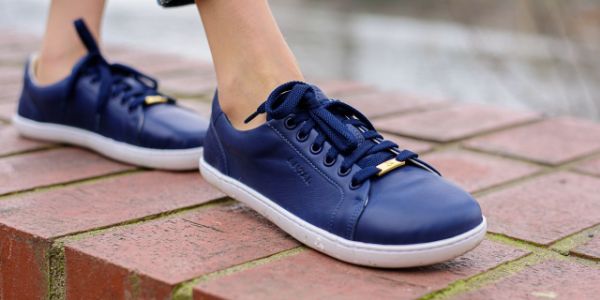
Spring and summer place different demands on footwear: wet pavements and mud matter one day, heat, long walks or hot surfaces the next. The barefoot label alone does not show whether a pair suits rain, hiking or hot weather. Assess the fit, grip, material, protection and planned activity.
In spring, grip and suitable protection matter
In changeable weather, check the tread, secure heel hold and fastening. Waterproofing treatment may slow moisture penetration in some materials, but it does not make every shoe waterproof. After rain, remove a detachable insole and dry the shoe at room temperature away from radiators and direct heat.
What to check before a spring route
- The outsole should provide grip suitable for wet or unpaved ground.
- The heel should not slip, and laces or straps should hold the foot securely.
- Choose the material and care method for the rain, mud and required drying time.
- Test a new pair on a short familiar walk before using it on a longer route.
In summer, look for ventilation, room and protection
Feet may swell slightly during a warm day. Try shoes with the socks you will actually wear and leave toe room without allowing the whole foot to slide. A sandal should hold the heel and should not make the toes grip the sole. On hot asphalt, sharp stones or all-day walks, choose protection for the surface rather than the lowest possible weight.
A summer check before putting shoes on
- A breathable upper and suitable socks help manage moisture but cannot eliminate sweating.
- Let footwear dry after use and rotate pairs if your feet sweat heavily.
- City, beach, festival and mountain paths may require different soles and levels of coverage.
- Stop if you develop a blister, wound, pain or worse stability and address the problem.
For light closed styles, browse ANTAL barefoot; for dry warm weather, compare ANTAL barefoot sandals as well.
There is no single universal pair
Oxford Health recommends choosing footwear for the shape of the foot and secure fastening. Berkshire Healthcare's summer guidance stresses correct sizing, grip, protection and suitability for the ground; RDaSH advises rotating and drying shoes when feet sweat. A practical choice therefore depends on weather, route and individual comfort, not a promise that one material or a thin sole will suit every situation.
Sources: Berkshire Healthcare NHS; Oxford Health NHS; RDaSH NHS.