
Minimalist shoes for older adults: fit and a safe transition
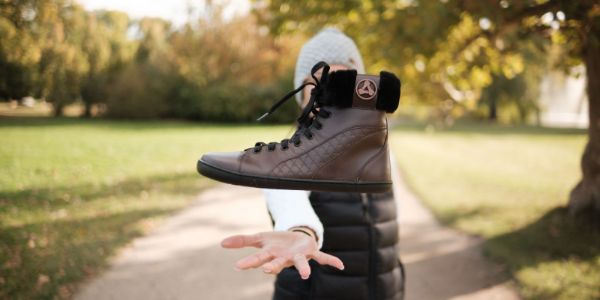
Minimalist shoes can be a comfortable option for some older adults when the individual pair fits well and suits their balance, foot sensation, strength and walking surface. Age alone is neither a reason to recommend nor rule out minimalist footwear. A thin flexible sole, zero drop or wide toe box does not guarantee better stability, pain relief or fall prevention.
Safety matters more than the minimalist label
Assess the whole shoe: toe room, heel hold, secure fastening, outsole grip and stability when turning or standing up. CDC advises older adults to wear properly fitting footwear indoors and outdoors. A wide forefoot may reduce pressure on the toes, but an overly loose heel or slippery sole can increase the chance of tripping.
What balance research shows
A 2024 scoping review of 56 studies found wide variation in methods and uncertainty about which combination of features works best. Secure fastening, a textured insole, a moderately firm midsole or a higher collar may affect balance under some conditions, but a minimalist sole is not a universal solution. A result in a balance test is also not the same as proven fall prevention in daily life.
Check health factors before trying them
- If you have reduced sensation, diabetes, wounds or foot deformity, consult a qualified clinician first.
- Do not stop using or alter a prescribed orthosis, insole or aid on your own.
- If you have fallen, feel dizzy or walk unsteadily, address your overall fall risk rather than footwear alone.
- Try a new pair in the afternoon, when feet may be more swollen.
NIDDK advises people with diabetes not to walk barefoot, even indoors, and to check their feet every day because reduced sensation can hide an injury.
How to test the change gradually
- Start with a few minutes on a familiar level surface with support nearby.
- Do not change the shoes, route length, pace and surface at the same time.
- After wearing them, check the skin, pressure marks, swelling and how your feet feel the next day.
- Stop if you develop pain, a blister, a wound, new limping or worse stability, and seek help according to severity.
For a general comparison, browse ANTAL barefoot sneakers. Our guide to a gradual transition to barefoot shoes provides a more detailed framework.
A practical fit test
Try the shoe with the socks you normally wear. The heel should not slip, the toes should not touch the front, and you should be able to fasten the shoe without unsafe bending. Walk, turn, stop and sit down. What matters is stable and comfortable movement for the individual person, not the category name.
Sources: CDC STEADI – feet and footwear; review of footwear and balance in older adults; NIDDK foot safety.