
How to get used to barefoot shoes: a gradual and safe transition
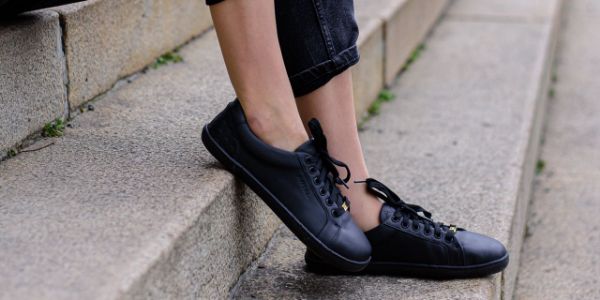
There is no single timetable for changing to barefoot shoes. Your previous footwear, usual activity, health and the difference between the old and new pair all matter. Mild unfamiliar fatigue can follow a change in load, but pain is not required proof that the feet are “getting stronger”, and it should not be walked through.
What may change when you change shoes?
A wider toe box, more flexible sole and smaller heel-to-forefoot height difference can change how walking feels and where load is experienced. This does not guarantee better posture or relief for the knees or back. You also do not need to force a forefoot strike. Walk naturally and calmly without imposing a particular technique.
Much of the transition research concerns runners. A systematic review found no single generally valid schedule, and the programmes studied differed substantially. Running guidance cannot simply be transferred to everyday walking.
How to begin without a fixed calendar
- Start with a short everyday task: try the pair at home or on a short familiar route, not for the first time on an all-day trip or demanding workout.
- Check comfort: after taking the shoes off, look for redness, rubbing, a blister, pain or unusual fatigue.
- Increase gradually: add time or distance only when the previous exposure caused no problem during use or afterwards.
- Alternate with your previous shoes: you do not need to discard every other pair in one day. Assess the requirements of sport separately.
There is no compulsory first hour, first week or deadline by which everyone must adapt. Reduce the load again after a long break, illness or a major change in activity.
Fatigue, blisters or pain: what should you do?
- Mild fatigue: stop for the day and allow recovery. The next trial does not have to be longer.
- Rubbing or a blister: check length, width, toe-box shape, socks and fastening. Painful friction is not an adaptation goal.
- Persistent or worsening pain: stop using the shoes and seek professional advice. For heel pain, the NHS advises reducing activities that make it worse.
- Urgent signs: after an injury, seek help for severe pain, inability to walk, marked swelling or an unusual foot shape.
Burning, tingling or loss of sensation is not ordinary muscle soreness. Do not mask it with harder massage or continued walking.
Fit and the individual model matter as much as the category name
Your toes need room without pressure, the heel should not slip noticeably and the fastening should hold without pressing on the instep. The required allowance depends on the model, foot shape, socks and purpose; do not add it twice to the product dimensions. A thin sole also does not provide the same protection on every surface.
For everyday wear, you can explore ANTAL barefoot sneakers. Compare the dimensions and properties of the particular model and try it with the socks you plan to wear.
When is an individual plan needed?
After injury or surgery, with persistent pain, a marked deformity, balance problems or a prescribed orthotic device, follow individual professional advice. Do not change a prescribed insole or its wearing schedule merely because you are trying barefoot shoes.
With diabetes or reduced sensation, skin protection and regular foot checks are essential. NIDDK recommends not walking barefoot or in socks alone, checking inside shoes and wearing new shoes for only a few hours at first. Agree the suitability of a model with your care team.
If you want to add movement alongside the footwear change, begin safely with our foot exercises. Neither exercise nor footwear replaces assessment of persistent symptoms.
Sources: systematic review of transitioning to minimal footwear; NHS — heel pain; NIDDK — diabetes and foot protection.