
Barefoot shoes during pregnancy: comfort, balance and safe choice
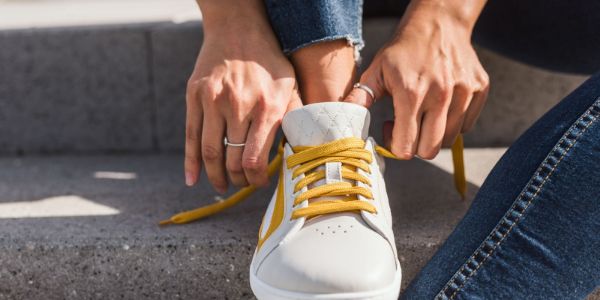
Pregnancy can change foot size and shape, cause swelling and affect balance. Barefoot shoes cannot be universally recommended or rejected for every expectant mother. Comfort, stability, the walking surface, health and previous footwear all matter.
What can change during pregnancy?
Gradual swelling of the feet and ankles is common, especially later in the day and pregnancy. A longitudinal study of 49 women also found average reductions in arch height and rigidity and a small increase in foot length between the first trimester and postpartum. This was observational evidence, not proof that any footwear prevents these changes.
Hormones may make joints more mobile, while a shifting centre of gravity can affect balance. A thin or flexible sole does not guarantee stability.
When can a wider shoe feel comfortable?
A wider toe box may reduce pressure on the toes when the model actually fits. Shoes do not treat swelling, correct posture or prevent falls. The heel should not slip noticeably, the fastening should not press on the instep, and the outsole needs suitable grip for the intended surface.
- Try shoes when your feet tend to be larger.
- Check toe room, heel hold, fastening and socks.
- Choose secure footing and good traction on smooth or wet surfaces.
- Measure again if your foot size changes during pregnancy.
You can browse ANTAL barefoot sneakers and compare each model's measurements.
How to trial a different type of shoe safely
If barefoot footwear is a substantial change, begin briefly on a familiar, level surface. Alternate the new pair with comfortable shoes you already know. Do not make the first wear an all-day trip or a slippery, uneven route.
- Afterwards, check for pressure, rubbing, blisters and pain.
- Increase time only when symptoms are absent during and after wear.
- Do not walk through pain, numbness or unsteadiness.
- Seek individual advice for balance problems or after an injury.
For a fuller plan, read how to get used to barefoot shoes.
When swelling needs prompt assessment
A sudden increase in swelling of the face, hands or feet can be a sign of pre-eclampsia, especially with a severe headache, vision problems, pain below the ribs or feeling very unwell. Contact your maternity unit promptly. Seek help as well for pain or swelling in one calf, chest pain, shortness of breath, bleeding, leaking fluid or regular painful contractions.
Use comfort and individual advice as your guide
With a high-risk pregnancy, prescribed support, persistent pain, marked swelling or altered sensation, follow the advice of your maternity or clinical team. Comfortable footwear can make daily life easier, but it does not replace assessment or treatment.
Sources: ACOG — exercise during pregnancy; NHS — swelling in pregnancy; study of pregnancy-related foot changes.