
Sustainable fashion and minimalist shoes: materials, durability and care
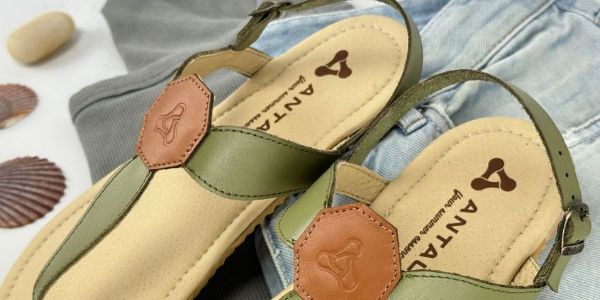
Materials affect comfort, care and a shoe’s environmental footprint, but labels such as natural, recycled or vegan do not prove sustainability on their own. The full life cycle matters: raw-material sourcing, processing, manufacturing, transport, use, repair and end of life. Minimalist construction mainly describes the shape and function of footwear; it does not automatically establish environmental or health benefits.
Natural does not automatically mean sustainable
Leather, wool, cotton, hemp, rubber and cork are different materials with different impacts. Origin, farming or forestry, water and energy use, dyeing, tanning, adhesives and transport all matter. A synthetic or recycled component can also offer a useful function or longer service in a particular design. A fair comparison therefore cannot select a winner from one label alone.
What common materials mean in practice
- Leather can be durable and repairable, but ask about its origin and tanning process.
- Wool can provide warmth and moisture management; skin sensitivity and care needs vary.
- Cotton and hemp can feel breathable, yet their footprint depends on cultivation, processing and useful life.
- Rubber, cork and recycled blends differ in grip, abrasion resistance and the recyclability of the finished shoe.
Look for evidence instead of broad slogans
The European Commission’s apparel and footwear PEFCR assesses impacts from raw materials through end of life without automatically favouring one fibre. The European Environment Agency highlights durability, repairability, reuse and simpler material combinations. The EU Ecolabel for footwear also uses specific criteria covering raw materials, chemicals, manufacturing and durability. European Commission PEFCR; European Environment Agency; EU Ecolabel footwear criteria.
Choose footwear that can stay in use longer
- Check the exact composition of the upper, lining, insole and outsole.
- Look for a specific origin, certification or measurable criterion instead of words such as eco or natural.
- Prioritise the right size, enough toe room and a model suited to the intended activity.
- Check cleaning instructions, replaceable insoles or laces and whether repair is realistically available.
In the ANTAL range, you can compare barefoot sneakers by material, season and use. You can also read about ANTAL and review the full material specification on each product page. Keeping a well-fitting pair in use for longer is often a more practical goal than buying another shoe because of a broad green claim. ANTAL barefoot · ANTAL.
A practical checklist before buying
No material guarantees sweat-free feet, prevents irritation or makes footwear strengthen muscles or correct posture. Keep comfort and function separate from environmental claims. A shoe that fits, performs its intended job and can be cared for reasonably provides a better basis for long use and less waste.