
Flat feet: causes, symptoms and management options
Flat feet describe a low or absent longitudinal arch while standing. Many people have no pain or limitation and need no treatment. Symptoms, foot function and whether the change appeared suddenly matter more than the arch’s appearance alone.
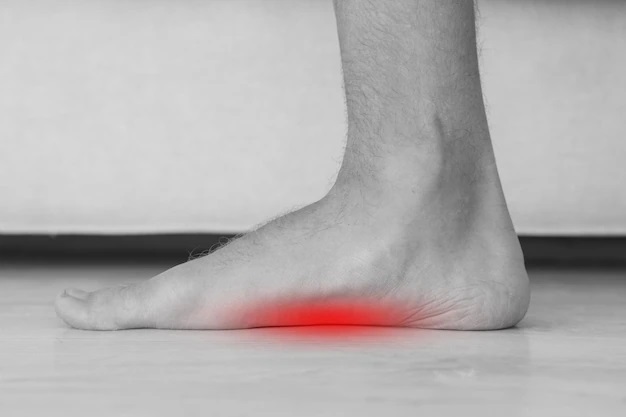
What flat feet mean
An arch may be flexible: it lowers while standing and reappears when the foot is unloaded or the person rises onto their toes. A rigid flat foot stays flat without weight bearing and deserves professional assessment. Causes vary with age and may involve development, ligaments, tendons, injury or another condition.
When to seek an assessment
- pain, stiffness, weakness or numbness
- repeated foot or ankle injuries
- difficulty walking or balancing
- a new adult change or only one affected foot
What may help with symptoms
For painful symptoms, a clinician may recommend activity changes, suitable footwear, targeted exercises or insoles. These may ease symptoms but do not necessarily change the shape of the arch. Surgery is considered only for selected severe conditions after specialist assessment.
How to choose footwear
- allow enough room for every toe
- keep the heel secure without rubbing
- match sole and stiffness to the activity
- check compatibility with any prescribed device
Barefoot footwear is neither a treatment nor a proven way to prevent flat feet. Some people may prefer its wide toe box and flexibility, while others need a different level of support. Comfort, symptoms and professional advice should guide the choice. Models are available among ANTAL barefoot sneakers; size chart.
Flat feet in children
A flatter-looking foot is often a normal part of early childhood development. Painless flexible flat feet usually need no treatment. Cochrane found no supporting evidence for expensive custom orthoses in healthy children with painless flexible flat feet; pain, stiffness or asymmetry still needs assessment.