
Bunions: how suitable footwear may reduce pressure
Hallux valgus, commonly called a bunion, changes the position of the big toe and first metatarsophalangeal joint. Some people notice only a bump; others experience pressure, rubbing, redness or pain. The size of the deformity alone does not predict symptom severity.
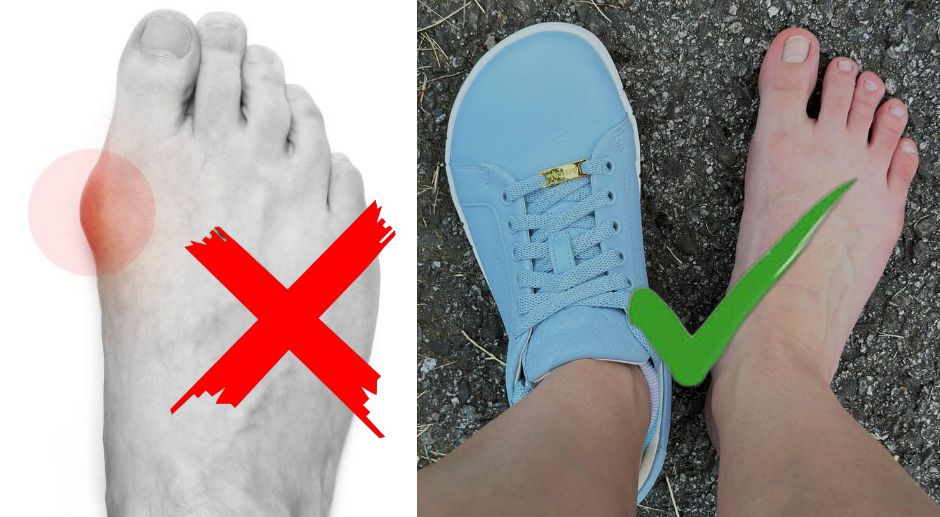
What hallux valgus is
Inherited traits, foot shape, ligaments and other factors may contribute. Narrow or pointed shoes may not be the sole cause, but they can increase pressure over the sensitive area and aggravate symptoms.
When to seek professional advice
- persistent pain despite footwear changes
- pain that limits normal activities
- marked swelling, redness or damaged skin
- diabetes, reduced sensation or poor circulation
What suitable footwear can do
A roomy, deep toe box may reduce pressure and rubbing. A soft upper and secure fastening help stop the foot sliding. Footwear does not correct the deformity and cannot guarantee that pain will disappear.
How to try shoes
- measure both feet while standing
- check space around the widest forefoot area
- walk and monitor pressure and heel movement
- check room and compatibility for any prescribed device
A barefoot model may suit some people because of its wide toe box, but it is not a bunion treatment. Choice depends on foot shape, symptoms and professional advice. See ANTAL barefoot sneakers; size chart.
Treatment and realistic expectations
Conservative measures mainly aim to reduce pressure and pain. Surgery is considered for significant persistent symptoms, not for appearance alone.