
Can everyday shoes harm your feet? How to spot a poor fit
Not every conventional shoe is harmful, and barefoot footwear is not automatically right for everyone. Size, width, shape, comfort, intended use and a person’s health all matter.
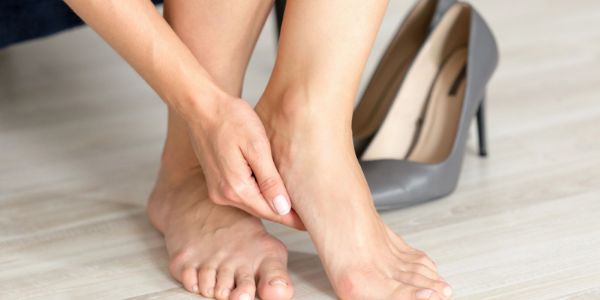
Shape and use matter more than labels
Problems are more likely when a shoe does not match the foot or activity. A shoe that is too small or narrow may create pressure and friction; one that is too loose can reduce stability and let the foot slide.
Signs that a shoe does not fit
- toes hit the front or overlap
- marks, blisters or redness remain after wear
- the heel lifts excessively or rubs
- pain starts during wear and persists after removal
Toe box, heel, sole and purpose
The toe box should leave room for the toes, the heel should hold without pressure, and the sole should suit the surface and activity. A higher heel shifts load forwards, while a narrow toe box may worsen pressure on a bunion. Flexibility alone does not guarantee a health benefit.
A quick fitting check
- measure both feet and fit the larger one
- try shoes with the socks you normally wear
- walk and check pressure, slipping and flex
- seek professional advice for persistent pain, numbness or wounds
For selection, see our ANTAL barefoot sneakers; size chart.
What the available evidence shows
A review links poorly fitting footwear with foot pain, corns and some toe deformities, although much of the evidence is observational. The NHS suggests wide, low-heeled shoes with a soft sole to reduce bunion pressure. Research on comfort also shows that it is individual and that the effects of single design features cannot be generalised.
PubMed – shoe fit; NHS – bunions; PubMed – footwear comfort.