
10,000 daily steps in barefoot shoes: building up gradually
Ten thousand steps a day can be a goal for many people, but it is not a requirement for everyone. If you want to walk them in barefoot shoes, gradual progression matters. A thinner...
We use cookies to make browsing our website comfortable and, through analysis, continuously improve its features, performance and usability. More information

Ten thousand steps a day can be a goal for many people, but it is not a requirement for everyone. If you want to walk them in barefoot shoes, gradual progression matters. A thinner...

Many people enjoy barefoot shoes on natural ground but feel unsure when walking on asphalt or concrete. Hard surfaces really do feel different: a thinner sole provides clearer feed...
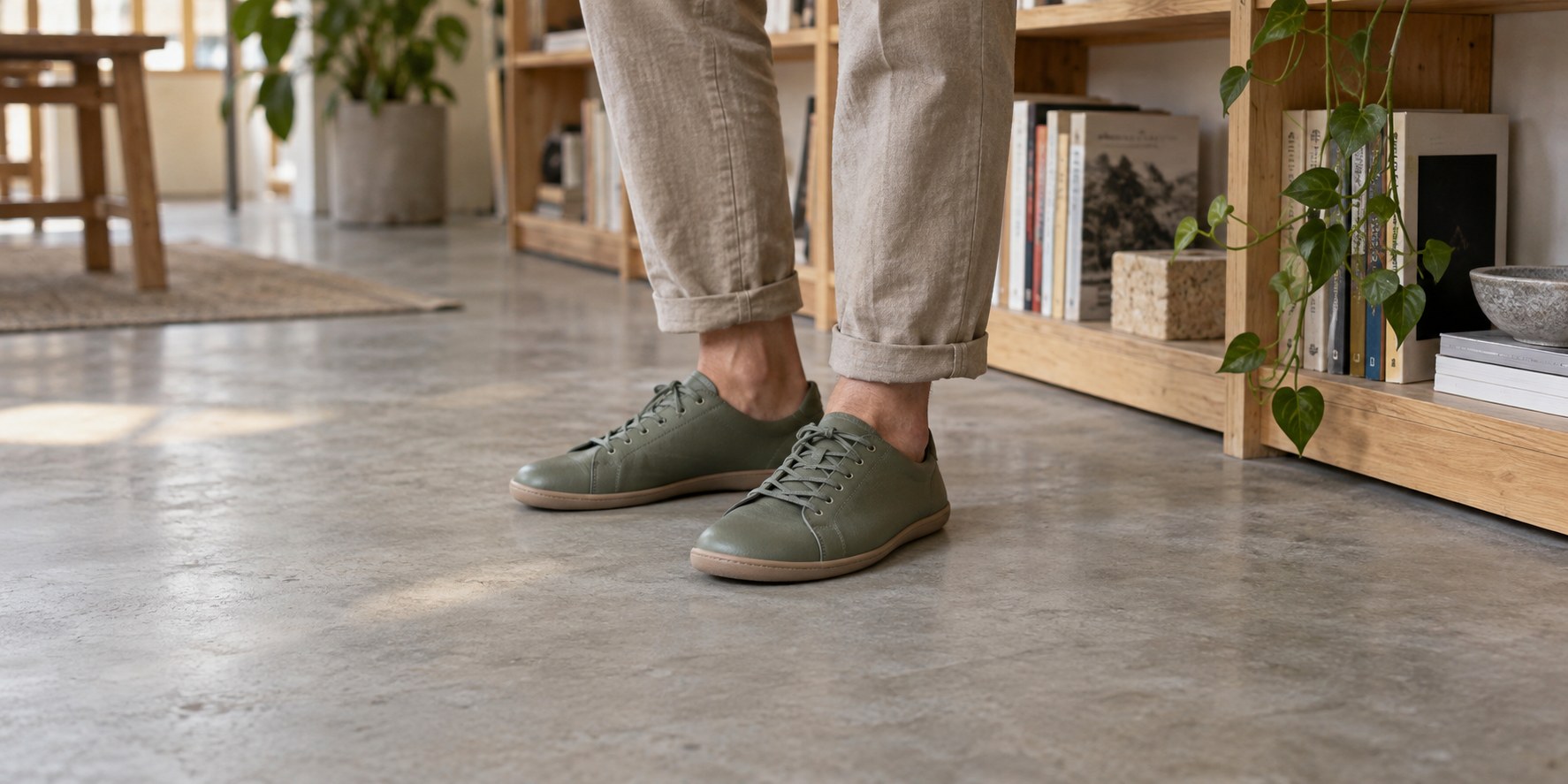
Maintaining balance matters greatly as we get older. Coordination between the feet, ankles and walking affects how confidently you move at home, outdoors or on stairs. This is an a...

You do not need an hour-long workout to give your feet more movement at the start of the day. A short, ten-minute morning routine may help ankle mobility, encourage the feet to wor...

The shape of the front of a shoe matters much more than it may first seem. When the toes lack space, it can cause discomfort and may also affect the natural walking pattern. A wide...

Choosing a barefoot shoe size can feel uncertain, especially if you have only worn conventional shoes before. Your usual size number is not enough on its own. What matters most is ...

Many people discover barefoot footwear in spring and summer, then return to their old, heavy shoes in autumn. Yet more natural footwear can also work in colder weather if you know ...

The difference between barefoot and conventional shoes is not simply that one has a thinner sole. They follow different approaches: barefoot footwear leaves more work to the foot, ...
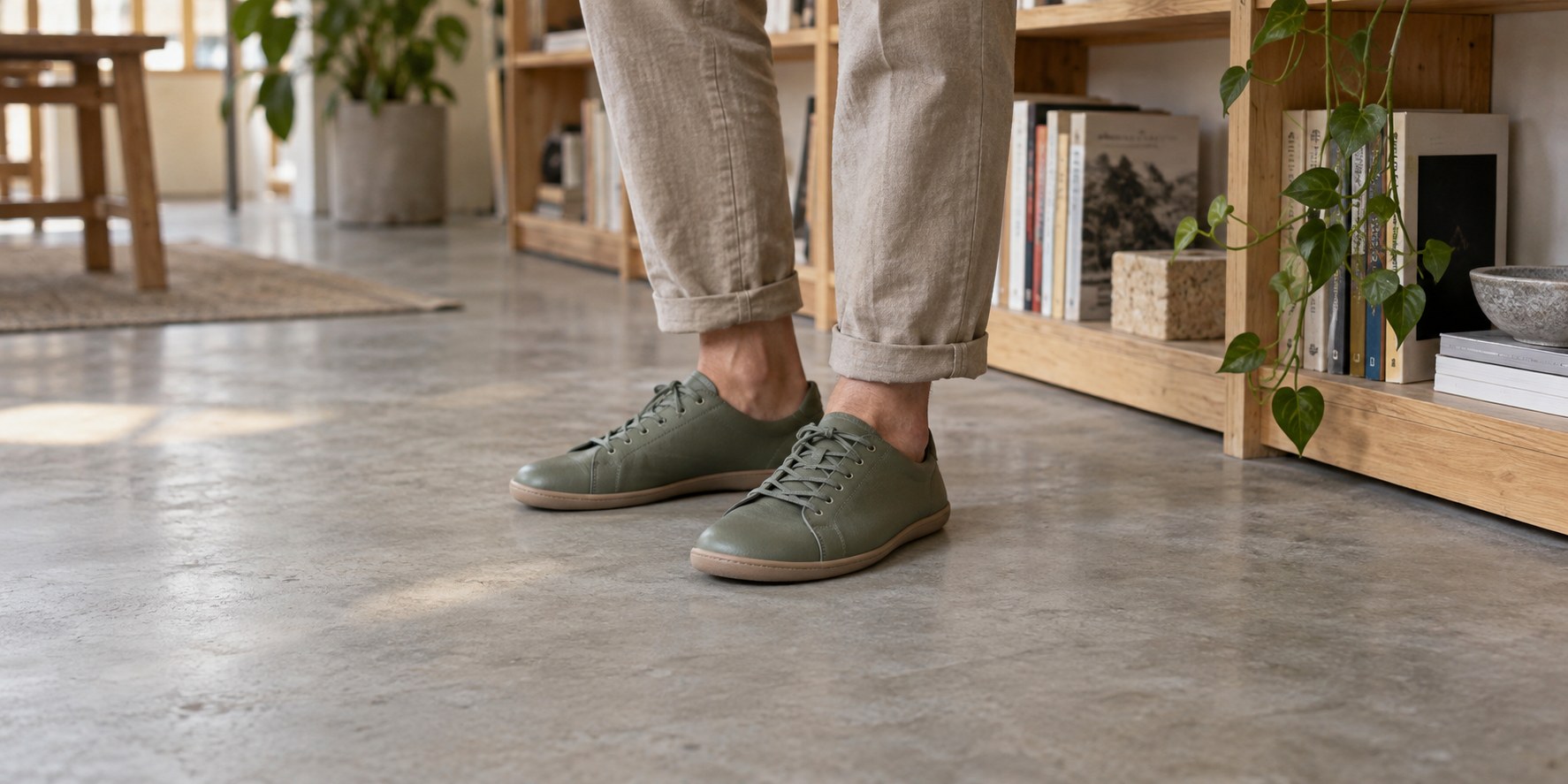
Many people become interested in barefoot shoes because they want more natural posture and a less forced walking pattern. One key difference of a flat sole without heel elevation i...

Sedentary work does not only put strain on the back and neck; it can also make the feet less active. If you sit for 8–10 hours a day, the ankles may stiffen more easily, the soles ...
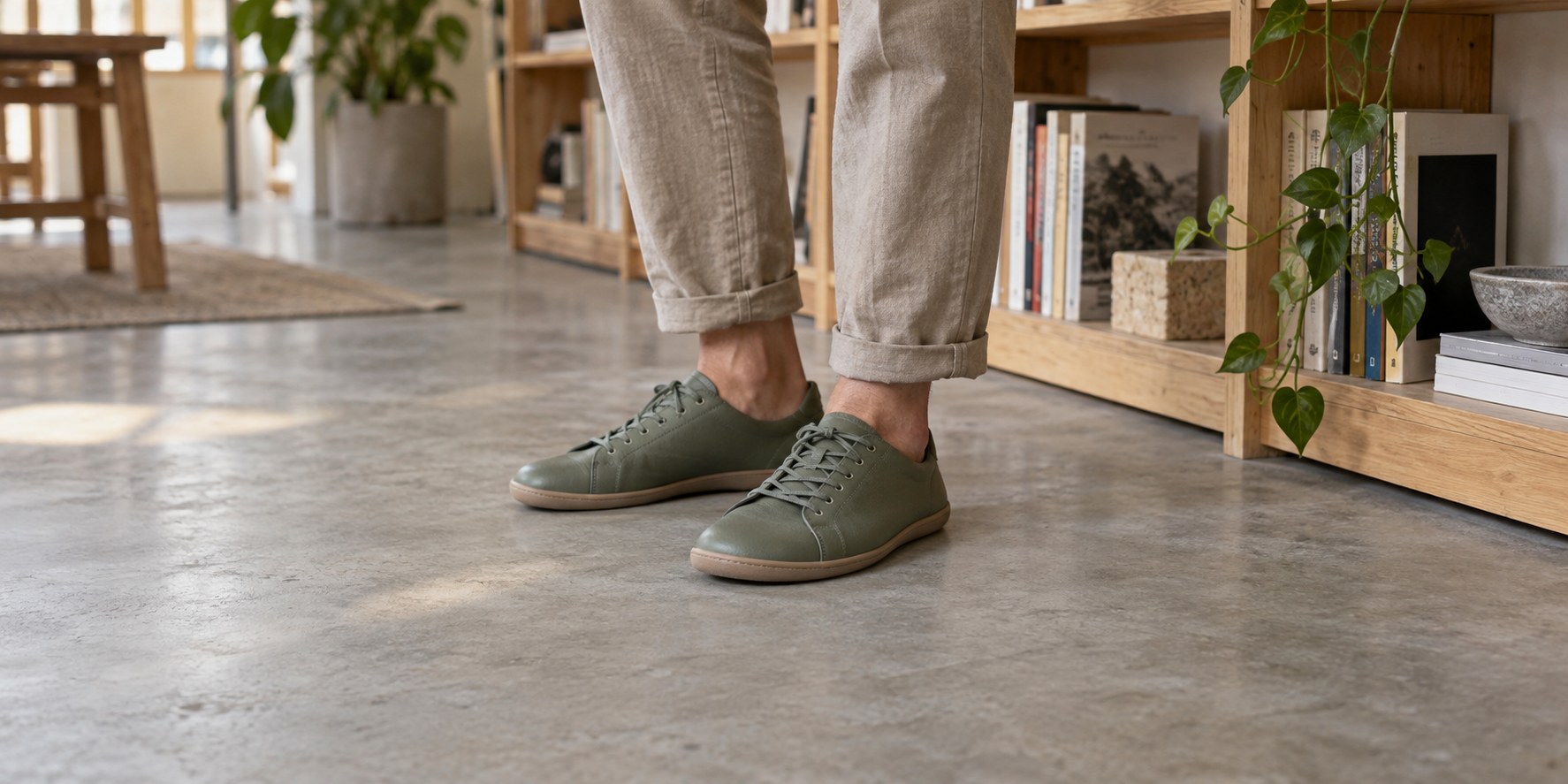
As a teacher, shop assistant, hairdresser, healthcare worker or warehouse employee, your feet literally work all day. What matters is not only how soft the shoe is, but also how mu...

Morning heel pain is familiar to many people: the first few steps feel uncomfortable, then it eases somewhat during the day. There can be several causes, so it is not worth automat...

If bunions or wide feet often leave you feeling that a shoe is squeezing your foot, the problem is not necessarily with the foot itself. Often, the shoe’s shape is the issue. A toe...

Even after 50, there is no timetable for changing to barefoot shoes that applies to everyone. Your previous footwear, usual activity, health and the difference between the old and ...

Switching to barefoot shoes and true barefoot walking can feel like a huge change. You may wonder why you should trade your well-worn comfy shoes for minimalist models. What do you...

We spend roughly one-third of every day at work, usually with our feet locked in shoes. Whether your job imposes a strict business dress code or a relaxed atmosphere, foot comfort ...

Walking feels so natural that we rarely think about it—we simply move forward. Yet good walking technique greatly affects how our feet and whole body feel, especially in barefoot s...

Warmer days are here, and many of us gladly put away heavy winter footwear. Spring and summer are the perfect seasons for barefoot shoes – after the long cold months, your feet can...

Ageing changes our feet and the entire musculoskeletal system. Many seniors suffer from pain in the feet, joints or spine and look for ways to find relief. One option that is gaini...

Sustainable fashion and healthy shoes Sustainable fashion is becoming ever more important—not only for clothing but for footwear too. Barefoot shoes, which promote a natural gait,...