
What does zero drop really mean in everyday life?
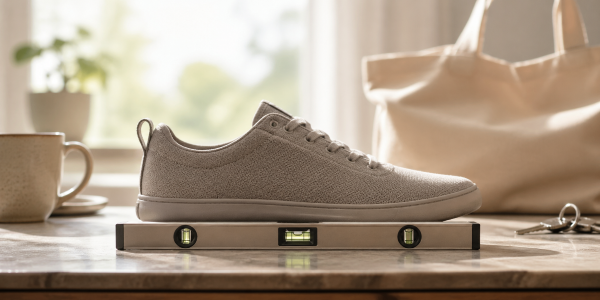
Zero drop is one of the terms most often mentioned in barefoot footwear. It may sound technical, but the idea is simple: the heel and forefoot of the shoe are at the same height, with no raised heel. This design can feel different when walking from most conventional shoes.
Why does this matter?
A raised heel can influence load distribution, how you meet the ground and how you perceive your body position. For many people, zero drop feels closer to being barefoot.
What might you notice in practice?
- a closer sense of the ground,
- a different walking rhythm,
- a different demand on your feet and ankles,
- an initially unfamiliar load on your calves.
Why can it take time to get used to?
Many people have spent years in shoes with a slightly raised heel or thicker sole, and are used to that design. Zero drop is a change that may take time to adjust to; it does not suit everyone.
What do people value in everyday use?
Some value the feeling that the shoe guides their movement less. In a thin-soled model the foot is closer to the ground, and they may notice their walking and body position more. Zero drop alone, however, does not define sole thickness or guarantee better posture.
What should you keep in mind?
Zero drop does not mean you need to wear these shoes all day straight away. Start gradually according to your comfort, and stop if it hurts.
For an everyday zero-drop model, explore the Barefoot trainers category.