
Barefoot hiking: is it suitable for mountain trails?
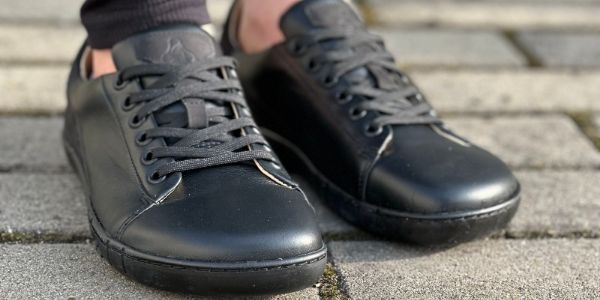
Hiking barefoot or in minimalist footwear can increase contact with the ground, but it does not automatically improve stability, posture or injury prevention. In the mountains, experience, terrain, weather, route length and a safe way back all matter.
Is barefoot suitable for every mountain hike?
No. A smooth forest path and rocky alpine terrain place different demands on the feet. A thin flexible sole increases ground feel but offers less protection from sharp stones, heat and cold. Fatigue, wet rock and a heavy pack can raise the demands further.
What research tells us about hiking footwear
A recent scoping review of footwear in hiking and trail running found only 16 eligible studies, most of them on trail running. Long-term effects, fatigue and individual differences remain evidence gaps. The findings do not show that barefoot footwear is universally safer or more dangerous for every hike.
Route and equipment come before a footwear label
- Check the forecast, distance, elevation gain and trail conditions.
- Choose footwear for the hardest section, not only the trailhead.
- Carry backup protective footwear, socks, a first-aid kit and enough water.
- Tell someone your route and expected return time.
The NPS advises hikers to know their limits, check the weather, stay on the trail and make a plan. You can compare ANTAL barefoot sneakers, but for technical ground assess grip, protection, hold and the actual conditions.
How to begin gradually
- Begin with a short familiar section on easy terrain.
- Increase time or difficulty only after a comfortable response during the walk and the next morning.
- Do not change footwear, route length, speed and pack weight at the same time.
- Return to a safer option if pain, instability or skin damage appears.
For a practical progression, see how to transition to barefoot shoes. You do not need to force a particular gait or forefoot landing.
Wounds, weather and reasons to turn back
Clean cuts or punctures and remove visible dirt; deep, contaminated or worsening wounds need professional assessment. CDC guidance bases tetanus vaccination on wound type and vaccination history, so one automatic ten-year rule does not cover every injury. Turn back for loss of sensation, severe pain, marked swelling, signs of hypothermia or heat illness. With diabetes or reduced sensation, discuss barefoot walking with a clinician.
Sources / Zdroje: NPS; CDC; review 2026.