
Barefoot running and minimalist shoes: myths, benefits and a safe start
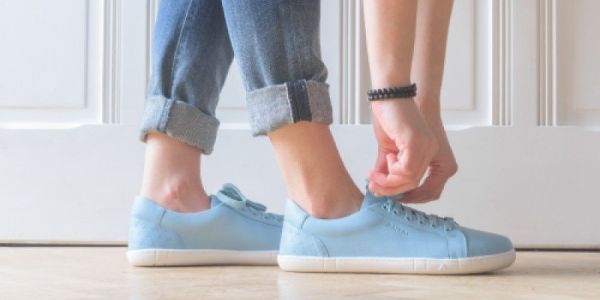
Running barefoot and running in minimalist shoes are not identical, although both change how the foot meets the ground. Neither automatically prevents injury, fixes every runner’s technique or treats knee, back or heel pain. Training dose, surface, previous experience and individual response all matter.
Three common myths about barefoot running
The idea that everyone automatically learns a “correct” foot strike when barefoot is too simple. Runners adapt differently, and forcing a forefoot landing can shift load to the calf, Achilles tendon and forefoot. A thinner sole also cannot be promised to resolve chronic pain or lower injury rates.
What research shows and what remains uncertain
A 2014 systematic review found insufficient high-quality evidence for firm conclusions about the risks or benefits of barefoot and minimalist running. A later review of acute interventions found higher tibial loading with barefoot running and unfamiliar minimalist shoes. Transition programmes varied widely, so there is no universal timetable.
Check footwear, surface and training load first
- Choose a flat familiar route without glass or sharp debris.
- Check toe room, heel hold and comfortable fastening.
- Do not change shoes, technique, pace, surface and weekly volume at the same time.
- Account for current training, previous injuries and prescribed devices.
The particular model must fit the foot and activity. You can compare ANTAL barefoot sneakers, but the barefoot label alone does not make a shoe suitable for running.
How to trial the change gradually
- Begin with a short segment within an easy session.
- Do not extend the next trial if pain or marked fatigue remains the next morning.
- Increase one variable at a time and allow recovery between demanding trials.
- After a long break or illness, return to a lower load.
For a fuller framework, read how to transition to barefoot shoes. An unfamiliar sensation is not a reason to run through pain, and soreness is not required proof that the change is working.
When to stop and seek assessment
Stop for sharp or worsening pain, swelling, limping, numbness, pain at rest or inability to bear weight normally. Seek assessment after injury or for persistent symptoms. With diabetes, reduced sensation, recent surgery or a prescribed orthosis, discuss the plan with a clinician first.
Sources / Zdroje: review 2014; tibial load review; transition review.