
Barefoot shoe care: cleaning, waterproofing and maintenance
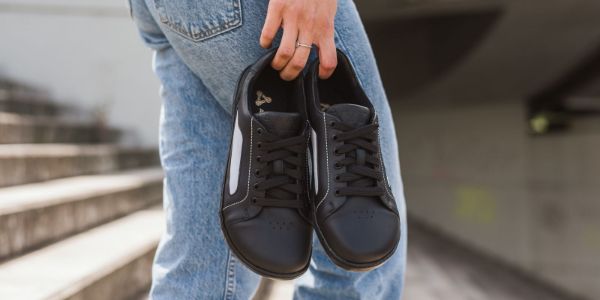
The lifespan of barefoot shoes depends on more than price or a material label. Regular dirt removal, slow drying and a treatment suited to the upper all matter. Always read the care instructions for the particular model and test a new product on a discreet area first.
Identify the material and level of dirt first
Smooth leather, suede or nubuck and textile uppers need different methods. Remove laces and removable insoles, let dry mud loosen, and brush away surface dirt with a soft brush. Strong chemicals, bleach and general degreasers may change colour, damage the finish or weaken bonded seams.
Cleaning leather, nubuck and textiles
- Wipe smooth leather with a slightly damp cloth and remove remaining moisture promptly.
- Start with a dry brush intended for suede or nubuck when cleaning a brushed leather surface.
- Spot-clean textile uppers with lukewarm water and a small amount of mild cleaner.
- Do not soak or machine-wash shoes unless their specific care instructions clearly allow it.
The Canadian Conservation Institute recommends gentle removal of surface dust from leather and warns that unsuitable cleaners or excessive dressing may cause harmful long-term effects.
Dry without a radiator or direct sunlight
Let wet footwear dry at room temperature with air circulation. Remove insoles, loosen the laces and fill the inside with clean absorbent paper, replacing it when damp. Radiators, tumble dryers, fire and strong sunlight may dry out leather, distort the upper or weaken adhesives. If mould appears, isolate the shoes from other items and deal with it only after thorough air drying.
Waterproofing: check the result, not the promise
- Choose a spray, cream or wax only when it matches the material and shoe-care instructions.
- Apply a thin, even layer to a clean, dry surface in a well-ventilated area.
- Allow the treatment to dry fully before wearing the shoes.
- Renew treatment according to use and how water behaves on the surface rather than a rigid calendar.
A treatment may improve water and dirt repellence, but it does not turn ordinary footwear into a waterproof product. When choosing a cleaner, check directions, warnings and ingredients; the EPA Safer Choice programme labels products whose ingredients meet its safety criteria.
Storage and routine checks
Store dry, clean shoes in a ventilated place away from direct heat and damp. Periodically check the outsole, seams, bonded edges, laces and insoles. Repair small damage before it spreads. Browse ANTAL barefoot sneakers, and use our article on common barefoot-shoe myths when assessing care claims.
Sources: Canadian Conservation Institute – care of leather; Canadian Conservation Institute – removing mould from leather; US EPA – Safer Choice.