
Barefoot shoes for children: choosing the first pair
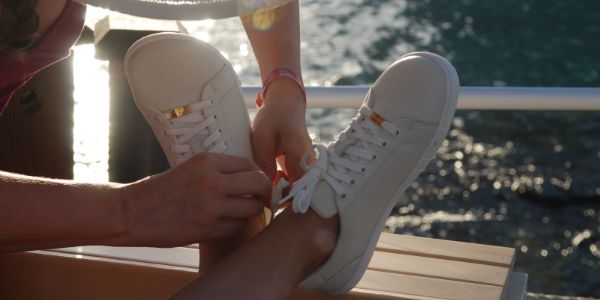
First shoes mainly protect feet from cold, sharp surfaces and dirt. A “barefoot” label alone does not guarantee the right size or make a shoe suitable for every child. The fit of the particular model, the activity, the surface and any health advice all matter.
When a child needs first shoes
A baby who is not yet walking independently outdoors generally does not need structured footwear. In a safe, warm and clean place, bare feet or non-slip socks may be suitable. Shoes become practical for independent outdoor walking and wherever protection is needed. Do not buy them solely by age or to “teach” a child to walk.
What matters in children's footwear
NHS guidance recommends shoes with suitable length and width, room for the toes, secure fastening and an appropriate sole. Flexibility may allow comfortable movement, but extreme softness is not a goal by itself. Check that the child does not limp, catch an overlong toe or develop pressure marks.
Checking size and fit
- Measure both feet while the child is standing and use the larger foot.
- Check length, width and space above the toes against the model's internal dimensions.
- The fastening should hold the heel without pressing on the instep or allowing marked slipping.
- Let the child walk; observe comfort, stability, rubbing and the skin after the shoes come off.
Measure growing feet regularly and do not assume a child will always report pressure. Use our guide on measuring a child's feet at home.
Barefoot, bare feet and different activities
Going barefoot is an option on a safe surface, not a treatment or a requirement for healthy development. A barefoot model may suit a child without difficulties if it fits and matches the setting. Wet weather, cold, sport, nursery and rough ground may call for different soles, protection and fastenings. For indoor use, compare ANTAL children's slippers with the child's measurements and needs.
When to seek professional advice
- For recurring pain, pressure marks, wounds, an unexplained limp or refusal to walk.
- If the foot is stiff, markedly asymmetrical or the child's walking is getting worse.
- If the child uses prescribed insoles, an orthosis or specialist footwear.
- Urgently after injury if the child cannot bear weight, has a deformity, severe pain, or a fever and feels generally unwell.
Painless flexible flat feet are common in children, and the appearance of the arch alone does not mean rigid orthopaedic shoes are needed. Treatment or an aid should be based on assessment. Recheck shoes regularly and replace them when they press, slip markedly or become worn.
Sources: NHS – children's feet and choosing shoes; NHS Wales – children's footwear; AAOS – flexible flatfoot in children.