
How to choose the right barefoot shoe size
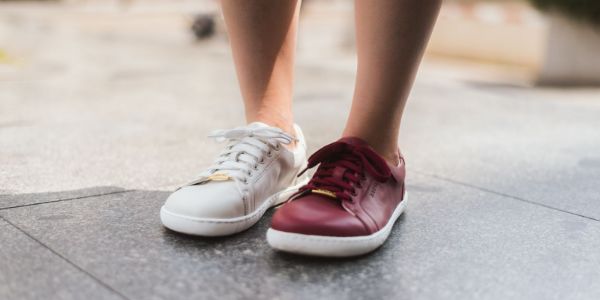
When choosing barefoot shoes, the number on the box is not enough. The two feet may differ, and models carrying the same size may have different internal length, width and volume. Measure both feet and test the particular pair.
Why your usual size is not enough
A shoe should leave room for the toes while holding the heel without making the foot slide or the toes grip the sole. A model that is too short or narrow may press and rub. One that is too large may reduce confidence, slip at the heel or catch the ground at the toe. A barefoot label does not guarantee a correct fit.
How to measure both feet
- Measure while standing on a firm level floor with weight distributed between both feet.
- Place the heel gently against a wall, mark vertically in front of the longest toe and measure the distance in millimetres.
- Measure both feet and base the choice on the longer one; record the width at the widest part as well.
- Measure with the socks you plan to wear and repeat the measurement if your feet or swelling change.
What toe allowance means
The allowance is the difference between foot length and the usable internal length of the shoe. It should provide room for toe movement and the foot lengthening during a step, not let the whole foot slide. One universal number does not suit everyone: toe-box shape, shoe volume, fastening, socks, activity and model-specific guidance all matter.
Check the fit after putting shoes on
- Put on both shoes and fasten them so that they hold the heel without pressing the instep.
- The toes should not hit the front or sides and should be able to move naturally.
- Walk, turn and stop; check for heel slip, pressure, rubbing and the toe catching the ground.
- If pain, numbness, pressure marks, a wound or instability develops, stop wearing the shoes and seek advice according to severity.
Always compare your measurements with the information for the specific model. For a general fitting trial, browse ANTAL barefoot sneakers. For growing feet, use our separate guide to choosing barefoot shoes for children.
When professional fitting can help
Professional assessment is appropriate for a marked difference between feet, deformity, recurring pressure marks, pain, reduced sensation or a prescribed insole or orthosis. Use a prescribed device when trying on shoes and do not alter it on your own. A practical fit check matters more than forcing one allowance number in every situation.
Sources: Bradford District Care NHS – footwear advice; Dorset NHS – measuring and fitting shoes; Oxford Health NHS – choosing footwear.