
Are barefoot shoes suitable for everyone?
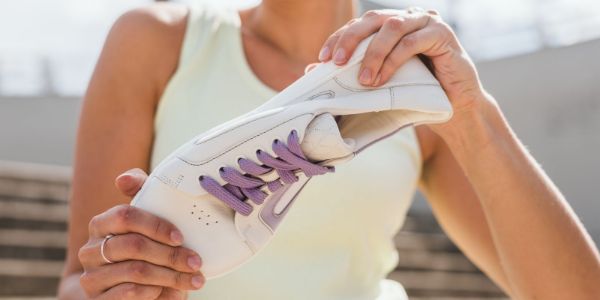
Barefoot shoes can be comfortable for some people, but a thin sole, zero drop or wide toe box does not by itself guarantee better health, posture or walking. The fit of the particular pair, health, surface, activity and gradual adaptation all matter.
Who may find them suitable
An adult without pain, wounds or reduced sensation may try this footwear if the pair has suitable length and width, holds the heel securely and matches the activity. Initial trials should be short and on a familiar level surface. Comfort during wear and the response the next day matter more than the category name.
When extra caution is needed
- With diabetes, reduced sensation, an open wound or poor circulation, seek professional advice first.
- After injury or surgery, or with persistent pain, do not change a rehabilitation plan or footwear without advice.
- Do not stop using a prescribed insole, orthosis or stabilising shoe on your own.
- For repeated falls, dizziness or unsteadiness, address the overall fall risk rather than the sole alone.
What barefoot shoes cannot promise
Research does not show that one footwear type prevents every injury or resolves pain for everyone. A wider toe box may reduce pressure only when its shape and volume actually fit the foot. A very loose heel, unsuitable grip or an abrupt change may instead worsen comfort and stability.
How to try a new pair
- Start with a short wearing period and do not change footwear, route length, pace and surface at the same time.
- Check the toes, heel, instep, pressure areas and condition of the outsole.
- For wet ground, work, sport or rough terrain, choose protection and grip for the conditions.
- Stop and address pain, a blister, a wound, numbness, new limping or worse stability.
For a calm comparison, browse ANTAL barefoot sneakers. If you are new to thinner shoes, use our guide to a gradual barefoot transition.
The person and situation decide
Suitable footwear may differ by day and activity. City streets, hiking, work, winter and sport create different demands for grip, protection and fastening. Barefoot footwear is therefore neither a requirement nor a treatment; it is one option to assess by function, comfort and individual advice.
Sources: Bradford District Care NHS – footwear advice; PubMed – review of footwear and balance; NIDDK – protecting feet with diabetes.