
What are barefoot shoes and how are they different?
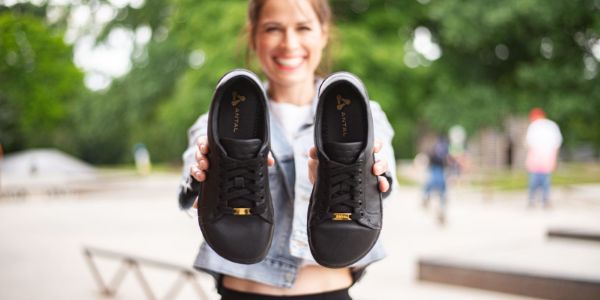
Barefoot or minimalist footwear aims to reduce the amount of material between the foot and the ground. The term is not a precisely protected definition or a health guarantee. Models differ in shape, sole thickness, grip, volume and fastening.
Typical features of barefoot footwear
- The toe box is often wider and aims to match the space required by the individual foot.
- The height difference between heel and forefoot is small or zero.
- The sole is usually thinner and more flexible than in many conventional shoes.
- The construction often uses less reinforcement, but protection varies substantially between models.
How walking may feel different
A thinner, more flexible sole may provide more information about the surface and change how a person walks. A systematic review describes differences in joint movement, forces and muscle activity between barefoot and shod walking, but it does not define one correct style for everyone. A new sensation is therefore not automatically better or worse.
What a wide toe box and zero drop do not guarantee
A wide toe box helps only when it matches the shape and volume of the foot. Zero drop alone does not treat pain, correct posture or prevent injury. Consider the whole shoe: length, width, heel hold, fastening, grip, protection and suitability for the activity.
How to compare a particular model
- Check internal length, width and space above the toes against both feet.
- Try on both shoes with your usual socks and check pressure, heel slip and confidence while walking.
- Choose the outsole and grip for the city, work, sport, weather or terrain.
- Seek professional advice for persistent pain, reduced sensation, a wound or a prescribed device.
Compare different shapes among ANTAL barefoot sneakers. Before changing footwear, also read who may find barefoot shoes suitable.
Barefoot is a category, not a universal prescription
Not everyone needs the thinnest or most flexible sole. Protection from cold, sharp ground, slipping or workplace hazards may matter more than minimalist construction. A suitable pair fits securely, matches its purpose and does not cause problems.
Sources: Bradford District Care NHS – footwear advice; PubMed – barefoot and shod walking review; Oxford Health NHS – choosing footwear.