
Common myths about barefoot shoes and what evidence says
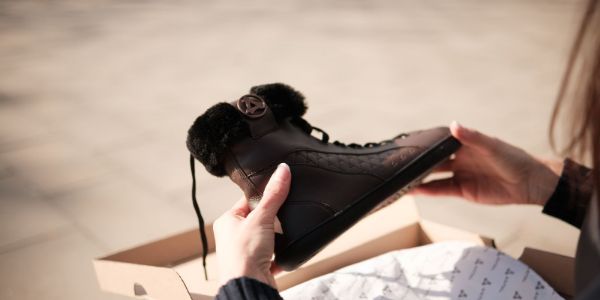
Barefoot shoes are often described in absolute terms: they supposedly always cause harm, or they cure almost every problem. Neither extreme reflects the evidence. The particular model, fit, surface, activity, health status and the way a change is introduced all matter.
Myths about pain, comfort and correct walking
A thin sole does not automatically cause pain, but it does not guarantee comfort either. New footwear may change loading, and a poor size may press or slip. There is also no single compulsory foot strike for everyone. Stop when sharp or increasing pain, a blister, a wound or limping develops; do not force a new stride pattern at any cost.
Myths about arches, muscles and treatment
A recent meta-analysis suggests that minimalist footwear used for several weeks may improve some measures of toe strength, but the certainty of evidence was low to very low. This does not show that barefoot shoes correct every arch, bunion, knee pain or back problem. Diagnosis and treatment belong with a qualified professional; footwear can be only one part of a plan.
Four claims that need context
- “Barefoot is always cheaper or more expensive”: material, production, use and care all affect price and lifespan.
- “Barefoot shoes are always cold”: insulation, socks, moisture, space and time outdoors all influence warmth.
- “A thin sole always slips”: grip depends on the compound, tread, wear and surface.
- “A wide toe box must look informal”: appearance depends on design, while workplace rules still come first.
Sport, hiking and low arches
A systematic review of barefoot and minimalist running found insufficient high-quality evidence for a definitive conclusion about overall risks and benefits. Running and mountain hiking also create different demands from everyday walking. With a low arch, symptoms and function matter more than appearance alone. People using orthoses, recovering after injury or living with reduced sensation need individual advice.
A practical test instead of a marketing promise
- Check length, width, heel hold and secure fastening on both feet.
- Choose the outsole for wet conditions, terrain, workplace hazards and planned activity.
- Test a new pair briefly and monitor the response during wear and the following day.
- Replace worn, slippery or poorly fitting footwear regardless of its category label.
Browse ANTAL barefoot sneakers for specific options. For a first pair, also use our guide on how to begin gradually with barefoot walking.
Bradford District Care NHS notes that shoes that are too small, too large, worn or slippery may contribute to pain and falls. The most reliable rule is therefore neither a slogan for nor against barefoot shoes, but a check of fit, purpose and the response of your own feet.
Sources: PubMed – foot strength and minimalist footwear review; PubMed – risks and benefits of barefoot or minimalist running; Bradford District Care NHS – footwear advice.