
Barefoot shoes at work: can you wear them in the office?
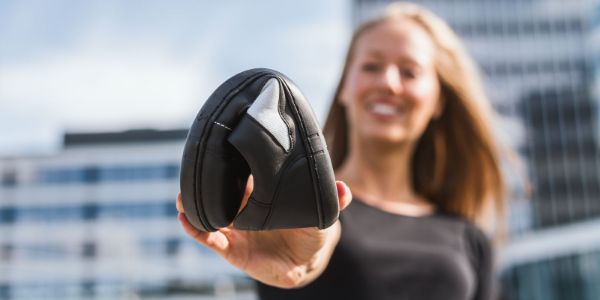
Barefoot shoes can be a comfortable office option when the specific pair fits well, follows workplace rules and suits the floors and activities of the day. The barefoot label alone does not guarantee comfort, a professional appearance or a health benefit. Workplace safety, fit and the wearer's actual needs come first.
Check workplace rules and hazards first
In a regular office, the dress code, cleanliness and grip on the floor may be the main considerations. In a warehouse, workshop, kitchen, healthcare setting or any job with falling objects, puncture risks, hot surfaces or electrical hazards, the employer may require certified protective footwear. A thin flexible sole cannot replace mandatory protection.
A check before the working day
- Read the internal dress code and protective-footwear requirements.
- Consider stairs, slippery floors, prolonged standing, travel around the site and your commute.
- Check that the shoe holds the heel, does not slip and does not press on the toes.
- Test a new pair first on a shorter, less demanding day.
All-day comfort depends on fit
Toes need adequate room, but the entire foot should not slide inside the shoe. The fastening should hold the heel without squeezing the instep. Choose the material for the temperature, perspiration and care demands. The NHS notes that shoes that are too small, too large, worn or slippery may contribute to pain or falls. Assess a minimalist model by how the particular pair fits, not by its category label.
Combine the transition with suitable movement
- Begin with a shorter wearing period and keep a familiar spare pair available.
- Do not increase time in new shoes, walking volume and standing time all at once.
- During desk work, add short comfortable movement breaks when the workplace allows.
- Change footwear and address the problem if pain, a blister, a wound, new limping or instability develops.
For a relaxed workplace, browse ANTAL barefoot sneakers. If you are new to thinner footwear, use our guide to a gradual transition to barefoot shoes.
Professional appearance should support function
A neutral colour, clean upper and simple shape are usually easier to combine with work clothes than a sporty or bold design. Appearance must not override safety requirements or poor fit. The CDC recommends short activity breaks during the working day. Comfortable shoes may make movement easier, but shoes alone do not improve productivity, posture or circulation. A sensible choice respects workplace rules, the surface and the response of your feet.
Sources: OSHA – foot protection; CDC – physical activity breaks for the workplace; Bradford District Care NHS – footwear advice.