
Barefoot shoes in winter: keeping feet warm and comfortable
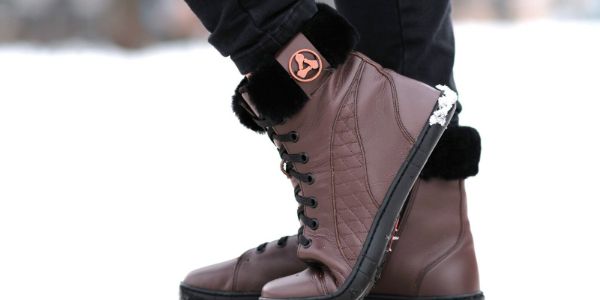
Barefoot shoes can be worn in winter when they match the weather, surface and your sensitivity to cold. Toe room, suitable socks, moisture protection and regular checks of thermal comfort all matter.
A winter shoe must fit with your socks
A shoe that is too tight compresses the toes and removes insulating air space. Try it with the socks you will actually wear. The heel should remain secure while the toes move without pressure from above or the sides.
Warmth comes from the whole system
- Choose socks that manage moisture and do not form folds.
- Thicker socks must not reduce the internal space until the shoe becomes tight.
- An insulating insole helps only if the foot still sits securely.
- Replace wet socks promptly because moisture accelerates heat loss.
Moisture, outsole and winter surfaces
Water resistance, thermal insulation and grip are separate properties. Check the forecast, snow depth and ice risk before leaving. Shorten your stride, slow down and avoid abrupt direction changes on slippery ground.
Watch for cold warning signs while walking
- Begin with a shorter route, especially in new footwear or a sharp temperature drop.
- Check your toes regularly; numbness, pain or unusual paleness are warning signs.
- Children, older adults and people with circulation problems need extra attention.
- If movement does not warm the feet, go indoors and change into dry footwear.
Explore ANTAL winter barefoot shoes. After walking on salted pavements, follow our guide to protecting leather shoes from road salt.
Dry shoes slowly after returning
Loosen laces or fastenings, remove a removable insole and dry the footwear at room temperature. A radiator or direct hot air may damage leather, adhesives and shape. The inside must also be dry before the next wear.
Sources: CDC/NIOSH – cold stress; Canadian Centre for Occupational Health and Safety – cold environments; NHS – keeping warm and well.