
How leather is cut and prepared for shoemaking
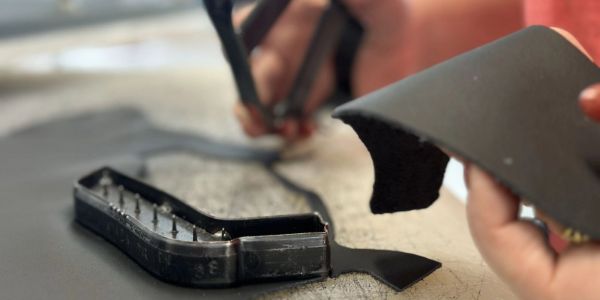
Before a shoe upper takes shape, every leather component is selected, laid out, cut and prepared. In a small workshop, the craftsperson must respect the material's direction and stretch, avoid unsuitable natural marks and use the hide efficiently.
Selecting leather for each component
Leather is not uniform across its entire area. The maker checks thickness, firmness, grain, flexibility and natural features. A toe component, heel area and tongue need different properties. Inspection before cutting helps keep a weak or unsuitable area out of a highly stressed part of the shoe.
Pattern layout and precise cutting
- Components are oriented for stretch direction and their future load.
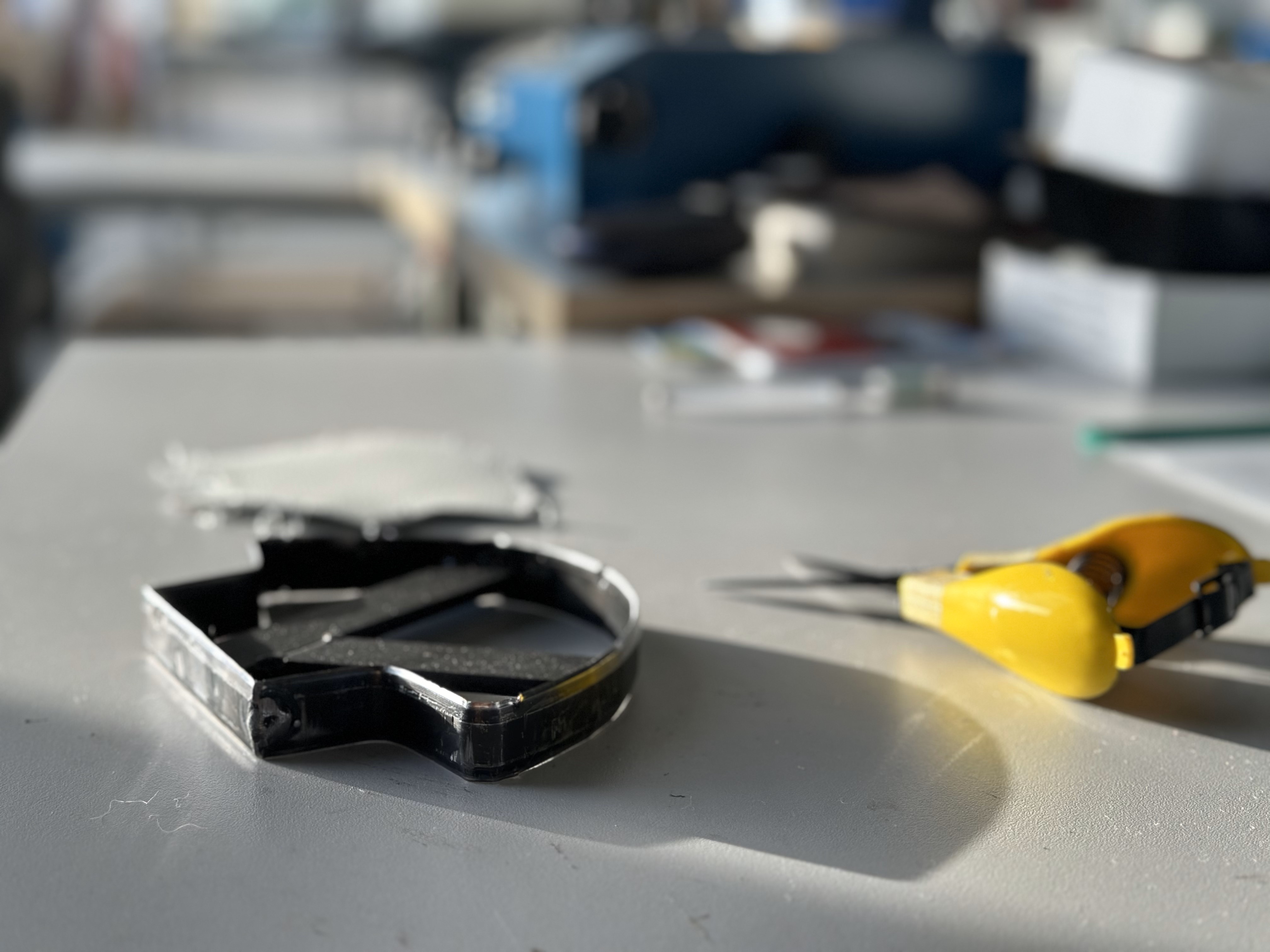
- Cutting dies are arranged to use the material efficiently.
- Paired pieces are assessed together for a harmonious appearance.
- Each cut shape is compared with the pattern and marked for the next step.
.jpg)
Edges, reinforcement and preparation for stitching
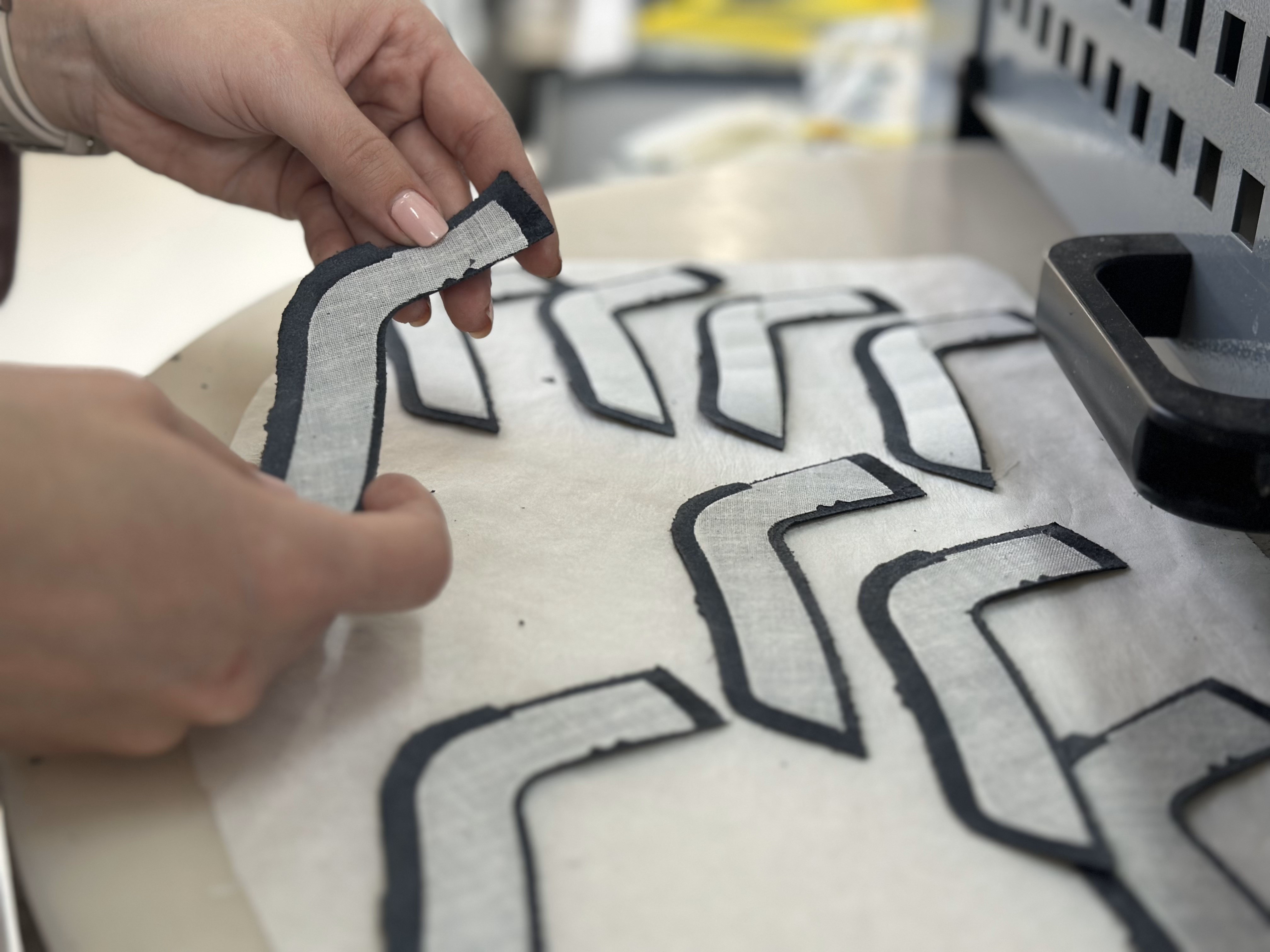
Work continues after cutting. Depending on the construction, edges are skived or levelled, components may be reinforced, and joining or stitch lines are marked. Accuracy here helps layers stay aligned and seams remain even during assembly.
Quality checks before the next operation
- The complete set for both the left and right shoe is checked.
- Surface, colour, thickness and placement of natural features are assessed.
- Marks, holes, skived edges and reinforcements are verified.
- An unsuitable component is rejected before it affects later operations.
See the result of this craft in the collection of ANTAL barefoot sneakers. For care after purchase, read our guide to cleaning, protecting and maintaining footwear.
Craft, material and responsible use
Natural variation in leather is not automatically a defect; many marks belong to the material's character. What matters is placing each component appropriately, checking it at every stage and using the available area carefully. This is how craft experience becomes a consistent production process.
Sources: European Commission JRC – tanning of hides and skins; Canadian Conservation Institute – leather properties and care; US National Park Service – leather materials and conservation.