
Barefoot shoes or orthotic insoles: what should guide your choice?
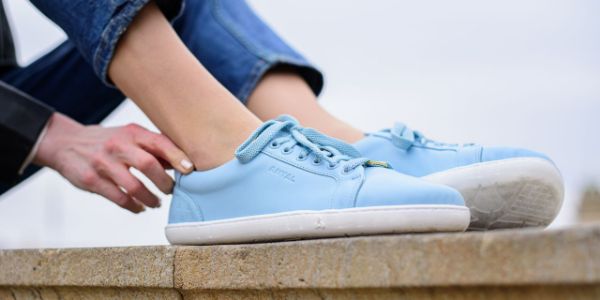
If you have foot pain or questions about your arches, the decision involves more than choosing between orthotic insoles and barefoot shoes. An orthotic is a device with a specific purpose, while barefoot describes features of footwear. What matters is the cause of your symptoms, the condition of your feet, your activity and how the shoe and any device fit together. Changing shoes does not replace an assessment of persistent pain.
What orthotic insoles can offer, and where their limits lie
According to AAOS, insoles and other orthotic devices are used to support the foot or ankle, accommodate a deformity or influence loading and function. They may ease pain or pressure in some conditions. However, the effect may not be immediate or the same for everyone; choosing the right device and footwear matters.
Both ready-made and custom-made insoles are available. A more expensive custom orthotic is not automatically necessary for everyone, although it may have a role in a particular diagnosis. An insole may not address every cause of symptoms or permanently change the shape of the foot. It can form part of a wider approach, including changes to activity levels or professionally recommended rehabilitation.
It is not accurate to compare every insole to a plaster cast and automatically conclude that using it causes muscle atrophy or “dependence”. Needing continued support does not in itself mean that the insole has damaged the foot. Discuss how long to use it, checks for wear and any adjustments with the professional who recommended it. When making a decision, also ask about the expected benefit, how its effect will be reviewed and the cost.
Barefoot shoes: a footwear option, not a universal treatment
When choosing a barefoot model, you may look for toe space, flexibility and a comfortable shape. The label alone does not guarantee that the shoe will fit, relieve chronic pain or replace prescribed support. A zero heel-to-toe drop is not a treatment for every diagnosis either.
A 2021 study followed six months of everyday use of minimalist footwear, comparing 22 participants in the intervention group with 24 controls. Participants were adults aged 18–55 who had been free of lower-limb disease in the preceding six months. The study found an increase in toe flexion strength. This does not demonstrate a cure for chronic pain, reversal of a deformity or that orthotic insoles can be discontinued; the study did not measure muscle atrophy caused by insoles either.
When switching to substantially different footwear, begin with shorter periods of everyday wear, guided by comfort and advice relevant to your health. Do not treat pain as a necessary adaptation phase. For heel pain, the NHS recommends limiting prolonged standing and walking, particularly barefoot; walking without shoes is therefore not a universal first response to acute pain.
Making decisions when you have pain or a prescribed device
- You have prescribed insoles: follow their intended purpose and the instructions you were given. Do not stop using them or reduce wear time simply because you are buying barefoot shoes. Agree any change to the plan with a professional.
- Pain keeps returning or persists: have the cause and loading assessed. Chronic symptoms do not automatically mean weak muscles and are not, by themselves, a reason to choose barefoot shoes instead of treatment.
- An insole causes pressure or is not helping: arrange a review of both the insole and the shoe. Painful pressure points do not need to be “walked through”, and one unsuccessful combination does not show that all support is unsuitable.
- You have no symptoms and are choosing everyday shoes: consider dimensions, comfort, activity and the surface. Preventive insoles and minimalist shoes are not automatic requirements for everyone. Do not try a new combination for the first time on a long hike or during demanding sport.
With pain around the Achilles tendon or a bunion, the footwear label cannot determine which treatment is needed. Adequate space in the shoe may be a practical part of the approach, but decisions about exercises, a device or further care depend on the individual findings, not a general prediction of surgery.
Seek urgent help for severe heel pain after an injury, a foot at an unusual angle or an inability to walk. Consult a healthcare professional for persistent or worsening pain, tingling or loss of sensation.
Can orthotic insoles be combined with barefoot shoes?
Sometimes, but compatibility must be checked for the particular insole and shoe model. A wider toe box alone is not enough. South Tees NHS recommends trying on new shoes with prescribed insoles already inside them.
- Check that there is enough length, width and depth for your foot together with the insole, particularly around the toes.
- Make sure the heel remains appropriately seated and the fastening holds the shoe without pressure across the instep.
- Bring the device and your usual socks when trying on shoes. If it is part of prescribed treatment, discuss the suitability of the combination with its provider; do not modify the insole yourself.
Putting a device into a shoe that is too tight, or deciding for yourself to alternate hours with and without an insole, is not a general rehabilitation method. If the combination is unsuitable, the choice of footwear or the professional fitting of the device needs to be reviewed.
Diabetes and reduced sensation need a specific approach
With diabetes, nerve damage can make injuries harder to feel, while poor circulation can make healing more difficult. NIDDK recommends checking your feet daily, checking inside your shoes and wearing suitable footwear with socks; do not walk barefoot or in socks alone, even at home.
A “barefoot shoe” is not the same as a bare foot, but that label alone does not establish its suitability for diabetes-related foot problems. Discuss footwear and any insoles with your care team, particularly if you have neuropathy, changes in foot shape or a previous ulcer. Do not change prescribed protection on the basis of a general guide to transitioning to barefoot shoes. A soft shoe or an insole alone does not guarantee ulcer prevention.
Contact a healthcare professional promptly if the skin on your foot is red, warm or painful, or if a wound is not starting to heal. With reduced sensation, do not wait for pain to confirm that something is wrong.
If you are choosing shoes for everyday wear, you can explore ANTAL barefoot sneakers. Compare the dimensions and features of the particular model; assess suitability for your health and compatibility with prescribed devices individually.
Sources: AAOS — orthotics; NHS — heel pain; NIDDK — diabetes and foot problems; South Tees NHS — footwear and insoles; 2021 study of muscle strength with minimalist footwear.