
Barefoot shoes for school and the playground: what to consider
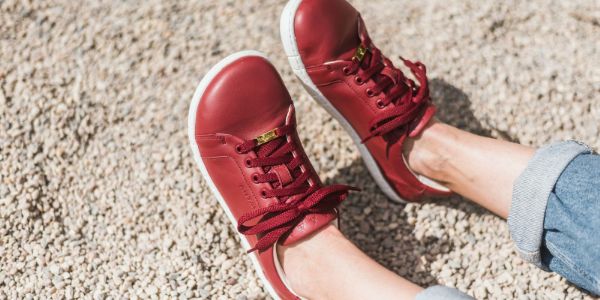
Barefoot shoes can be one option for a school-age child if the particular style fits well and suits the activity and the school's rules. The label “barefoot” alone does not guarantee healthy development, all-day comfort or suitability for every sport. When choosing, distinguish between indoor shoes for the classroom, sports shoes and footwear for outdoor play.
Feet, arches and balance: what the evidence says
Room for the toes, suitable width and comfortable fastenings matter whatever the footwear is called. A wide toe box alone does not guarantee that a shoe will not press on the foot: length, shape and volume around the instep also matter. Flexibility and zero heel-to-toe drop are not treatments in themselves.
Arches develop differently in each child. According to the AAOS, painless flexible flat feet usually do not need treatment. They cannot generally be blamed on “lazy muscles”, and barefoot shoes cannot be promised to prevent them. Our article on flat feet in children explains more.
Research into school footwear has produced interesting but limited findings. A 2024 study of children aged 9–12 reported changes in foot muscle size and strength, as well as arch height; however, only 17 of the 30 children in the minimalist footwear group completed the study. In an earlier nine-month randomised study involving 70 children, some balance test results improved, while differences in muscle size and strength were not statistically significant. These findings do not prove that every child will fall less often or that the shoes will prevent deformities or injuries.
School, PE and the playground have different requirements
For lessons, choose shoes your child finds comfortable and can fasten independently. Check the school's requirements for changing shoes, an enclosed heel, colour or soles. Our article on indoor shoes for school offers practical details.
For PE, the particular sport, surface and teacher's instructions matter. Everyday indoor shoes may not be sports shoes. Neither the barefoot label nor a specific sole thickness guarantees suitable cushioning or grip. Our article on children's PE shoes covers this in more detail. Do not make your child change to landing on the forefoot just because they have new shoes.
On the playground, consider the surface, wet conditions, the state of the soles and toe protection. The barefoot label does not tell you how much protection a particular style provides against punctures or impacts. If there are sharp objects or a damaged surface, find a safer place to play; do not rely on shoes as a guarantee of protection.
Choosing a particular pair
- Size and shape: measure both feet, follow the information for the particular style and try the shoes with the socks your child will wear. Our guide to measuring children's feet at home can help. Do not judge toe allowance by a single universal number of millimetres.
- Hold and comfort: the toes should not be squeezed, the heel should not slip out noticeably and the fastenings should not press on the instep. Let your child walk comfortably in both shoes.
- Purpose and conditions: check the manufacturer's intended use, the tread, the condition of the shoes and the requirements of the school or sport. A more flexible shoe may not suit every activity; a firmer heel does not automatically mean harmful restriction.
- Regular checks: keep checking room, rubbing, wear and comfort. If the shoes press, do not wait for a fixed three-month check. Bring any prescribed insoles or other devices to the fitting and follow the professional's advice.
Getting used to new shoes without a fixed timetable
If the new style is very different, try it for shorter periods of ordinary wear in a safe setting first. Adjust wearing time to your child's comfort, rather than a promise that they must adapt within a certain number of days. Do not begin all-day wear and demanding sport at the same time. Pain is not a reason to “push through”: stop wearing the shoes and check them.
Discuss persistent pain, a change in walking or difficulty taking part in usual activities with your child's doctor, who can recommend further assessment based on the findings. An interest in barefoot shoes alone does not mean an annual visit to an orthopaedic specialist is needed. Follow individual advice if your child has a known condition or prescribed treatment.
Parents' frequently asked questions
Will my child's feet get cold in barefoot shoes?
That depends on the particular style, insulation, whether the socks are dry, the weather and time spent outdoors. The barefoot label does not guarantee warmth or the same protection as winter footwear. Thicker socks must not squeeze the toes or instep; assess suitability and care using the manufacturer's guidance and your child's comfort.
What if my child gets hurt on the playground?
No ordinary shoe can guarantee that a child will not be injured. Choose for the activity and surface, and check fastenings and the condition of the soles. Research into minimalist school shoes does not establish a generally lower risk of ankle sprains or falls.
What about school rules and classmates' opinions?
Check the school's rules first, then involve your child in choosing the appearance and trying the shoes on. Consider comfort and a design they are happy with together. If your child is teased, listen and work with the school to address it; do not dismiss their concerns.
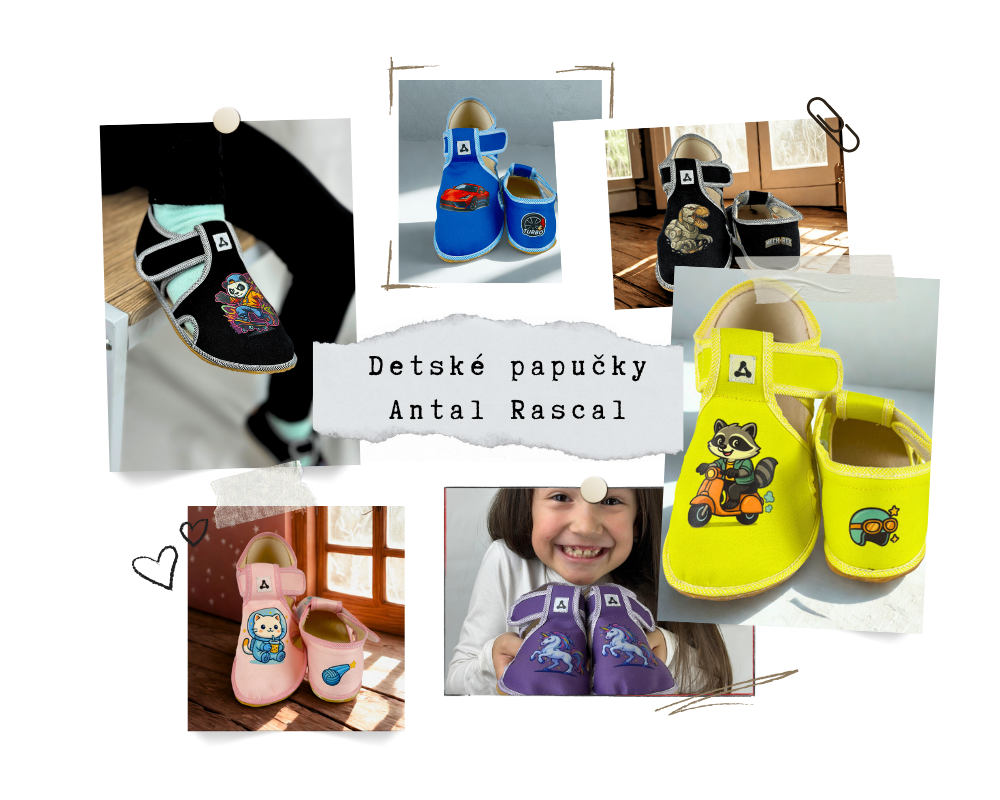
For everyday indoor use, you can explore ANTAL children's slippers. Choose according to the measurements and intended use of the particular style; assess suitability for PE separately.
Sources: Dorset NHS – choosing children's shoes; AAOS – flexible flat feet in children; 2024 study of minimalist school footwear; 2022 randomised school footwear study.