
Indoor shoes for school: fit, safety and everyday care
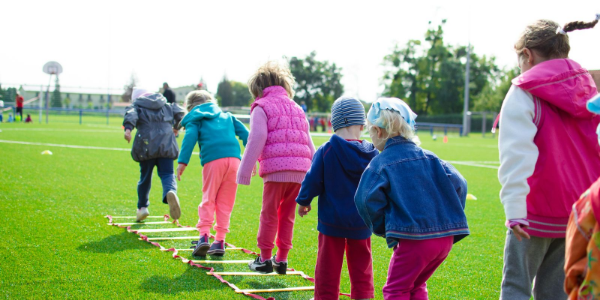
In classrooms and corridors, children need comfortable indoor shoes for school that fit and meet the school's rules. For PE, choose footwear designed for the sport and surface, following the school's requirements. Everyday indoor shoes do not automatically replace it; our article on PE shoes for children explains what to consider.
What matters when choosing shoes for a schoolchild
- Space and shape: toes need room, and the shoe should fit the foot's length, width and volume. A “wide toe box” label alone is not enough.
- Sole and surface: check whether the sole suits the school floor and inspect the tread. Even a “non-slip” label does not guarantee protection against falling, especially on a wet or dirty surface.
- Flexibility and weight: see how your child walks in the shoes. Flexibility is one consideration; zero drop is not a universal requirement for a suitable shoe. Lower weight alone does not guarantee less fatigue.
- Fastening and upper: the heel should not slip out, and the instep should not be squeezed. The child should be able to use the fastening; also monitor comfort and moisture while the shoes are worn.
Room for growth and checking the size
Measure both feet and compare them with the model's internal dimensions. Space in front of the toes should allow comfortable movement without the shoes being so large that the feet slide inside them. Assess the allowance according to the model's shape, construction and recommendations, rather than a single number for all schoolchildren.
Have your child try both shoes on with their usual socks and walk a short distance. Stop the fitting if there is pressure, pain or unsteadiness. Check the size and any pressure marks regularly, including during rapid growth or if your child raises a new concern; do not automatically wait until a fixed interval has passed. If your child uses a prescribed device, bring it to the fitting.
Everyday care and hygiene
After wear, let the indoor shoes dry and air out. Remove the insole only if it is designed to be removed; follow the manufacturer's instructions for cleaning, washing and drying. Replace wet socks and dry washed feet thoroughly, including between the toes.
If one pair does not have enough time to dry, alternating with another can be practical. Buying a second pair is not a requirement for every child. You can find more tips in our article on sweaty feet in children.
Parents' frequently asked questions
Do indoor school shoes have to be enclosed?
Check the school rules and requirements for particular areas. Whatever the style, the shoes should fit well, stay securely on the feet and suit their intended use.
What if the sole makes a “clapping” sound?
Check the size, heel fit and how the shoes behave when walking on that surface. Sound depends on the material, construction and floor; a thinner sole does not automatically mean quieter shoes.
How many pairs are needed each year?
The number depends on growth, the shoes' condition and whether they can dry properly. Replace a pair that no longer fits or has a damaged fastening or sole. One or two pairs a year is not a rule for every child.
Expert sources: Dorset NHS – children's footwear and fitting; NHS – foot hygiene and drying shoes.