
Indoor shoes for nursery: requirements, fit and everyday care
What to check with the nursery
Before buying indoor shoes for nursery, ask about the requirements of that particular setting. The rooms, activities and what your child can manage when putting shoes on all matter.
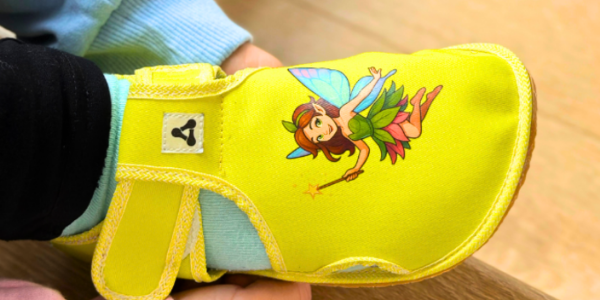
- Easy to put on: check whether your child can use the hook-and-loop strap, elastic or other fastening and whether the shoes then stay securely in place.
- Sole: check its suitability for the nursery floor and the condition of the tread. Even a “non-slip” label does not guarantee that a child will not fall on a wet or dirty surface.
- Hygiene: find out how the shoes can be cleaned and dried. Removing the insole or washing the shoes is appropriate only if the manufacturer allows it.
- Walking noise: if the nursery has concerns about noise, assess the particular model on that surface. The sole's material or thickness alone does not guarantee quiet footsteps.
Comfort and room for the foot
When choosing children's indoor shoes, compare dimensions, toe room, fastenings and how the shoes behave during walking. A wide toe box should match the foot's actual shape; the heel should not slip out and the instep must not be squeezed.
Flexibility and weight are part of the overall choice. Zero drop is not a universal requirement for a suitable shoe, and combining these features does not in itself guarantee better motor skills or balance. The child's comfort, the shoe's purpose and any professional advice are what matter.
Materials and everyday care
Consider the whole upper, the lining, socks and moisture during wear. Textile alone does not guarantee less sweating or eliminate odour. It is important that the shoes fit well and can dry between uses.
Air the indoor shoes after a day at nursery. Remove the insole only if the model allows it. Follow the manufacturer's instructions for cleaning, washing and drying; do not use high heat or a tumble dryer unless this is expressly permitted.
Choosing the size and shape
Measure both feet and compare their length, width and volume with the particular model's internal dimensions. Choose the space in front of the toes according to its construction and recommendations; it must not leave the foot sliding around in an oversized shoe. A single numerical allowance is not suitable for every child.
Have your child try both shoes on with the socks they will wear. Let them walk comfortably on a safe floor and look for pressure, the heel slipping out or unsteadiness. Stop the fitting if there is pain or discomfort. Check the size regularly; if your child uses a prescribed device, bring it along to the fitting.
Parents' frequently asked questions
Does an indoor shoe need a firm heel counter?
The support needed depends on the individual child, model and use. A firmer heel counter does not, by itself, mean movement is being harmed. The shoe should hold the foot without pressure; do not change support or insoles that have already been recommended on your own.
Are open indoor shoes suitable?
The nursery's rules and the particular activities determine this. Assess both open and enclosed styles according to how securely they stay on the foot, their size and whether the sole suits the surface.
What can help with sweaty feet?
Replace wet socks, dry washed feet between the toes as well, and let shoes dry. If one pair does not dry in time, you can alternate it with another. Our article on sweaty feet in children explains more.
Requirements may change when your child later starts school; our guide to choosing indoor shoes for school covers that next stage.
Expert sources: Dorset NHS – children's footwear and fitting; NHS – foot hygiene and drying shoes.