
Sweaty feet in children: causes, hygiene and choosing shoes

Children's feet may sweat more in hot weather, during activity or after long periods in closed shoes. Moisture and odour are nothing to be ashamed of, and neither is a diagnosis in itself. Start with regular hygiene, dry socks and a check of your child's footwear; speak to their doctor if problems persist.
What can make sweating worse?
Heat, activity, stress and hormonal changes during puberty can affect sweating. Moisture escapes less easily from closed shoes if the upper and lining do not allow it to pass through. Damp socks, an insole that has not dried and shoes stored in an unventilated cupboard can make matters worse. Odour often involves sweat and bacteria; it cannot identify a skin condition on its own.
Shoe materials and construction
Assess the breathability of the particular upper and lining, comfort and care options. Textile or leather may be suitable, but the construction of the whole shoe matters. A thin or flexible sole, or no difference in height between the heel and forefoot, does not by itself guarantee less sweating. Toe room is important for comfort; a removable insole may make it easier to dry it separately.
Socks: materials and regular changes
Choose the right size and thickness for the weather and the space inside the shoe. Cotton, merino and performance blends can all be suitable; consider moisture-wicking ability and comfort. The AAD notes that technical polyester or nylon socks can also have this property, although not every product made from these fibres does. If there is irritation, check seams and bunched-up folds. Pack a spare pair for school and change damp socks.
Hygiene, drying and airing
Wash feet daily and dry them gently but thoroughly, especially between the toes. Use clean socks every day. Open shoes up after wear; take out the insole only if it is removable. Let everything dry in a ventilated place, following the manufacturer's instructions. Do not shut damp shoes in a plastic bag or an unventilated cupboard.
Alternating pairs gives shoes time to dry. Bicarbonate of soda and cedar shoe trees do not replace hygiene or treatment for a skin problem; check that any shoe-care accessory is suitable for the material and your child's age.
Choosing footwear for sweaty feet
Shoes should not pinch and should suit the activity and surroundings. For the classroom, choose indoor footwear with a suitable sole and check its ventilation and cleaning options; the school decides whether non-marking soles are required. After a rainy journey, your child can change out of closed rain boots. Read more about wearing and drying children's rain boots.
When to seek professional advice
Contact your child's doctor if sweating is marked or persistent and interferes with everyday activities, if they sweat at night, or if problems continue despite changes to their routine. Itching, redness, scaling, small blisters or cracks deserve assessment; appearance alone does not establish the cause at home. Do not address recurring symptoms simply by switching to a material labelled “hypoallergenic”. Choose skin products and treatments with a professional, according to your child's age.
Common mistakes
Putting a damp pair back on, leaving wet socks unchanged, washing or drying shoes against the care instructions, and masking odour with a spray without checking the skin. If a skin infection is suspected, do not share footwear, socks or towels.
Frequently asked questions
Can shoe deodorants help?
They may affect odour, but they do not remove the cause of excessive sweating. A deodorant is not an antiperspirant. Use only a product intended for the purpose, and check its suitability for your child with a pharmacist or their doctor.
How many pairs of socks are needed each day?
A clean pair every day, and another whenever the socks become damp. Heavy sweating may mean changing them more than once a day; let the condition of the socks guide you.
Can shoes be dried on a radiator?
Follow the manufacturer's care instructions. Unless expressly permitted, avoid radiators and direct heat; a ventilated place at room temperature is preferable.
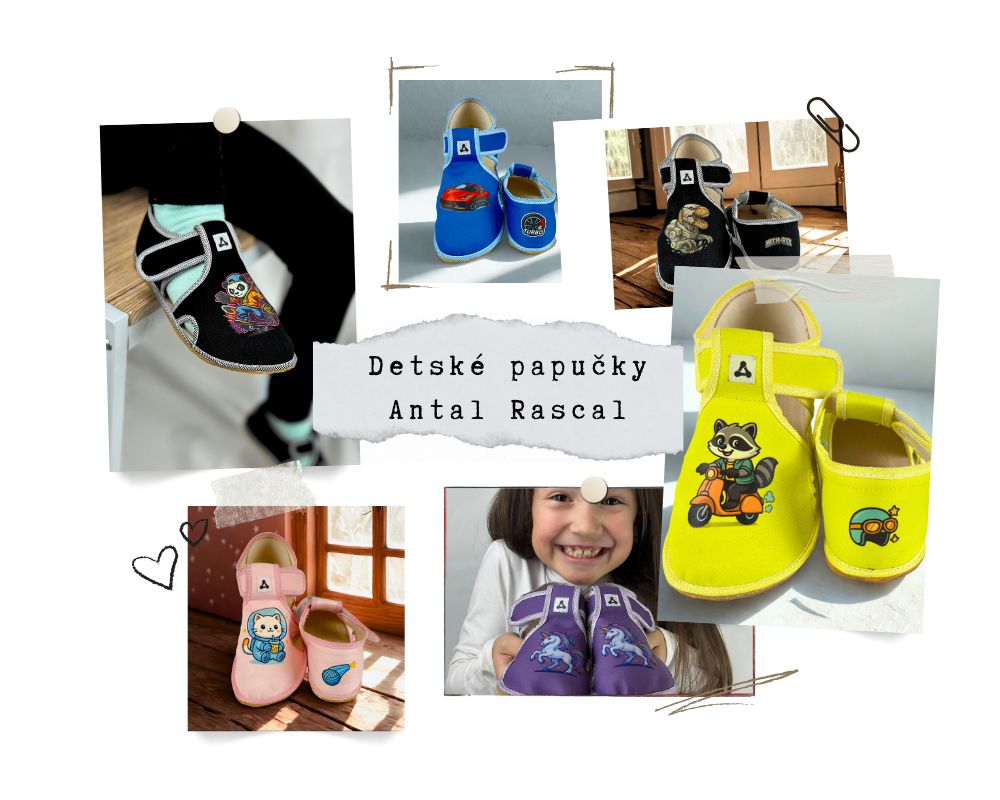
For everyday indoor use, you can browse ANTAL children's slippers and choose according to dimensions, comfort and the information for each model. Follow professional advice if treatment has been recommended.
Reference sources: NHS – foot odour and hygiene; NHS – excessive sweating; AAD – self-care for excessive sweating; NHS – skin symptoms and athlete's foot.