
Toe walking in children: when to seek advice and what to observe

When a child walks on tiptoes, their heels do not touch the floor or make very little contact with it. Brief episodes occur particularly when children are learning to walk. Notice when it began, how often it happens, whether it affects both feet and whether your child has pain or difficulty playing.
When it may be part of typical development
New walkers try different ways of moving. According to AAOS, by around two years of age most children walk with their heels touching the ground. If toe walking continues beyond this age, speak to your child's doctor; seek advice sooner if you are concerned. Age alone, or being able to put the heels down, does not confirm that it is simply a habit.
Signs to discuss with a doctor
- Persistence or a new start: your child often walks on tiptoes, or started doing so after a period of usual walking.
- One-sided toe walking: it affects only one foot or there is a marked difference between the sides.
- Pain and movement: the calves or heels hurt, or your child cannot comfortably put their heels on the ground.
- Function: falls, weakness or limitations during play are increasing.
Depending on the findings, your child's doctor may recommend further assessment or physiotherapy. You can find related observations in our article on why children trip.
Seek urgent medical help if your child cannot put weight on the leg, has severe pain, has a deformity after an injury, or has a fever and feels generally unwell.
Observation and games at home
Watch everyday walking with shoes and without them on a safe surface. Only try barefoot activities that your child finds comfortable; grass or carpet can make toe walking more noticeable in some children. Note the situations and frequency, but do not force the feet or heels into position.
Balance games, gentle rocking or picking up a piece of fabric with the toes can be included according to age and ability, provided they feel comfortable. Stop if there is pain or unsteadiness. These are games, not diagnostic tests or guaranteed treatments. A physiotherapist should recommend specific stretches or targeted practice following an assessment.
Check the length, width, toe space and fastening of shoes. Judge flexibility and support according to comfort and any professional advice, rather than a promise that a particular type of shoe will stop toe walking.
What to avoid
Do not punish or shame your child for how they walk. Do not force a painful step or automatically wait until the age of three or four if you are concerned. Heavier shoes, a soft sole and patient practice are not universal solutions.
Frequently asked questions
Will a firm heel counter or a heel wedge help?
A professional may recommend support, insoles or orthoses according to the cause and range of movement. Do not add aids yourself or change those already prescribed. Our article on orthopaedic shoes for children explains more.
Can my child take part in sport?
Choose activities according to ability, comfort and advice following assessment. Stop an activity if it causes pain. Toe walking alone does not automatically mean all movement must be avoided.
When is it “just a bad habit”?
You cannot establish this at home by asking your child to walk on their heels or do a single squat. Idiopathic toe walking means that no other cause was found during a professional assessment. The next steps depend on the findings: observation is enough for some children, while others need treatment.
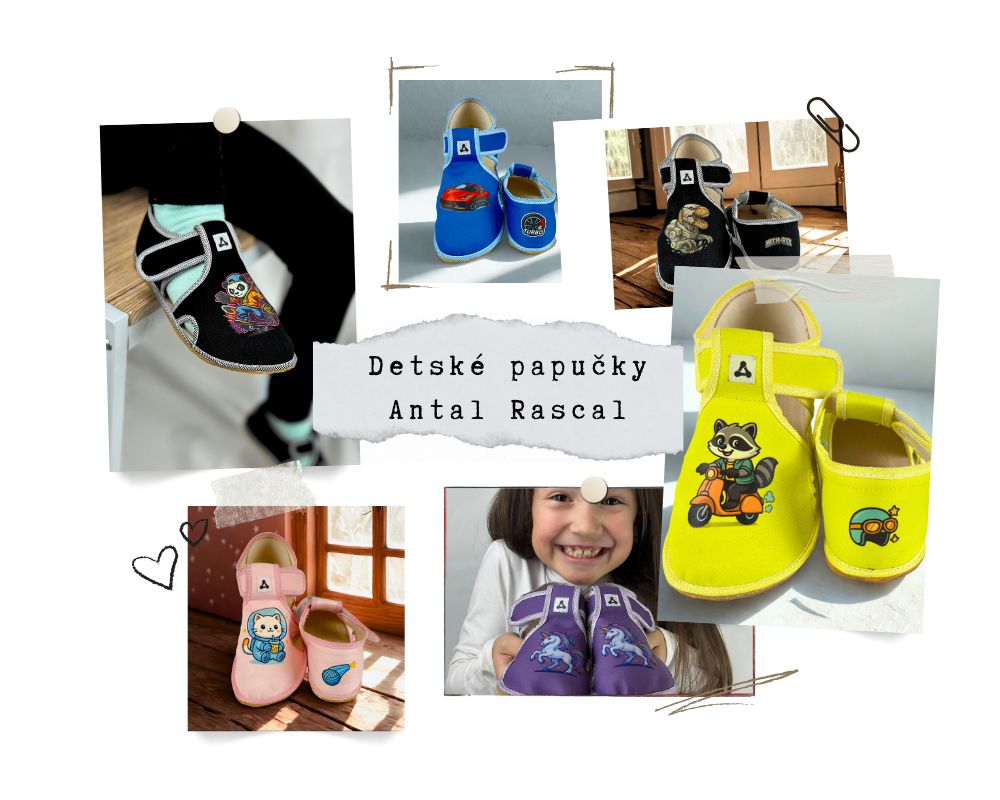
For everyday indoor footwear, you can look at ANTAL children's slippers and compare their measurements with your child's feet. If treatment has been recommended, follow the professional's instructions.
Medical sources: AAOS – toe walking; Gateshead Health NHS – idiopathic toe walking; Shropshire NHS – persistent and newly developed toe walking; NHS – limping and urgent symptoms.