
Orthopaedic shoes for children: when are they needed?
Does a child need orthopaedic shoes because they have flat feet? The appearance of the arch alone is not enough to decide. For many children, flat feet are a common part of development and may not need treatment if there is no pain or difficulty with movement. What matters is how the child moves and whether they have any problems.
Myth: an orthopaedic shoe is automatically healthier
Orthopaedic footwear is an aid for specific needs, not a universal preventive measure for every child. A healthcare professional may recommend it as part of care for a particular condition or after an injury. Equally, it is not correct to say that any foot support automatically weakens the muscles. Whether an aid is suitable and how it should be used depend on why it was recommended.
Myth: a reinforced heel is always essential
The amount of support should suit the foot, any difficulties and the activity. Some children may need firmer heel support, so firmness alone does not show whether a shoe is harmful or suitable. Also consider toe room, size, width and fastenings. A healthcare professional can assess the support needed when there are health concerns.
When specialist footwear may be needed
A professional assessment is particularly useful:
- for recurring pain or difficulty walking;
- for a more pronounced or rigid foot deformity;
- for a neurological condition that requires specific stabilisation;
- after certain injuries or operations, as advised by the treating team.
An assessment does not always lead to custom-made shoes. Depending on the findings, a healthcare professional may recommend a suitable everyday model, insoles or specialist footwear and decide what adjustment is needed. Some insoles are ready-made and others are made individually; the choice depends on the particular problem.
What to consider when choosing everyday shoes
If your child has no difficulties and has not been advised to use a specialist aid, focus on comfortable, well-fitting shoes and varied activities suited to their age and abilities. Balance games, climbing and barefoot play on a safe surface can be part of physical activity, but they do not replace recommended treatment.
Before buying, make sure you measure your child's feet correctly. Assess the dimensions and construction of the particular model. Our comparison of barefoot and conventional children's shoes may also help.
Why not buy an aid purely as a precaution?
Without an assessment, the chosen shoes or insoles may not match your child's needs. If an aid has been prescribed, follow the advice on wearing it and attending reviews. If it presses, rubs or causes ongoing difficulties, contact the professional who recommended it. General shopping advice should not replace their instructions.
Frequently asked questions
Can we buy “orthopaedic” shoes in a regular shop?
A label on the box does not replace an examination or individual advice. When buying everyday shoes, assess how they fit; when there is a medical need, follow professional recommendations.
How do I know whether my child needs them?
Start by discussing it with your child's doctor, especially if there is pain or restricted movement. Depending on the findings, they may recommend further assessment by an orthopaedic specialist or physiotherapist.
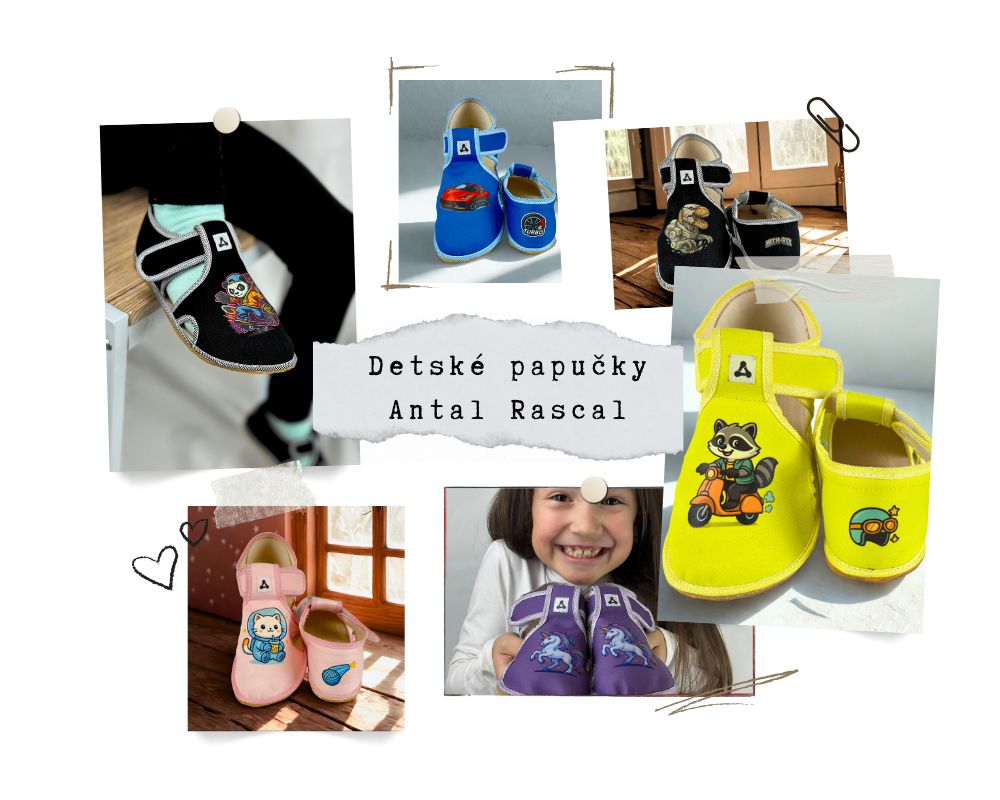
If you are choosing everyday footwear for home, nursery or school, explore ANTAL children's slippers and compare the size, fastenings and construction with your child's needs.
Health information sources: AAOS – flexible flatfoot in children; Guy's and St Thomas' NHS – foot insoles.