
Second-hand children's shoes: what to check before passing them on
Children sometimes outgrow their shoes before wearing them out. Second-hand children's shoes can therefore seem appealing, whether passed down by siblings or bought used. However, a lightly worn pair is not automatically suitable for another child. Its measurements, current condition and hygiene matter; a photograph or the same size on the label is not enough.
Which second-hand shoes might be worth considering?
If you are considering a used pair, look first at shoes with very little wear. These might include sandals or occasion shoes that were only worn briefly. Even then, check:
- that the sole is not heavily or unevenly worn and still has usable tread;
- that the toe, heel and upper retain their shape without permanent distortion;
- that the inside has no damaged lining, deep indentations or hard areas;
- that the fastenings work and the pair fits the particular child in length, width and volume.
These checks do not guarantee suitability. West London NHS's children's podiatry service advises avoiding hand-me-down shoes; if you are unsure about a pair's condition or suitability, choose another pair.
Which shoes are better not passed on?
Do not pass on shoes with noticeably uneven sole wear, a misshapen heel or toe, or a damaged interior. Also set aside cracked or hardened wellington boots and other footwear whose material has lost its original flexibility. The reason is the condition and comfort of that particular pair; wear alone does not show that a shoe will automatically “teach” a child to walk incorrectly.
Before using shoes or insoles prescribed for another child, ask a healthcare professional. Their purpose is explained in our article on when children may need orthopaedic shoes.
Hand-me-downs from siblings and second-hand purchases
With siblings, you usually know more about how the shoes were worn and cared for, and any problems. Being related does not guarantee the same foot shape or that one pair will fit both children. When buying second-hand, ask for photographs of the soles and inside, as well as information about previous wear. If you cannot reliably assess the condition or try the shoes on, it is better to skip the purchase.
Hygiene and care
Inspect the shoes inside and out, clean them according to the manufacturer's instructions, and let them dry and air thoroughly. Only use a disinfectant if it is intended for the particular material and purpose; ordinary cleaning does not guarantee that an infection has been eliminated. Do not share shoes if a fungal foot infection is known to be present. NHS advice on preventing fungal infections also includes keeping feet dry, wearing clean socks and not sharing footwear.
How to check whether hand-me-down shoes fit
Measure both feet and check the internal dimensions and space in front of the toes for the particular model. Let your child walk in the shoes and make their usual movements. The heel should not slip out noticeably, and your child should not complain of pressure. Check their feet after the first wear; stop using the pair if there is rubbing, pressure marks or pain. Discuss recurring or persistent difficulties with your child's doctor.
Frequently asked questions
Is it a problem if a child wears only hand-me-down shoes all year?
Assess each pair separately. The measurements, condition, hygiene and suitability for the activity matter. Coming from a sibling or showing little wear does not guarantee that the shoes suit your child.
Are slippers and indoor shoes more prone to wear?
When shoes are worn for long periods every day, it is worth checking the inside, soles and fastenings more often. Do not pass on a heavily worn pair. Even lightly worn indoor shoes need to be assessed again and tried on before use.
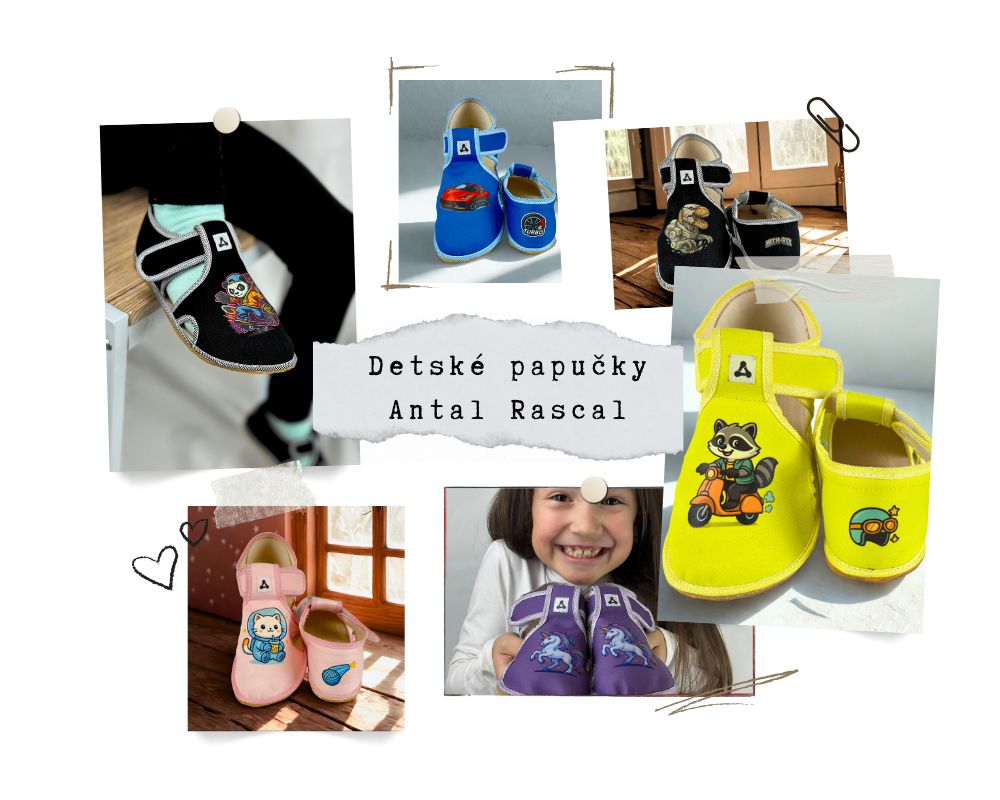
If you need a new pair for home, nursery or school, explore ANTAL children's slippers and choose according to your child's measurements and needs.
Health information sources: West London NHS – children's foot care; NHS – choosing children's shoes; NHS – athlete's foot and prevention.