
Hiking with children: choosing shoes for paths and rocky trails
Children switch between walking, running and exploring when they are out on a trail. Their hiking shoes need, above all, to fit well and suit the route. A lighter shoe may work on a level path, while rocky ground calls for more protection.
Choosing shoes for the terrain
- Paved paths and easy woodland trails: for a short, undemanding walk, lightweight, comfortable shoes with a reasonably flexible sole and tread suited to the surface may be enough. A thin, smooth sole may be unsuitable for stones, roots or mud.
- Stony paths and rocky ground: consider a more robust construction, protection around the toes and heel, and a sole suited to uneven terrain. Shoes should hold the foot securely without pressing on the toes, particularly when walking downhill. The flexibility needed depends on the route; the softest possible sole is not an advantage in every situation.
- Wet grass and damp stretches: check the tread and condition of the sole, the stated water resistance and how easily the upper can dry. No sole guarantees grip on every wet rock or root. Slow down and choose an easier route if conditions call for it.
Choose footwear for the most demanding part of your planned walk. Equipment alone cannot make up for a route that exceeds your child’s abilities.
Size, socks and trying shoes before a hike
Measure both feet and compare them with the internal dimensions of the particular shoe. The space in front of the toes should allow comfortable movement, but an oversized shoe can slip around on the foot.
Try the shoes on with the socks your child will wear on the hike. Choose the right sock size and make sure there are no bunched-up folds; moisture-wicking hiking or sports socks can be practical. Merino wool is one option, but thickness and comfort inside the shoe matter too. Pack a dry spare pair.
Try new footwear on short walks first. Check the heel, toes and comfort when walking downhill. Do not rely on prolonged wear to put right a shoe that pinches or is the wrong size.
Let your child set the pace and breaks
Match the length and difficulty of the outing to your children’s ages, experience and energy on the day. Allow time to explore their surroundings and take regular breaks for drinks and food. Space these out according to tiredness, weather and terrain; do not wait for a fixed interval if your child needs to stop sooner. At a suitable spot, you can check socks and feet. Shorten the route if your child becomes tired or uncomfortable.
A little foot care along the way
At the first sign of a burning sensation or pressure, stop and check for stones, sock folds and the fit of the fastening. Change wet socks when possible. Pack dressings suitable for protecting against friction in your first-aid kit and use them as directed; they do not replace well-fitting shoes. If a blister or pain develops, avoid further rubbing on the same area.
After the hike, let the shoes dry and air according to the manufacturer’s instructions. If the insole is removable, you can dry it separately.
Frequently asked questions
Are higher-cut hiking boots always better?
Not for every route. The height of the upper is just one feature; the sole, how securely the shoe holds the foot and the difficulty of the terrain also matter. Extra protection can be useful on rocky stretches, but a higher-cut boot does not guarantee a safe step.
Do children’s hiking shoes need a membrane?
Protection from water can be useful on wet grass or in rain. Check the properties of the particular model. In warm, dry weather, also consider breathability and whether your child feels comfortable in the shoes; a membrane is not needed for every outing.
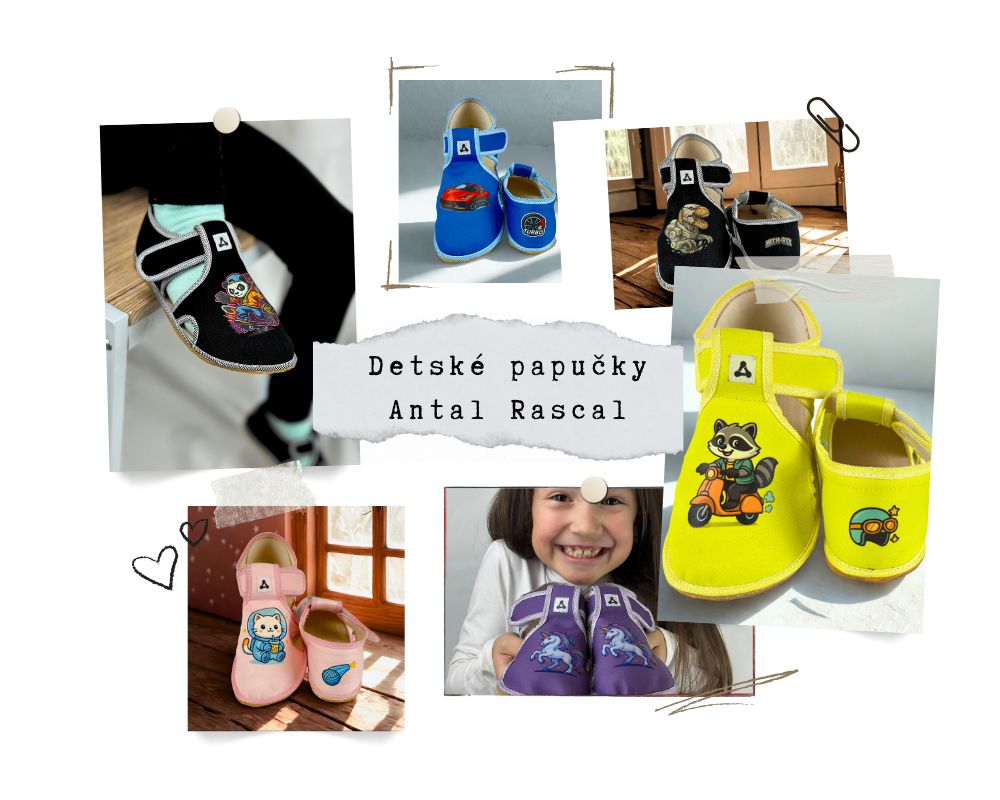
The best starting point is the right size, comfort and a construction suited to the route. Back at home, or for changing into indoors at your accommodation, you can choose ANTAL children’s slippers to suit your child’s foot measurements and needs.
Reference sources: German Alpine Club – hiking with children; German Alpine Club – choosing hiking footwear; NHS – blisters and preventing rubbing.