
Children’s rain boots: when to wear them and how to choose

Children’s rain boots, often called wellies, are useful for rain, puddles and mud. Whether they are suitable depends on the particular model, its size and the activity you have planned. A closed rubber or plastic upper can limit moisture escape, so keep an eye on comfort and the condition of your child’s socks too.
When rain boots are useful
They can be handy for the journey to nursery or school in the rain, playing in a wet garden or a short muddy walk. Check the model’s stated water resistance and the condition of both the sole and upper. Back in a dry classroom or at home, your child can change into footwear suitable for indoor use.
How to wear them comfortably
- Size: toes need room, but the foot should not slide around noticeably inside the boot. Measure both feet and compare them with the model’s internal dimensions. Have your child walk around in both boots; check the heel and comfort when bending the foot.
- Socks: choose the correct size without bunched-up folds. Moisture-wicking sports socks or a suitable merino blend can be practical. Match the thickness to the weather and the room inside the boot; extra layers must not make it too tight or press on the toes.
- Moisture and comfort: change wet or sweaty socks when possible. If the boots rub or your child feels pressure, stop and check what is bothering them. A dry spare pair of socks is useful even on a short outing.
Have your child try the boots on with the socks they will actually wear inside them.
When to choose different footwear
For a full day in the classroom, indoor games or longer walks, choose footwear intended for the activity. Comfort, how securely the shoe holds the foot, appropriate flexibility and a sole suited to the surface all matter. NHS guidance recommends wellies for puddles, not long walks; water resistance alone does not make them hiking footwear.
When planning a longer outing, see our article on choosing shoes for hiking with children. The terrain, weather and your child’s abilities should guide your choice.
Materials, cleaning and drying
After returning home, remove mud and clean the surface as the manufacturer recommends. Let the boots dry and air in a ventilated place at room temperature, away from radiators and other direct heat sources. If the insole or inner liner is removable, dry it separately as instructed.
Use cleaning products and any disinfectants only for their intended purpose and in line with the instructions for the particular material. Regularly check for cracks, damaged lining and sole wear. Replace a pair if damage makes it uncomfortable to use or allows water to leak in.
Frequently asked questions
Should you add an insole to rain boots?
Not automatically. An extra insole takes up space inside, so check comfort and toe room again after adding one. It should not be used to compensate for the wrong size. If your child uses a prescribed orthotic device, ask a professional whether the footwear is suitable.
Can rain boots affect how a child walks?
Assess the particular pair and the activity. If the heel slips out noticeably, your child trips or the boots pinch, check the size and whether the model is suitable. Seek advice from your child’s doctor for persistent pain or a marked change in walking.
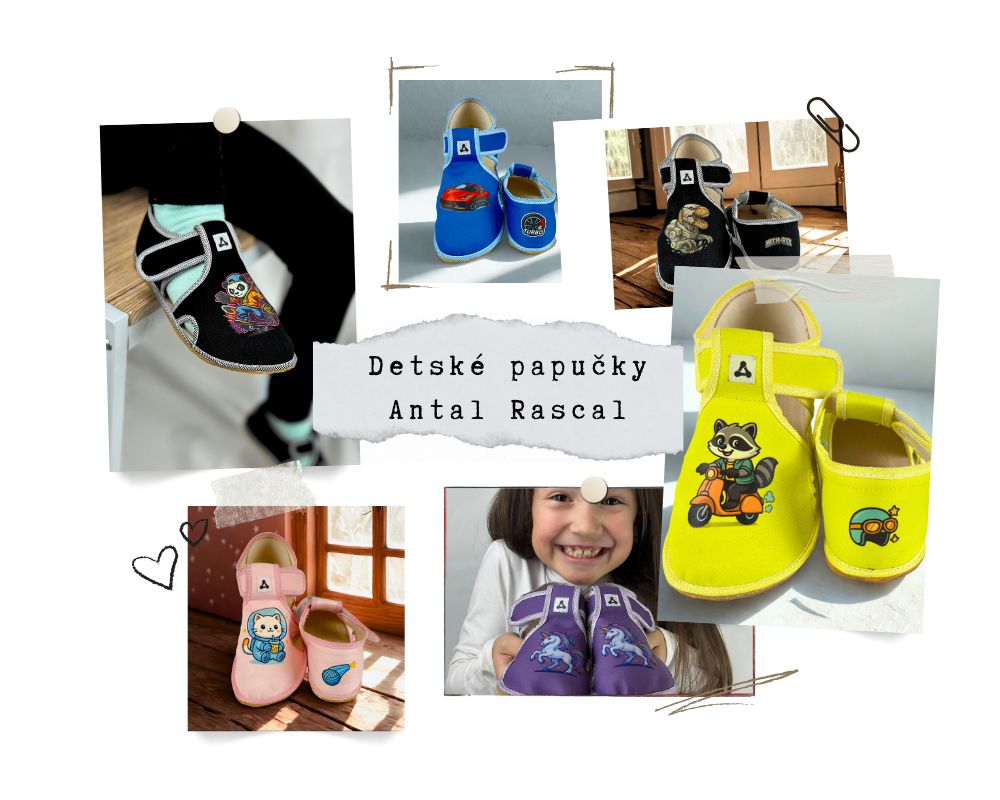
Choose rain boots for wet conditions and have suitable footwear for other activities. For changing into indoors, you can browse ANTAL children’s slippers and compare their dimensions with your child’s needs.
Reference sources: Dorset HealthCare NHS – choosing footwear for children; NHS – shoes, socks and blister prevention.