
Barefoot or conventional shoes: choosing for your child

Are barefoot or conventional shoes a better choice for your child? The answer depends on their feet, any difficulties they may have, the environment and the particular shoe. When choosing, compare how the shoes fit and what activities your child needs them for.
What are barefoot shoes?
The term usually refers to shoes designed to feel closer to walking barefoot while protecting the feet from direct contact with the ground. Typical features include:
- Room at the front: a toe box that leaves space for the toes.
- A thin, flexible sole: individual models still differ in thickness, durability and grip.
- Zero drop: no height difference between the heel and the forefoot.
- A lightweight construction.
The barefoot label alone does not guarantee the right size or mean that a shoe will suit every child.
How to compare conventional children's shoes
Conventional shoes are not one uniform category. Toe shape, sole thickness, weight and support vary between models. It is therefore not accurate to say that every conventional shoe is narrow or that a firmer sole is harmful.
With either type, check the room for the toes, width, space over the instep and a fastening that holds the foot without pressing. Start by measuring your child's feet correctly. A reinforced heel or insoles may have a role in managing particular difficulties; a healthcare professional can assess the support needed.
When to consider barefoot shoes and when to seek advice
If your child moves without pain and has no health-related restrictions, you can consider a particular barefoot model among the options. Check that it fits and suits their activities and surroundings. Shoes do not replace varied physical activity.
If your child has a foot deformity, a neurological condition or recurring pain, discuss the choice with a healthcare professional. For joint hypermobility in children, especially when it causes difficulties, simply recommending a gradual transition is not enough. The support needed and the suitability of the shoes should be assessed individually.
Different shoes for different activities
Your child may use several types of footwear depending on the setting. The same shoes may not be suitable for an everyday walk, school and sport. For indoor sports and other sporting activities, follow the requirements for soles, grip and protection. The particular shoe and your child's needs matter, as well as the category name.
Frequently asked questions
Can a child switch to barefoot shoes overnight?
Try a new type of shoe for shorter periods at first and watch for discomfort, rubbing or tiredness. If pain develops, do not make your child carry on; seek professional advice. There is no single adjustment plan that suits every child.
Are barefoot shoes suitable for school?
They can be, provided the particular shoes fit your child, meet their needs and comply with the school's rules, including hygiene and safety on its floors.
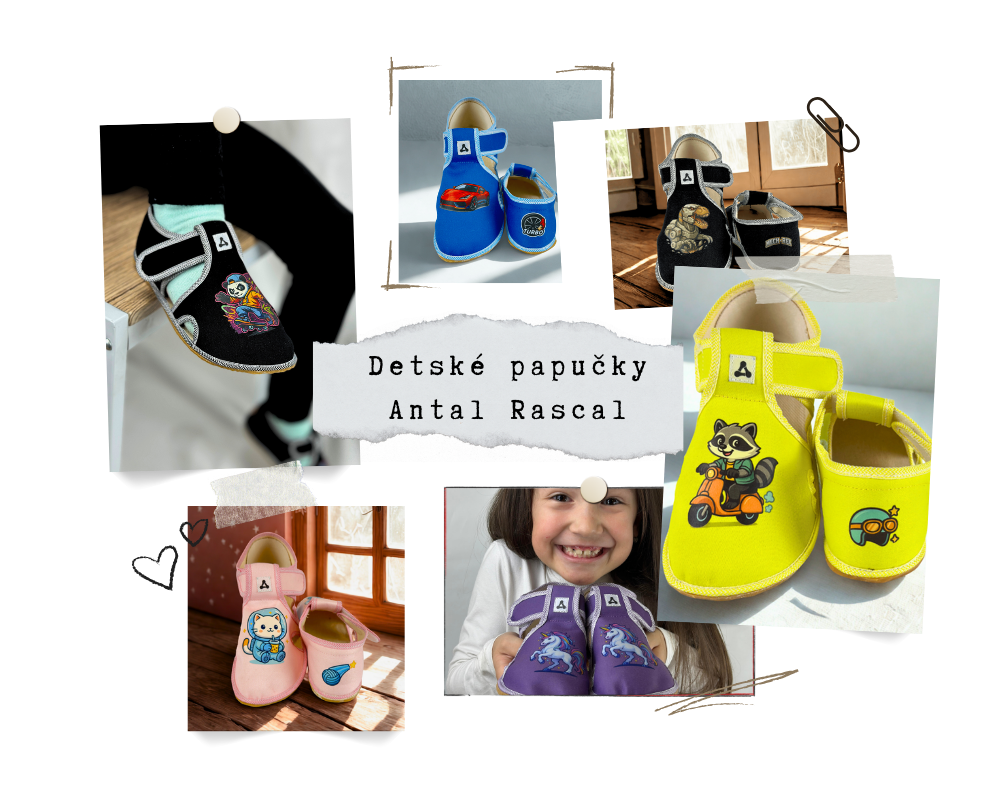
When choosing footwear for home, nursery or school, explore ANTAL children's slippers and compare their sizing, fastenings and construction with your child's needs.
Health information sources: NHS – children's feet and choosing shoes; Cambridge University Hospitals – joint hypermobility in children.