
Why children trip: possible causes and what to look out for
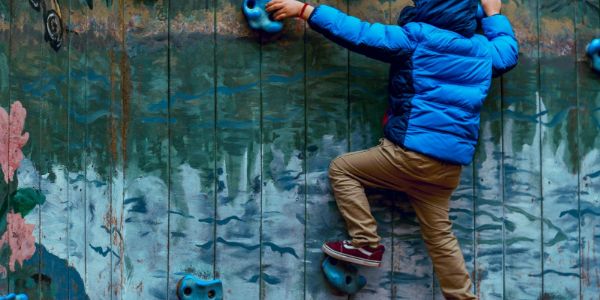
An occasional trip is part of learning to walk, run and negotiate obstacles. As children grow, they adapt their movements to changing body proportions and more demanding tasks. Footwear, the surface underfoot, tiredness and distractions can all play a part. However, frequent or increasing falls should not automatically be put down to shoes or growth.
Five things to look out for
- Shoe length and how securely it fits: shoes that are too large or not fastened properly may slip around on the foot. Watch for the heel slipping out or the front of the shoe catching on the ground.
- Toe-box width and shape: toes need room both across and above them. Pressure and rubbing are reasons to check the size or try a different shape, rather than make your child change their stride.
- Sole construction and weight: bulky or heavy shoes can make movement harder. Consider flexibility alongside how your child moves in that particular pair; the material alone does not determine suitability.
- The sole and the surface: check for wear, dirt and wet or smooth floors. Distinguish catching a toe from slipping, as each may call for different changes to the surroundings.
- Growth, coordination and tiredness: new movement tasks may need more practice. Also pay attention to your child’s tiredness, concentration and general wellbeing.
Observing movement and checking shoes at home
Measure both feet and compare them with the shoe’s internal dimensions. Consider extra room alongside width, space above the toes and how securely the heel is held. Check the fastenings and any loose laces too.
Watch normal walking and turning on a flat, clear surface. Include side steps or squatting only as safe play suited to your child’s age and abilities. If your child already manages stairs safely, watch whether the front of the shoe catches during an ordinary climb with an adult and suitable support. Stop if there is pain or unsteadiness. These observations do not replace a professional assessment.
Make changes based on what you notice
If a shoe presses or slips noticeably, adjust the fastening and check whether the size and shape are suitable. Choose the sole for the surface and activity; a non-marking sole does not by itself guarantee grip. Remove loose obstacles and wet patches from the floor.
Break games down into simpler steps and let your child progress at their own pace. Do not insist on a longer stride or a particular way of placing the foot. Offer a break when they are tired; the aim is comfortable movement, not a perfect result in a home test.
When to seek professional advice
Contact your child’s doctor if falls are frequent or increasing, or if there is pain, an unexplained limp, repeated injuries or difficulty getting up after a fall. Depending on the findings, they may recommend further assessment or physiotherapy. A brief record of when difficulties occur and during which activities can be helpful.
Seek urgent medical assessment if your child cannot put weight on the leg, has severe or rapidly worsening pain, has a deformity after an injury, or has a fever and feels generally unwell. In these situations, do not try to solve the problem simply by changing shoes.
Frequently asked questions
Will heavier shoes help?
Extra weight is not an automatic solution. What matters is how the shoes fit and whether they allow your child to move comfortably. Any need for a specialist aid depends on the individual situation. Our article on orthopaedic shoes for children explains more.
Is my child just “clumsy”?
That label does not help. Children learn movement skills at different rates, but repeated difficulties should not be dismissed. Look at the circumstances and speak to your child’s doctor if you are concerned.
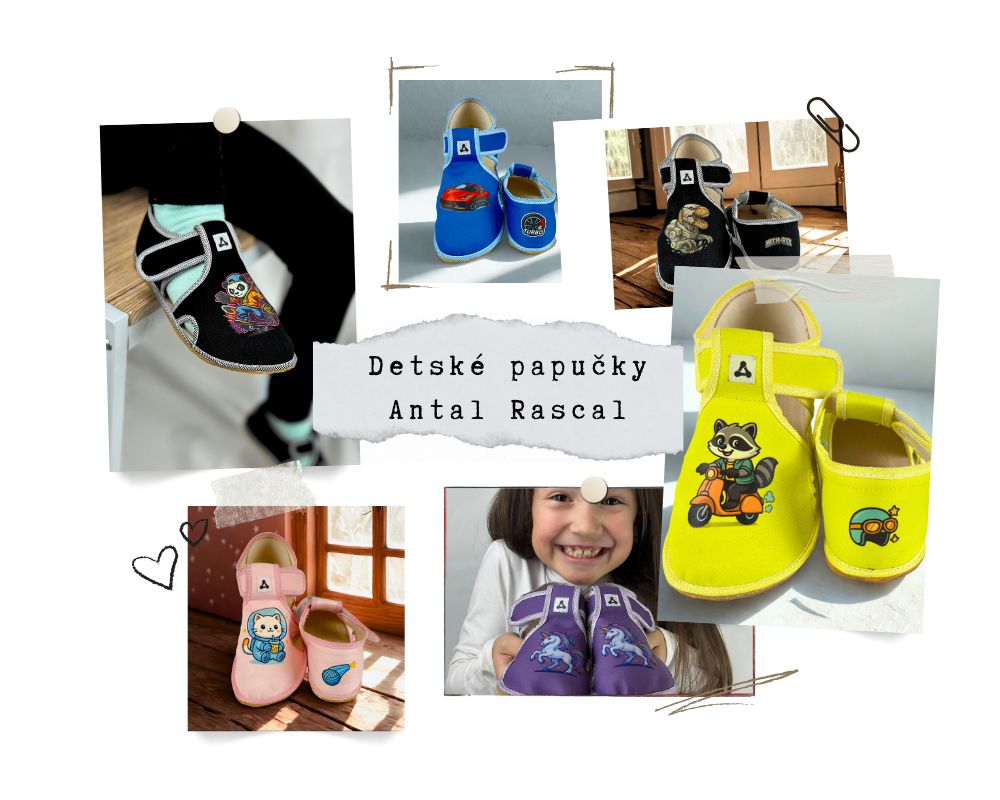
When choosing everyday indoor footwear, you can explore ANTAL children’s slippers and compare their dimensions with your child’s feet. Buying shoes alone does not guarantee an end to tripping.
Medical sources: NHS Wales – falls and trips in children; NHS Wales – choosing children’s footwear; NHS – limping and urgent symptoms.