
Heel pain in children: Sever’s disease and returning to sport

Sever’s disease, also called calcaneal apophysitis, is a common cause of heel pain in growing children. It involves irritation of the growing area of the heel bone from repeated loading, particularly running and jumping. Symptoms may worsen on hard surfaces or with intensive training. However, not all heel pain is caused by this condition.
What symptoms can occur?
Typical symptoms include pain in one or both heels during activity or after training, tenderness around the heel and relief with rest. Morning stiffness or a limp may also occur. Symptoms alone, or squeezing the heel at home, cannot confirm the diagnosis. A doctor will assess the cause through an examination and rule out other problems where necessary.
What may help at home?
- Adjust activity: temporarily reduce running, jumping and other activities that cause pain. Swimming or another gentler form of exercise may continue if it is pain-free and follows the advice of the professional caring for your child.
- Cooling: briefly applying a cold pack wrapped in a towel after activity may ease discomfort. Never apply ice directly to the skin.
- Exercises: once the pain has settled, a physiotherapist can show your child gentle calf stretches and suitable strengthening exercises. Work on landing technique only when movement is pain-free; your child should not practise jumps through pain.
- Footwear: well-fitting sports shoes with suitable cushioning and heel support may help. Flexibility alone, or a barefoot label, is not a treatment recommendation. When symptoms occur, footwear should be chosen to suit your child’s individual needs.
Returning to sport as symptoms allow
The pace of return depends on symptoms and the advice of the professional treating your child. A fixed number of days or the same percentage increase in training will not suit every child.
- First, your child should be pain-free at rest, during normal walking and through a full range of ankle movement, without limping.
- Then try short, gentle runs and gradually more demanding movement, provided it remains pain-free.
- Before returning fully, your child should also be able to run fast, jump and hop without pain. Introduce changes of direction and sport-specific movements gradually.
If pain returns, reduce the load and agree on the next steps with the professional caring for your child. The response after activity matters too, not just the ability to finish a training session.
When to seek medical advice
Seek urgent medical assessment if your child cannot put weight on the foot, has severe or rapidly worsening pain, has a deformity after an injury, or has a fever and feels generally unwell. Do not automatically attribute these symptoms to Sever’s disease.
Contact your child’s doctor for an unexplained limp, persistent or marked swelling, or pain that does not ease despite reducing activity or keeps returning. Do not wait a fixed number of weeks simply because the pain seems related to growth.
Frequently asked questions
Can a soft heel pad help?
A cushioned heel pad may reduce pressure and impact for some children. However, it does not replace adjusting painful activities or having an assessment. Its suitability and the space available in the shoe need to be considered individually.
Does my child need insoles or orthopaedic shoes?
Not automatically. Depending on the examination findings, a professional may recommend a heel pad, an insole or another footwear adjustment. Our article on orthopaedic shoes for children explains more.
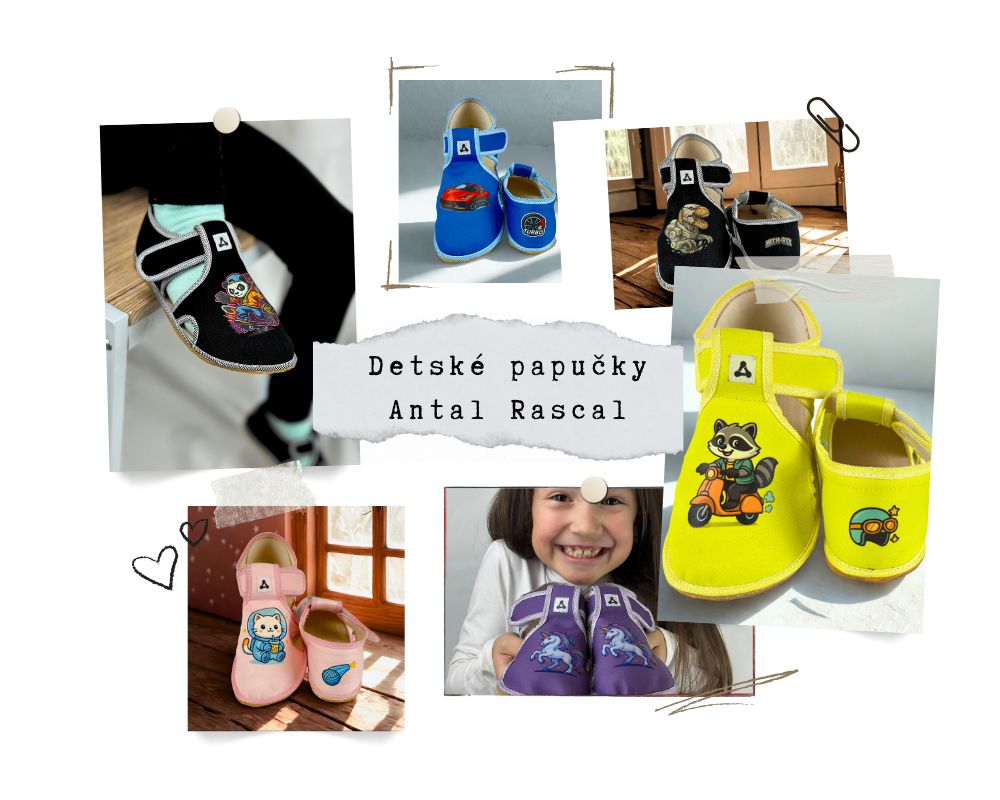
The aim is to return to suitable activity without pain. If you are looking for everyday indoor footwear, explore ANTAL children’s slippers. Choose according to your child’s foot measurements and any professional advice; slippers are not a treatment for Sever’s disease.
Medical sources: AAOS – Sever’s disease; Lurie Children’s – treatment and return to sport; Nemours KidsHealth – symptoms and care; NHS – limping and urgent symptoms in children.