
PE shoes for children: choosing for fit, activity and surface
Trainers for PE should suit what children are doing and the surface they exercise on. Running, jumping and changing direction call for a suitable sole, a secure fit and comfort. Before buying, check the school's rules and the teacher's requirements; one shoe design may not suit every sport.
Grip and soles for different surfaces
For indoor sports, choose footwear intended for the surface; the school may require a clean, non-marking sole. The colour of the rubber alone does not prove its properties. Check for wear and dirt, and consider the condition of the floor, because no sole guarantees safe footing in every situation.
Outdoors, consider whether the surface is asphalt, a synthetic track or a playing field, as well as the activity. If your child regularly trains in one sport, ask their coach about suitable sports footwear. Running shoes may not meet the demands of frequent sideways movements indoors.
Flexibility, profile and cushioning
Appropriate flexibility at the forefoot may help with pushing off, but assess the whole shoe during movement. Having no height difference between the heel and forefoot does not itself guarantee stability, and a higher or cushioned sole does not automatically mean poor technique.
The support and cushioning needed depend on the sport, the surface and your child's needs. AAOS distinguishes between shoes for running and indoor court sports; the AAP notes that some feet need more support or cushioning. Suitability is not determined solely by softness, thickness or a marketing label.
A good fit and secure fastening
Have your child try on both shoes with the socks they will wear for exercise. Check length, width and toe room. The heel and instep should be held securely without pressure, and the foot should not slide around noticeably. Secure the laces or other fastenings properly.
Let your child walk around and, in a safe place, try ordinary movements suited to their age and abilities, such as a squat or a gentle hop. Stop the trial if there is pressure, pain or uncertainty. If they use a prescribed insole or other device, try the footwear with it, following professional advice.
Trying new footwear gradually
First try a new model during a short, easy activity. Adjust the duration and intensity to your child's response; there is no universal plan of “one week for warm-ups, then a full PE lesson”. Breaking shoes in will not correct the wrong size. A teacher or coach teaches technique, and exercise should not continue through pain. Discuss persistent or recurring problems with your child's doctor.
Frequently asked questions
Are thick “anti-shock” heels necessary?
Not as a universal requirement. Cushioning may be useful depending on the activity and the child; the name of a system is not decisive. Good technique does not replace suitable shoes or an appropriate level of activity.
Can one pair be used indoors and outdoors?
Only if it suits both activities, both surfaces and the school's rules. Dirty or unsuitable soles should not be used in the sports hall; a separate clean pair may be more practical.
What about sweaty feet?
Check how well the shoes air, choose suitable socks and change them when damp. Let footwear dry according to the manufacturer's instructions. Our article on sweaty feet in children explains more.
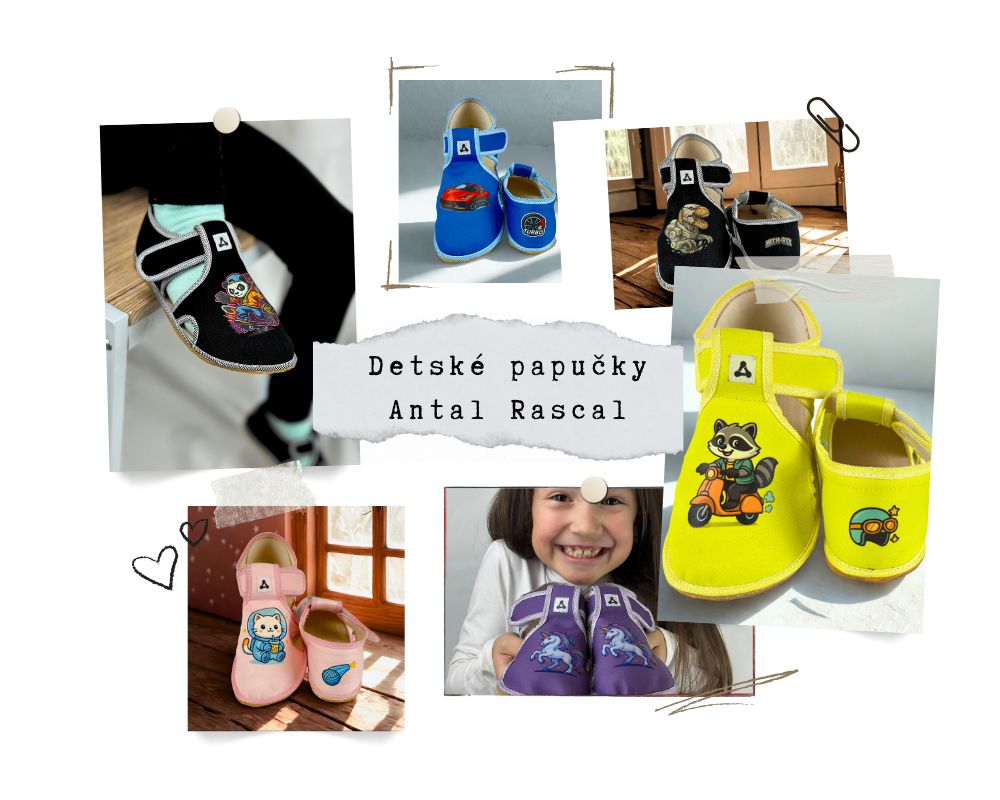
For changing into everyday indoor footwear in the classroom after exercise, you can browse ANTAL children's slippers. For PE, choose shoes according to their intended use and the school's requirements.
Reference sources: AAOS – athletic shoes; Dorset NHS – footwear for children; AAP – footwear and safety in indoor court sports; AAP – activity levels, support and cushioning.