
First shoes and children’s foot arches: when to wear shoes or go barefoot
First shoes should primarily protect the feet and fit comfortably. Low arches are common in young children, and their appearance changes as children grow. According to AAOS, some children do not develop a more visible arch until around five years of age or later; in others, it remains low. Appearance alone therefore does not mean a shoe needs to “shape” the foot.
When a child needs their first shoes
A child learning to walk at home can go barefoot if the surface is safe and the temperature comfortable. If socks are needed, they should fit and provide grip on that surface. Outdoors, shoes should protect against cold, hot or rough surfaces and injury. The child's readiness and surroundings matter, rather than a fixed age for buying shoes.
Give your child opportunities to crawl, pull up, take first steps and play according to their abilities. There is no need to hurry walking or promise that a particular shoe type will create an arch.
What to look for in first shoes
Choose a comfortable model of an appropriate weight, with room for the toes and a sole suited to the surface. Suitable flexibility when pushing off is useful, but it is not the only criterion. The shoe should match the foot's length, width and volume; a “wide toe box” label alone is not enough.
The fastening should hold the heel and instep without pressure. Having no height difference between the heel and forefoot is not a universal requirement for a healthy arch. Nor does a firmer heel counter, by itself, prove that development is being harmed. If your child uses a prescribed device, discuss the model's suitability with a professional.
Trying shoes on with a toddler
Measure both feet and compare them with the model's internal dimensions. Have your child try both shoes on with the socks they will wear inside them. Let them walk a short distance and make movements they can already manage safely, such as a squat. Try a step only if they routinely manage one, with an adult and the support they need.
Stop if there is pressure, pain or uncertainty. Check for heel slipping, toe room and pressure marks. A change in walking can have more than one cause; it does not automatically mean the sole is too stiff. Check the size regularly as your child's feet grow.
What to avoid
Do not buy a tight or noticeably oversized pair, or rely on breaking shoes in to correct the wrong size. Do not add arch supports solely because a foot looks flat. Equally, do not remove prescribed or recommended insoles or support on your own; the individual findings and symptoms matter.
Parents' questions
Do young children need arch support?
Painless flexible flat feet usually need no treatment. A doctor should assess pain or stiffness and may recommend insoles to ease symptoms. Our article on pronation and supination in children explains the context.
How long should a child go barefoot?
There is no compulsory daily amount. Let comfort, surface safety, temperature and any professional recommendations guide you. Going barefoot does not replace necessary treatment.
What if my child trips in their shoes?
Check the dimensions, socks, fastenings and obstacles nearby. Contact your child's doctor if tripping persists, or if there is pain, a limp or a marked difference between the two sides. See our article on why children trip for other things to observe.
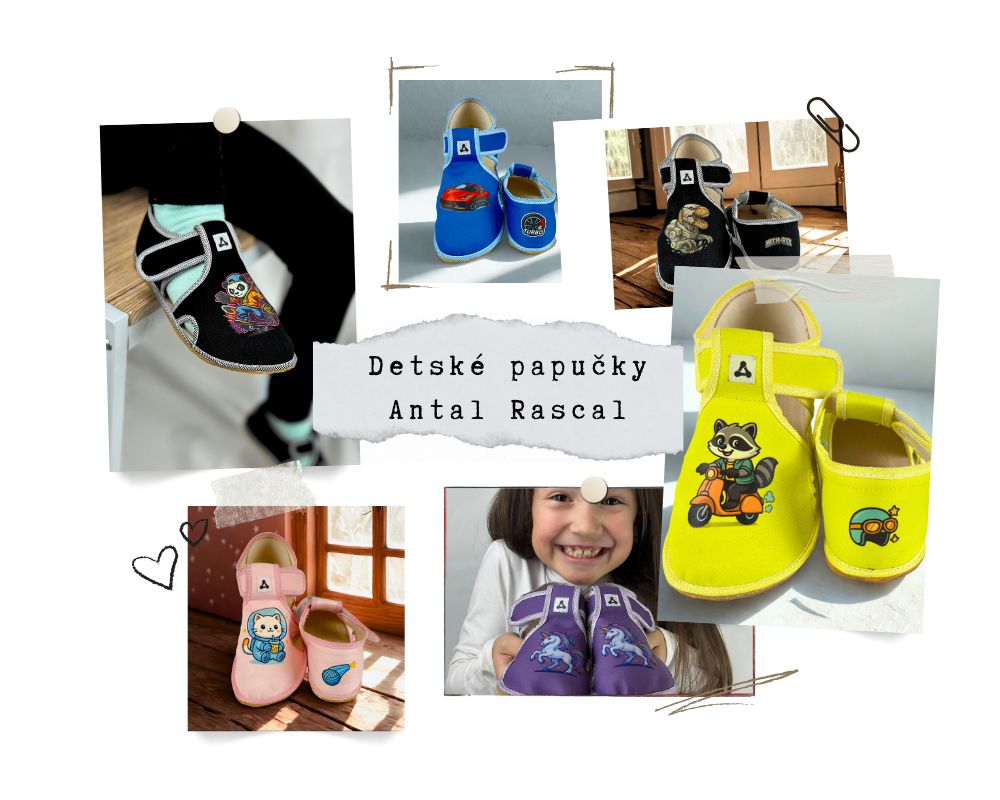
If your child needs everyday indoor footwear, you can browse ANTAL children's slippers and compare each model's dimensions with their feet. Follow professional instructions if treatment has been recommended.
Reference sources: AAOS – flexible flatfoot in children; NHS – learning to walk and first shoes; AAP – shoes for toddlers.