
Flat feet in children: myths, facts and when to seek advice
Low arches are common in young children, and their appearance changes as children grow. What matters is whether a child can walk and play without pain or limitations. According to AAOS, painless flexible flatfoot generally does not need treatment; a footprint or photograph alone cannot establish which type a child has.
Myths and facts about flat feet
“Walking barefoot causes flat feet.” On a safe surface at a comfortable temperature, barefoot movement can be part of play. It is not, however, a guaranteed treatment or a way to ensure an arch develops.
“The heel always needs firm support.” The support needed depends on symptoms and what the shoes will be used for. A firmer heel counter does not, by itself, mean muscles are being harmed; do not change a prescribed device on your own.
“Insoles solve everything.” They are not a universal preventive measure. When symptoms are present, they may help relieve pain or fatigue, but a change in foot shape cannot be promised.
What you can notice at home
Look for differences between the two sides, changes in walking, limping, pain, unusual fatigue, frequent tripping or reluctance to move. Note when and under what circumstances symptoms occur. Heel position or shoe wear patterns are not diagnostic tests you can use on their own at home.
Movement and games suited to your child's abilities
Offer walking on safe grass or carpet, simple balance games or stepping over a low, stable obstacle. Choose movements your child can manage safely, with supervision and support if needed. For toe games, use a larger piece of fabric instead of small objects; equipment should be suitable for the child's age.
Enjoyment matters more than performance. Stop if there is pain or unsteadiness. These games do not replace an assessment or individual exercises recommended by a physiotherapist, and they do not guarantee changes to the arch.
Shoes for comfortable everyday movement
Compare the length, width and volume of both feet with the particular shoe model. Toes need room, the fastening should hold the foot without pressure, and the sole should suit the surface and activity. Flexibility is one consideration; zero drop is not a universal requirement for a suitable shoe.
Check the size regularly. At nursery or school, also keep an eye on moisture, let shoes dry according to the manufacturer's instructions and replace wet socks. Less sweating alone does not prove there is less fatigue. For more on trying shoes on, see our article on first shoes and foot arch development.
When to seek professional advice
Contact your child's doctor if there is persistent pain, stiffness, marked asymmetry, a newly flattened arch on one side or problems with walking and balance. They can assess whether further examination by a paediatric orthopaedic specialist or physiotherapist is needed.
Seek urgent medical help if your child cannot put weight on the leg, the limb has an obvious change in shape, or foot or leg symptoms occur together with a fever and your child is generally unwell. Do not put these signs down to ordinary flat feet.
Parents' frequently asked questions
Can an insole “correct” a flat foot?
When appropriately indicated, insoles may relieve symptoms, but they do not guarantee an arch will develop. An assessment determines whether they are suitable. Our article on orthopaedic shoes for children explains related questions.
Can my child take part in sport?
Painless flexible flatfoot does not usually prevent sport. Match the activity to your child's age, abilities and comfort. Stop if there is pain or limping and seek medical advice; follow any restrictions that have been recommended.
When is a flat appearance still common?
Arch development varies, and an arch may remain low without causing symptoms. There is no single age that lets you decide at home whether a child is healthy or has a condition. Function, symptoms and an assessment when needed are what matter.
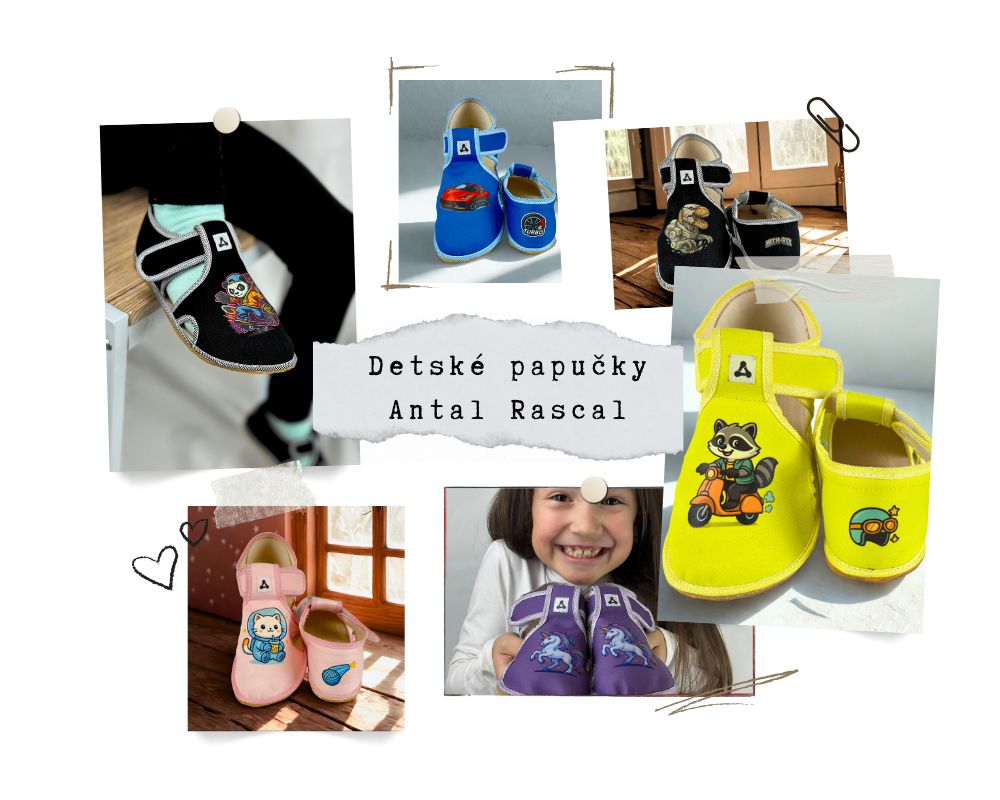
For everyday indoor footwear, you can browse ANTAL children's slippers and compare the model's dimensions with your child's feet. Follow your professional's advice on any recommended treatment.
Expert sources: AAOS – flexible flatfoot in children; NHS – flat feet; NHS – limping in children.