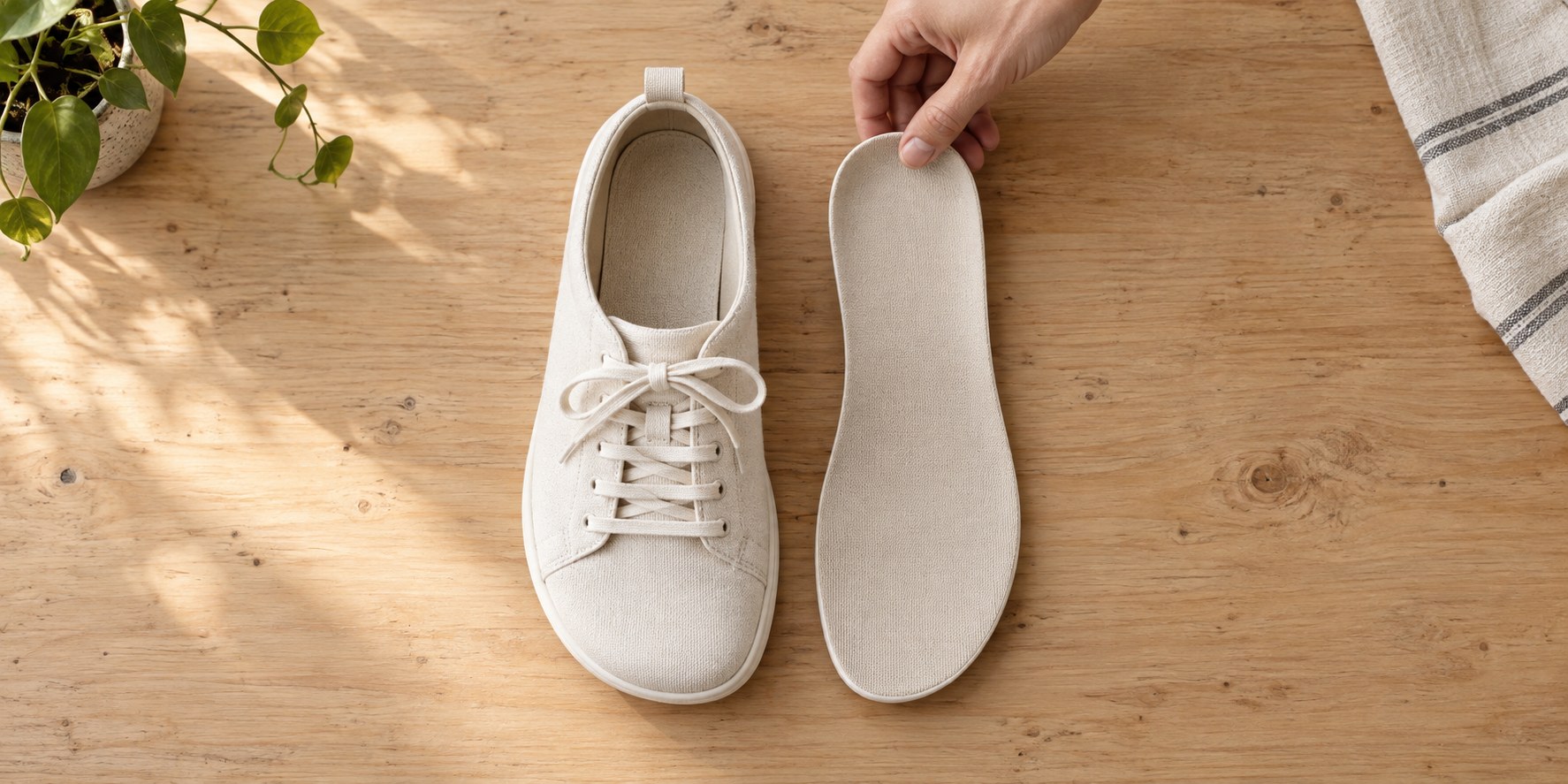
Insole Sliding Forward in Your Shoe? Check Fit Before Gluing
An insole that creeps toward the toe can bunch up and change how a sneaker feels underfoot. Before reaching for glue, work out whether the insert itself moves or your foot is slidi...
We use cookies to make browsing our website comfortable and, through analysis, continuously improve its features, performance and usability. More information

An insole that creeps toward the toe can bunch up and change how a sneaker feels underfoot. Before reaching for glue, work out whether the insert itself moves or your foot is slidi...
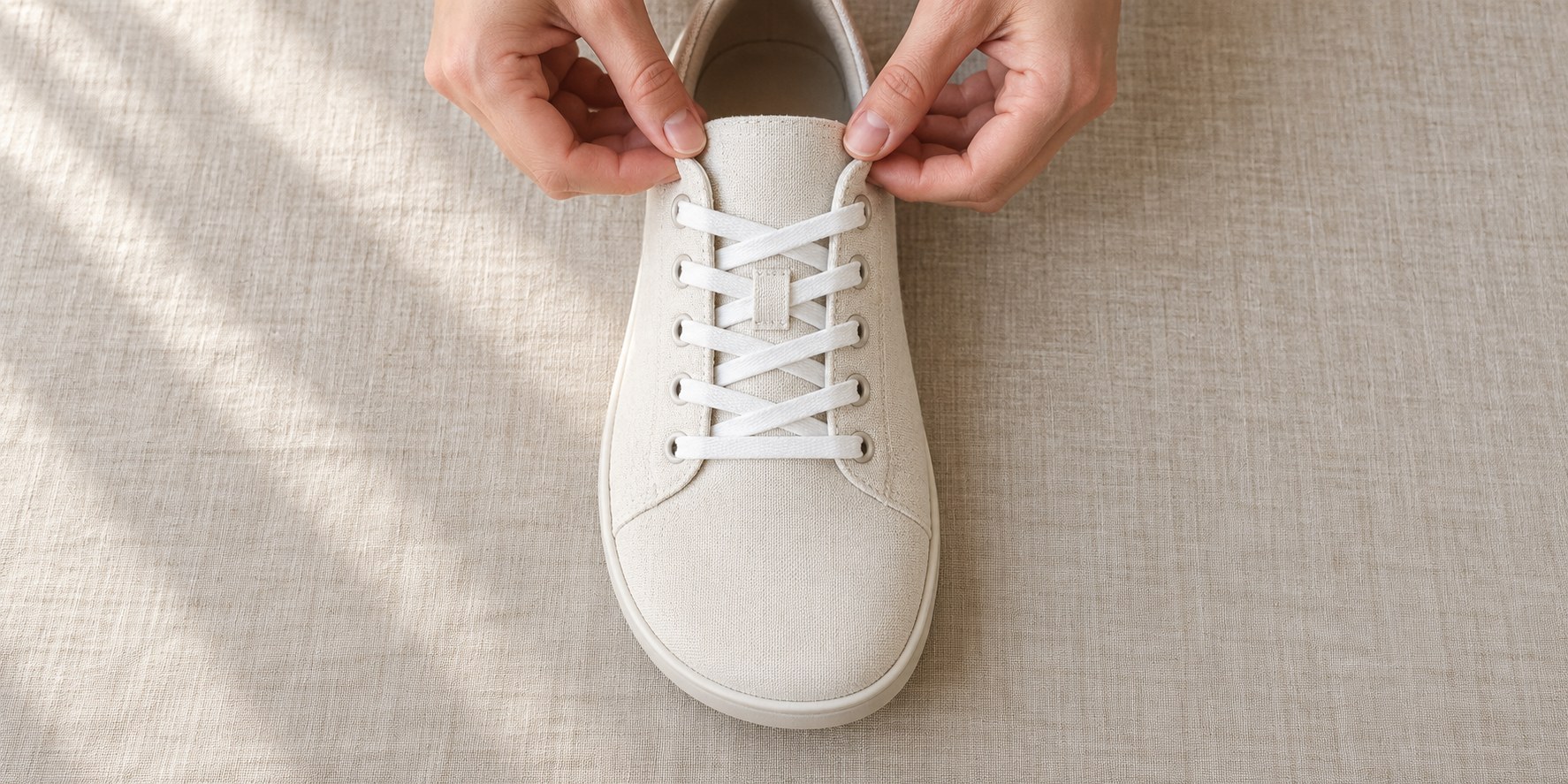
If the tongue of your sneaker slips to one side after a few steps, the laces may start pressing directly on your instep. Before changing the shoe, check whether both sides are pull...

Even leather barefoot sneakers can smell after a long day. Start with moisture inside the shoe and the condition of the insole. Fragrance alone rarely solves a damp interior. A si...
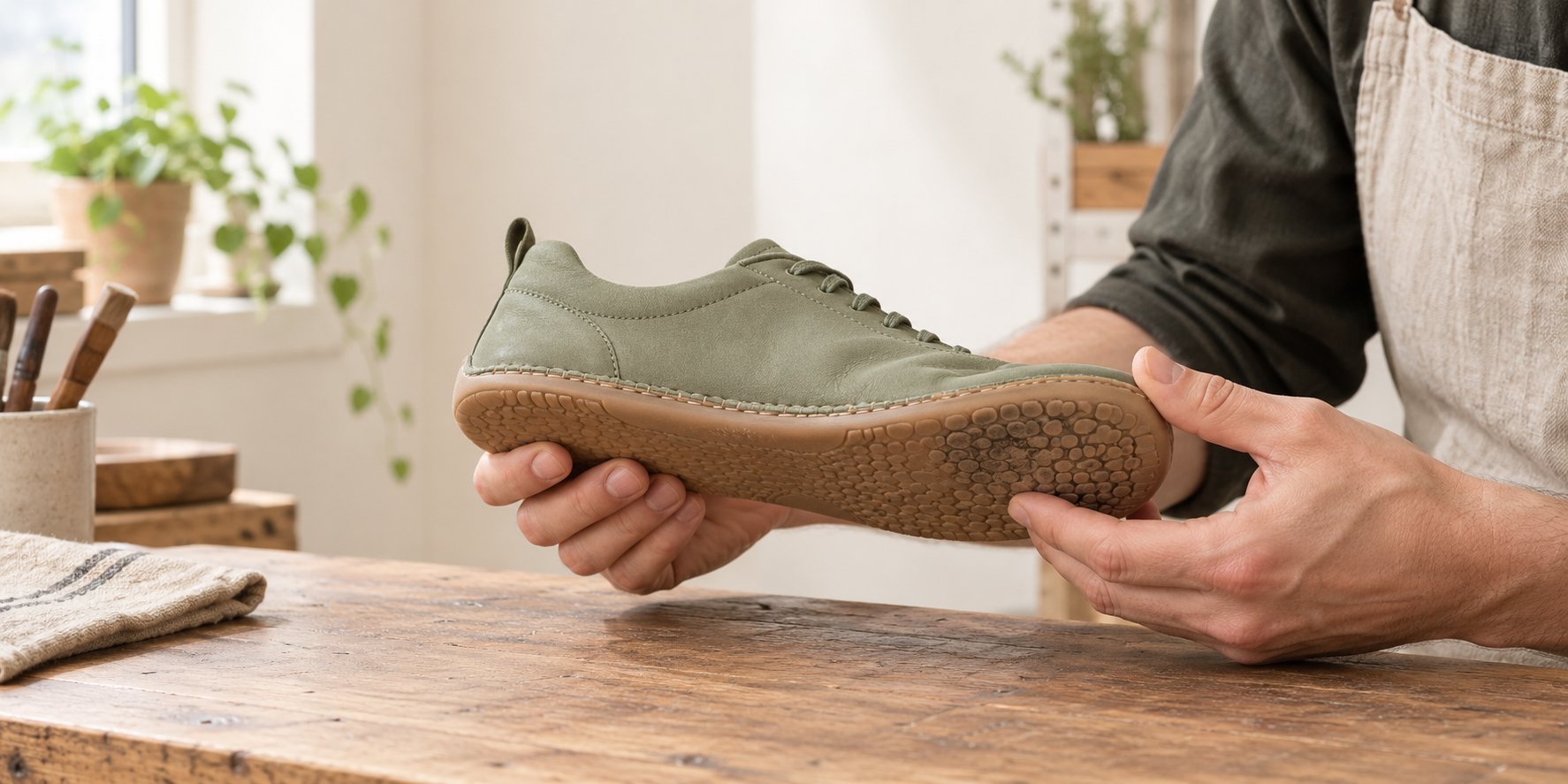
A worn outsole does not automatically end the life of your favourite barefoot sneakers. Whether a cobbler can reattach or replace it depends on the shoe’s construction and the cond...
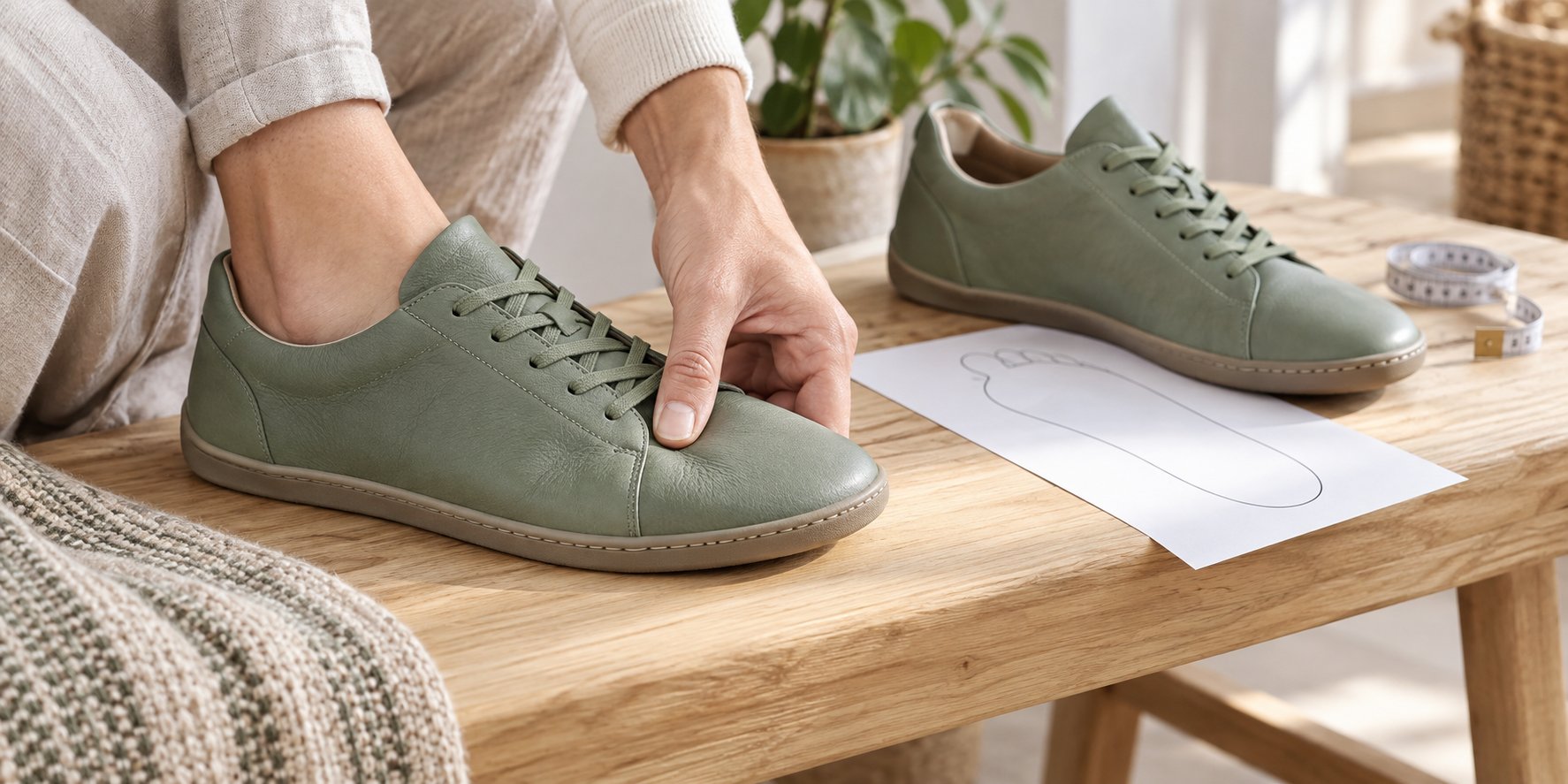
“They will stretch” is tempting advice when new shoes feel tight. A leather upper can soften and give a little where it bends. It cannot reliably add missing shoe length or change ...
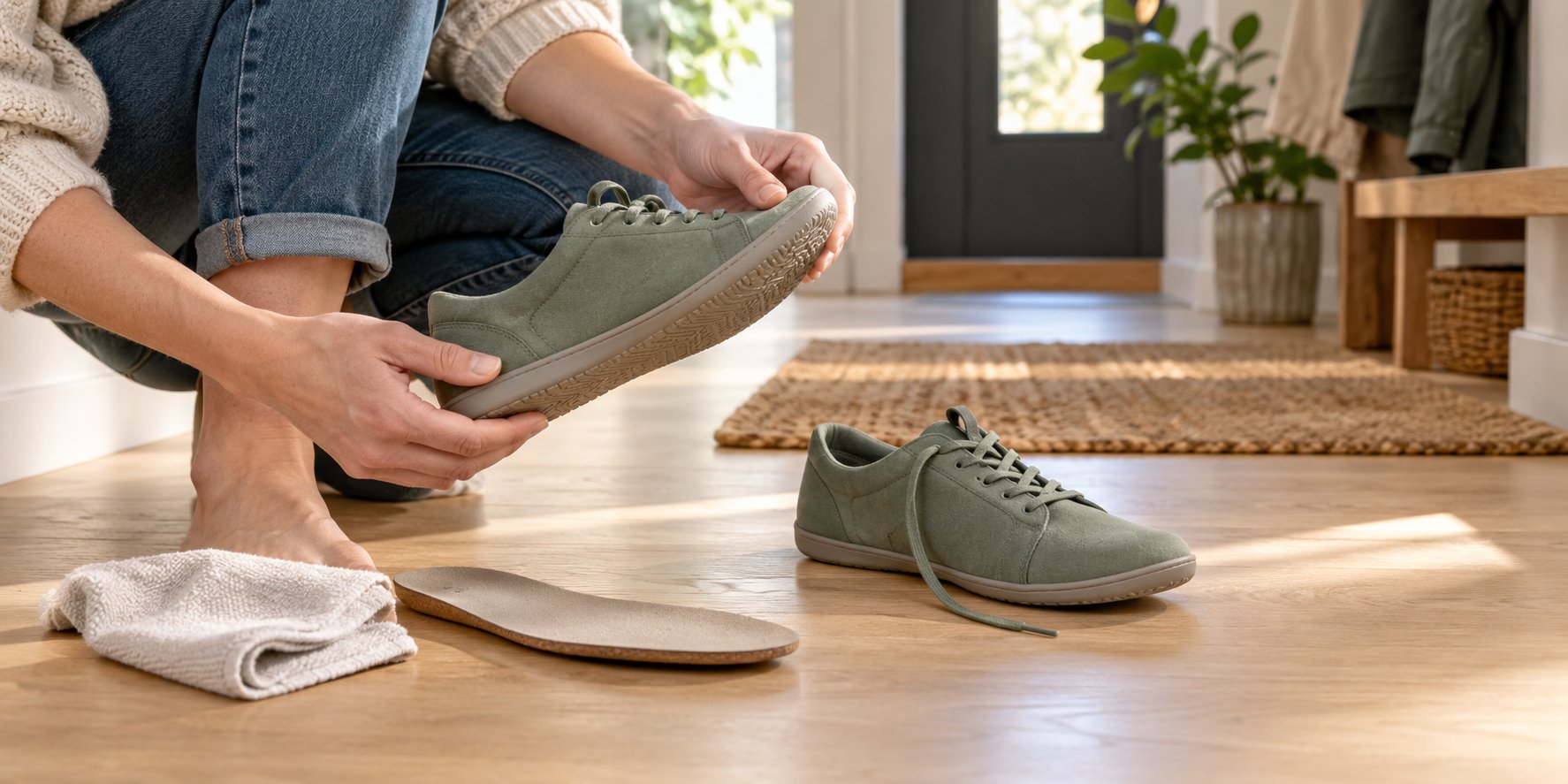
A squeak does not automatically mean your barefoot shoes are faulty. It may come from the outsole against a smooth floor, moisture inside the shoe or two parts rubbing as the shoe ...
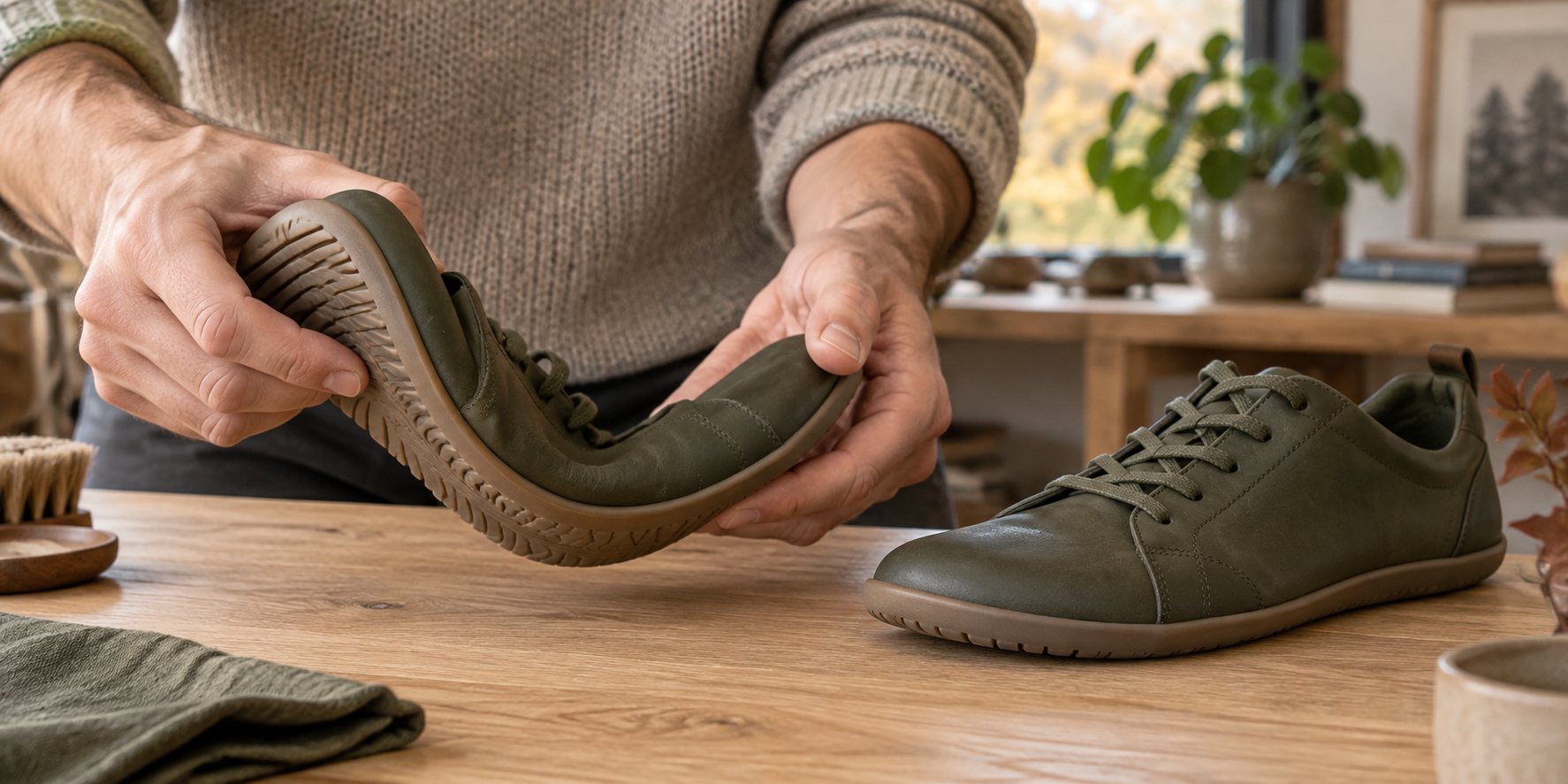
A barefoot shoe listing may say 4 mm, 6 mm or another figure. Before comparing numbers, check what was measured. An outsole, its tread and any layer under your foot can be describe...
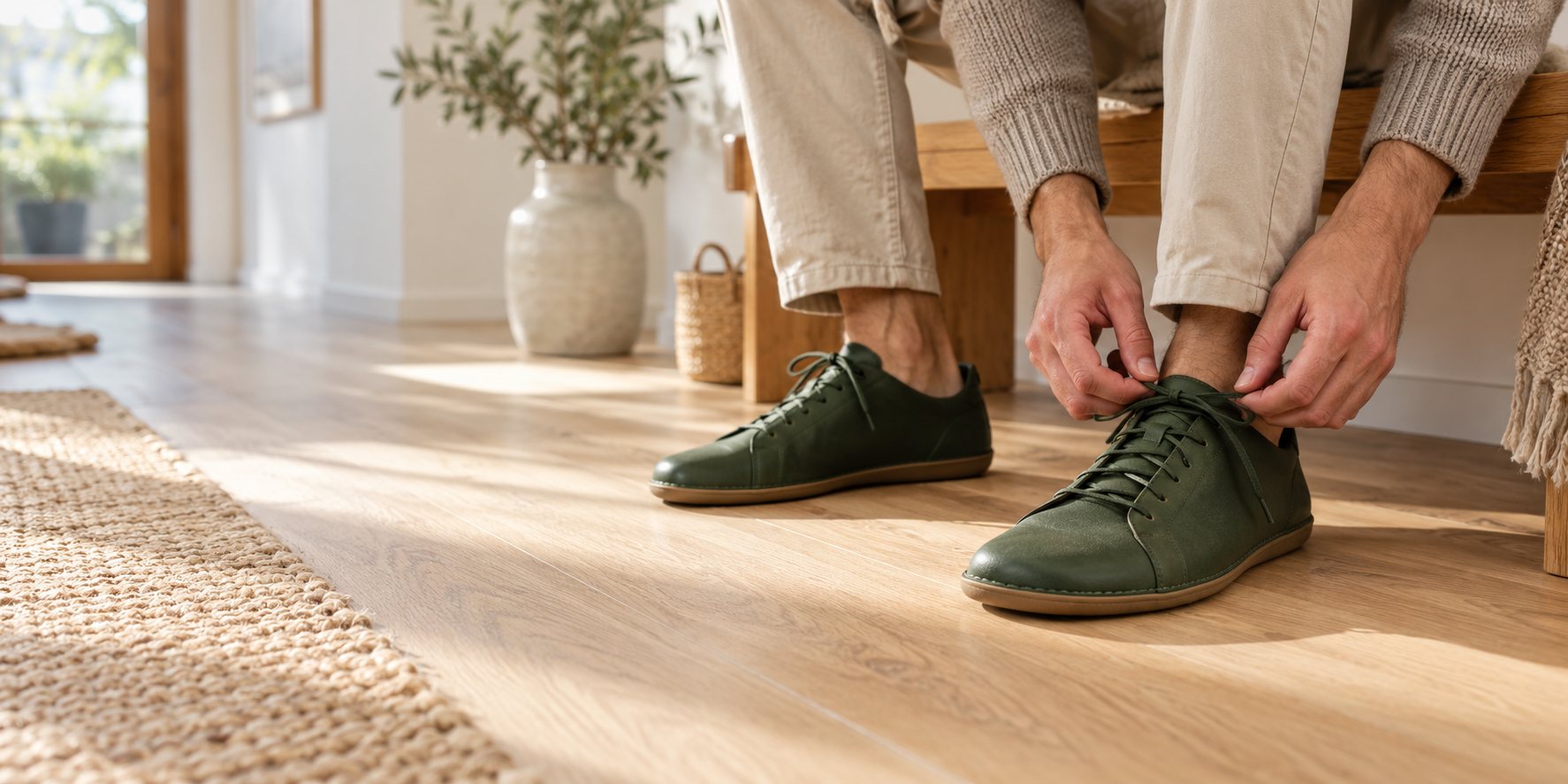
A roomy toe box should let your toes move, but it should not force you to grip the shoe just to keep it on. If the heel lifts as you walk, start by working out whether you feel a l...
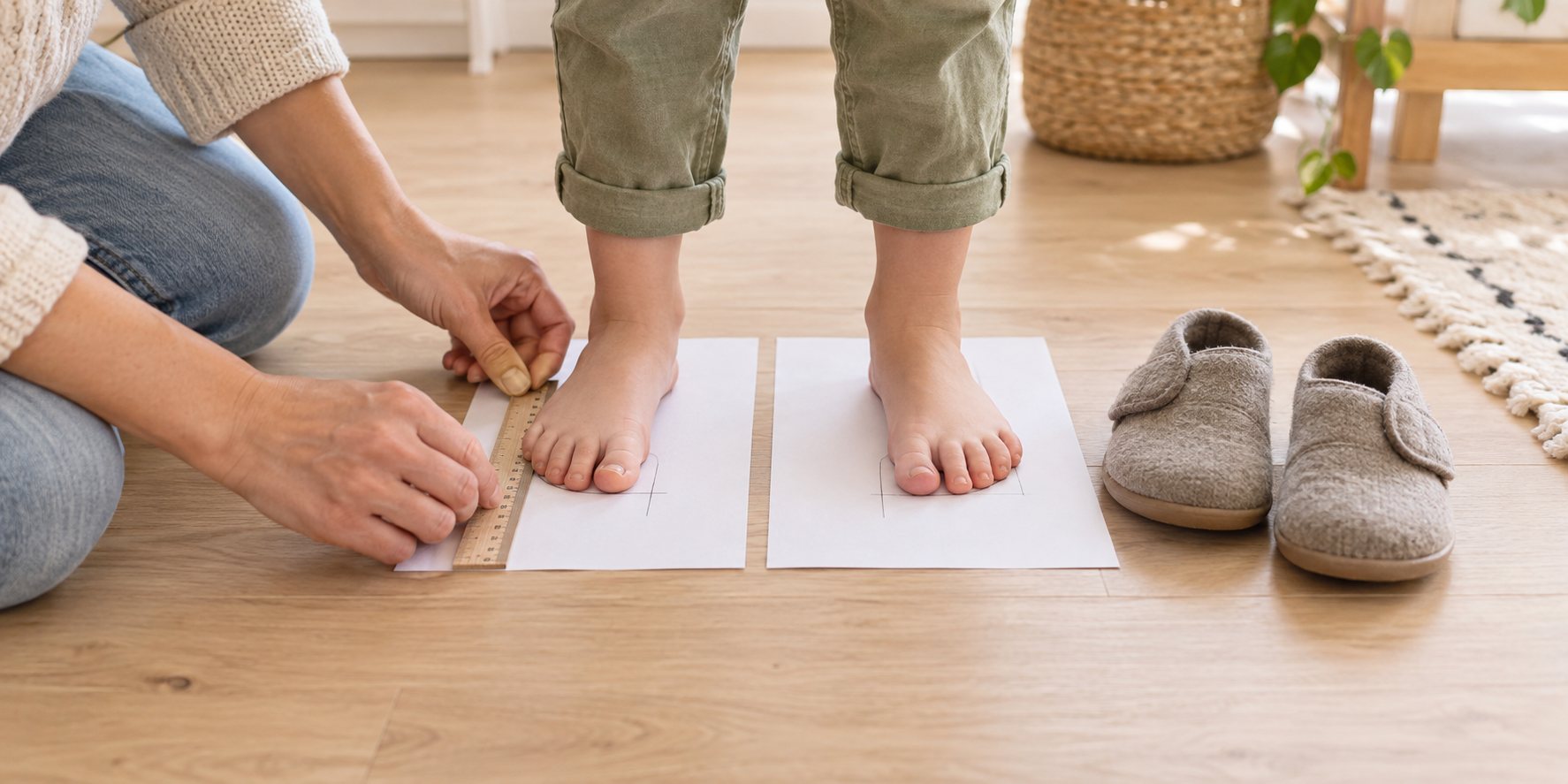
Have you measured both of your child’s feet and found different lengths? A small left-to-right difference is common. The useful question when buying slippers is whether the longer ...
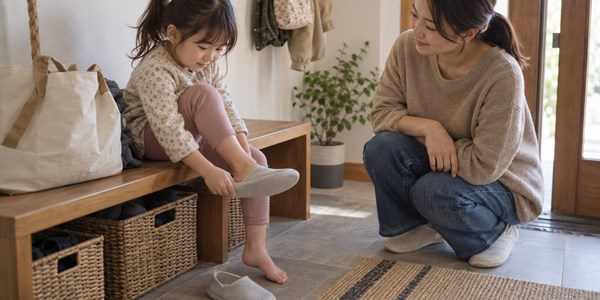
Do not overlook repeated foot pain after nursery. Slippers may be small or poorly shaped, but pain can have other causes. A new pair is not a substitute for assessment when symptom...
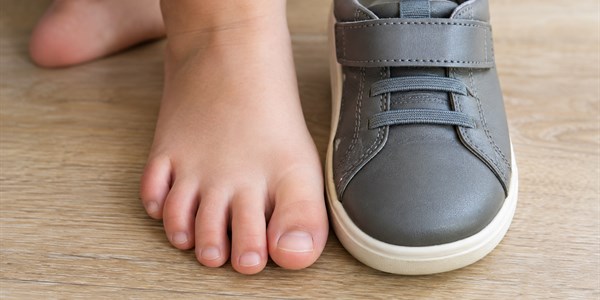
A tight or narrow shoe can press on the edge of a toenail, but it is not the only possible cause of an ingrown nail. Nail cutting and injury can also matter. Do not try to solve a ...
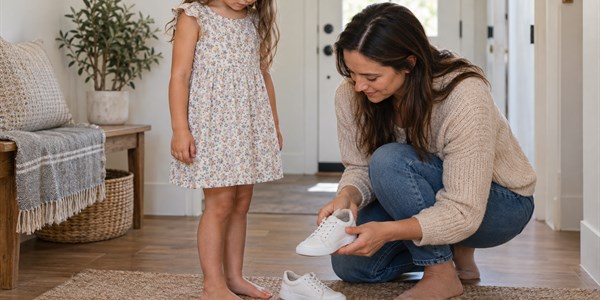
Do not assume a limp is caused only by new shoes. Pressure or rubbing can change a child’s walk, but the cause may be elsewhere. An unexplained limp should be assessed by a clinici...
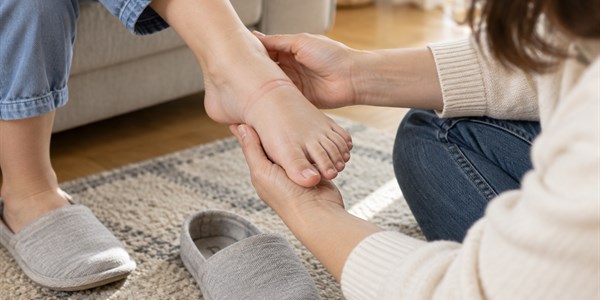
A red mark shows where a shoe touches the foot, but does not by itself identify the cause. Notice whether it fades quickly, hurts or returns in the same place. Stop using a pair th...
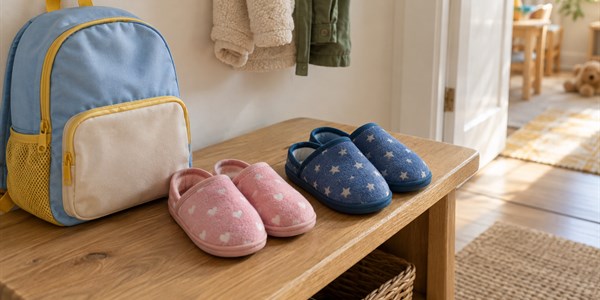
One pair may be enough if it meets nursery rules and you can keep it clean and dry every day. Two pairs are often more practical when slippers stay at nursery. Start with the nurs...
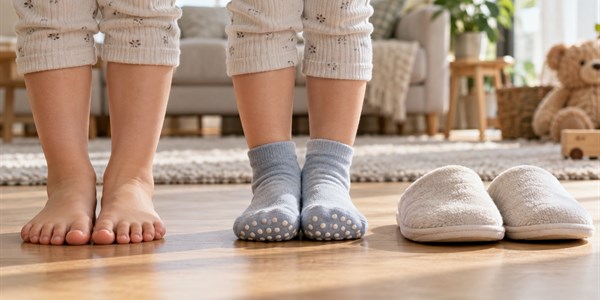
There is no single footwear choice for every child at home. Cleanliness, temperature, floor surface and activity matter. Watch how your child moves in each option. When bare feet ...

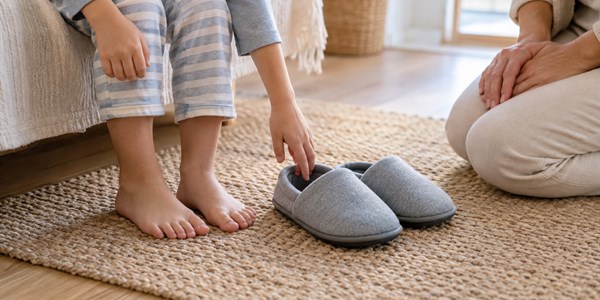
Putting on slippers is easier when the pair fits and opens wide enough. A low stable seat, enough time and an age-appropriate fastening all help. Practise one step at a time Pl...

Refusing slippers is not always a matter of preference. A child may feel pressure, heat or insecurity while walking but struggle to explain it. Look for a cause before ordering ano...
Follow the care instructions for the exact pair of children’s slippers. Leather, textile, adhesives and footbeds tolerate moisture differently. Soaking or strong heat can damage th...
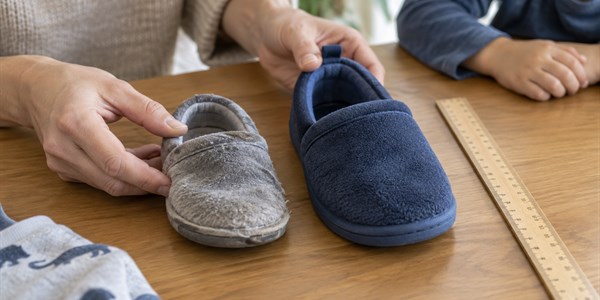
Replace children’s slippers before they cause pain. Young children may not describe discomfort clearly, and feet do not grow at a steady rate. Check the fit as well as the shoe’s c...
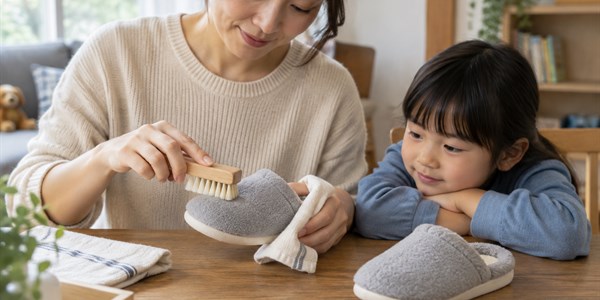
Choose the material according to where and how long your child wears the slippers. Both leather and textile can feel comfortable when the length, toe shape and fastening fit proper...