
Barefoot shoe care: cleaning, waterproofing and maintenance
The lifespan of barefoot shoes depends on more than price or a material label. Regular dirt removal, slow drying and a treatment suited to the upper all matter. Always read the car...
We use cookies to make browsing our website comfortable and, through analysis, continuously improve its features, performance and usability. More information

The lifespan of barefoot shoes depends on more than price or a material label. Regular dirt removal, slow drying and a treatment suited to the upper all matter. Always read the car...

Barefoot shoes are often described in absolute terms: they supposedly always cause harm, or they cure almost every problem. Neither extreme reflects the evidence. The particular mo...

Barefoot shoes may provide more toe room, a smaller heel-to-toe height difference and a stronger sense of the ground. This does not mean they automatically strengthen the arch, cor...
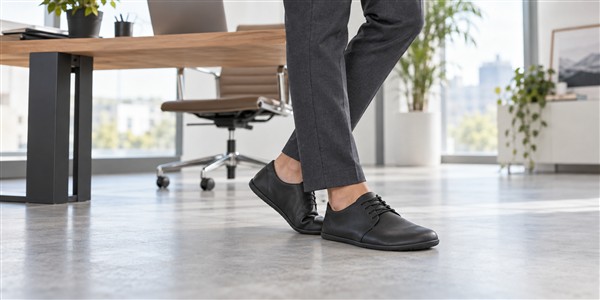
Barefoot shoes can be a comfortable office option when the specific pair fits well, follows workplace rules and suits the floors and activities of the day. The barefoot label alone...

There is no single required foot strike or universal technique for walking in barefoot shoes. Speed, surface, anatomy, strength, pain and previous footwear all influence a person's...

Spring and summer place different demands on footwear: wet pavements and mud matter one day, heat, long walks or hot surfaces the next. The barefoot label alone does not show wheth...

Minimalist shoes can be a comfortable option for some older adults when the individual pair fits well and suits their balance, foot sensation, strength and walking surface. Age alo...
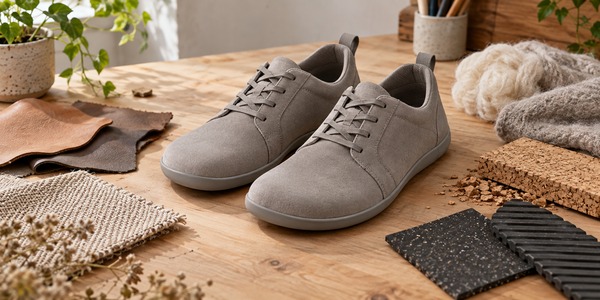
Materials affect comfort, care and a shoe’s environmental footprint, but labels such as natural, recycled or vegan do not prove sustainability on their own. The full life cycle mat...

Barefoot walking places the skin directly on the ground. Minimalist shoes add protection while aiming to preserve more room and movement for the foot. Neither option automatically ...

Running barefoot and running in minimalist shoes are not identical, although both change how the foot meets the ground. Neither automatically prevents injury, fixes every runner’s ...

Hiking barefoot or in minimalist footwear can increase contact with the ground, but it does not automatically improve stability, posture or injury prevention. In the mountains, exp...

Plantar fasciopathy usually causes pain under the heel or along the arch. It is often strongest during the first steps after sleep or prolonged sitting and may worsen after long pe...

The foot arch is not a rigid curve with one correct shape. Its height and flexibility vary between people and change naturally under load. Barefoot shoes may increase demand on foo...

Pregnancy can change foot size and shape, cause swelling and affect balance. Barefoot shoes cannot be universally recommended or rejected for every expectant mother. Comfort, stabi...

There is no single timetable for changing to barefoot shoes. Your previous footwear, usual activity, health and the difference between the old and new pair all matter. Mild unfamil...
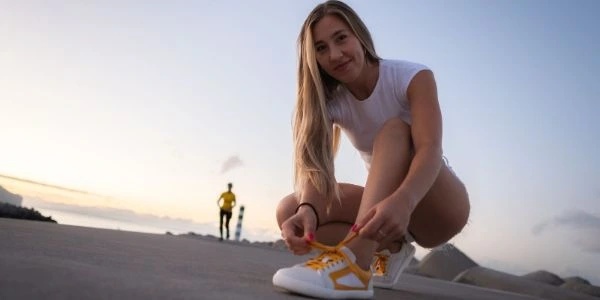
Foot exercises can help you practise toe movement, muscle control and balance. They are not, however, a universal treatment for flat feet, heel pain or bunions. The causes of sympt...
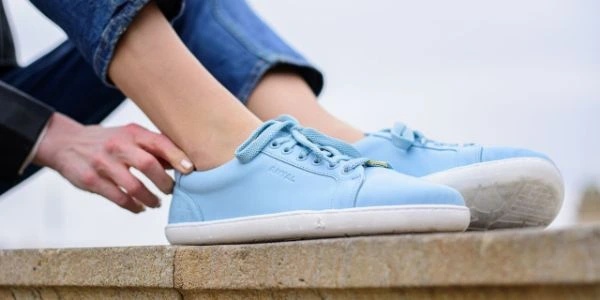
If you have foot pain or questions about your arches, the decision involves more than choosing between orthotic insoles and barefoot shoes. An orthotic is a device with a specific ...
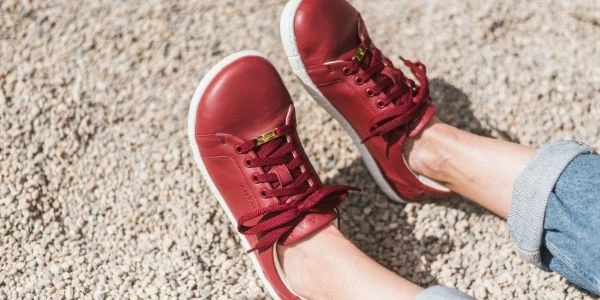
Barefoot shoes can be one option for a school-age child if the particular style fits well and suits the activity and the school's rules. The label “barefoot” alone does not guarant...
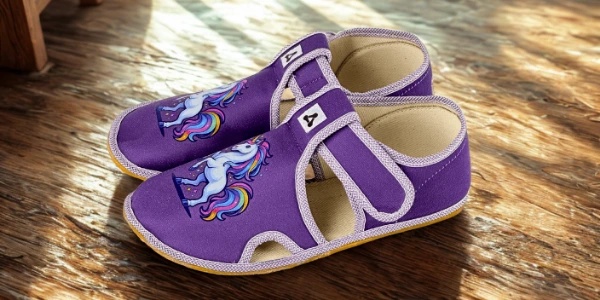
Measuring at home can help you choose a shoe size, but the measurements alone cannot guarantee that a particular style will fit. You need paper, a ruler, a pencil and a calm child....
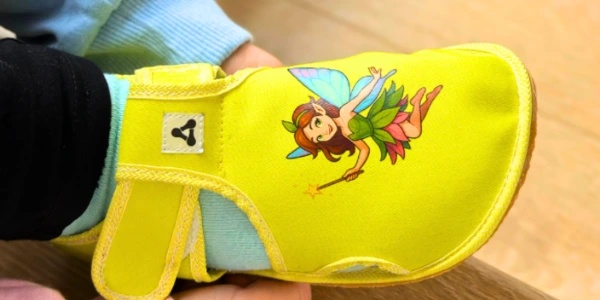
What to check with the nursery Before buying indoor shoes for nursery, ask about the requirements of that particular setting. The rooms, activities and what your child can manage ...