Indoor shoes for school: fit, safety and everyday care
In classrooms and corridors, children need comfortable indoor shoes for school that fit and meet the school's rules. For PE, choose footwear designed for the sport and surface, fol...
We use cookies to make browsing our website comfortable and, through analysis, continuously improve its features, performance and usability. More information

In classrooms and corridors, children need comfortable indoor shoes for school that fit and meet the school's rules. For PE, choose footwear designed for the sport and surface, fol...
Low arches are common in young children, and their appearance changes as children grow. What matters is whether a child can walk and play without pain or limitations. According to ...
First shoes should primarily protect the feet and fit comfortably. Low arches are common in young children, and their appearance changes as children grow. According to AAOS, some c...
Trainers for PE should suit what children are doing and the surface they exercise on. Running, jumping and changing direction call for a suitable sole, a secure fit and comfort. Be...
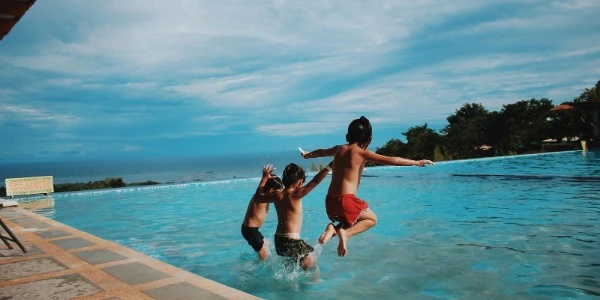
Children's feet may sweat more in hot weather, during activity or after long periods in closed shoes. Moisture and odour are nothing to be ashamed of, and neither is a diagnosis in...
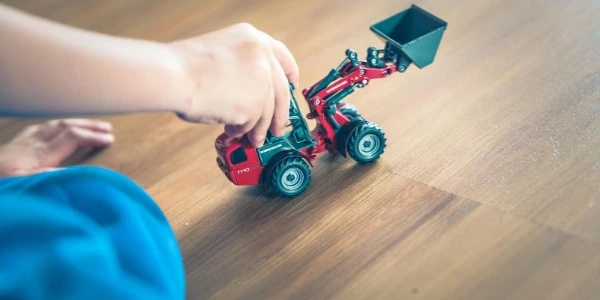
When a child walks on tiptoes, their heels do not touch the floor or make very little contact with it. Brief episodes occur particularly when children are learning to walk. Notice ...
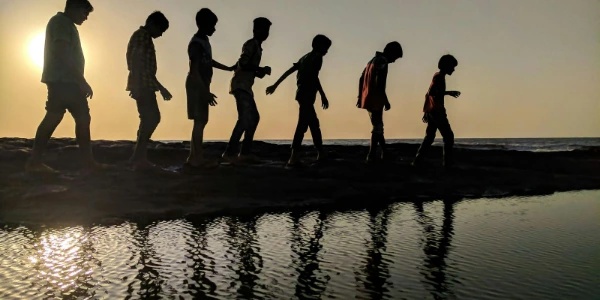
Heel valgus and knock knees are not the same thing. With a valgus heel, the heel tilts outwards from the line of the lower leg when viewed from behind. This may occur with a lower ...
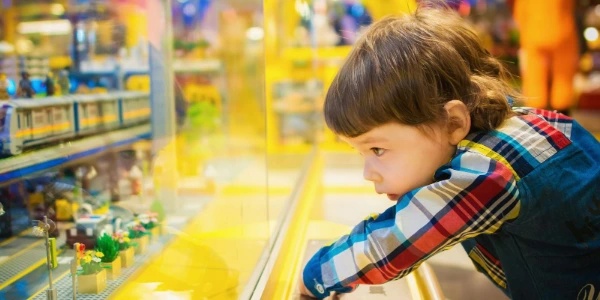
Looking at their child’s feet, parents may notice ankles leaning inwards or more weight being placed along the outer edge of the foot. Appearance alone does not establish a diagnos...
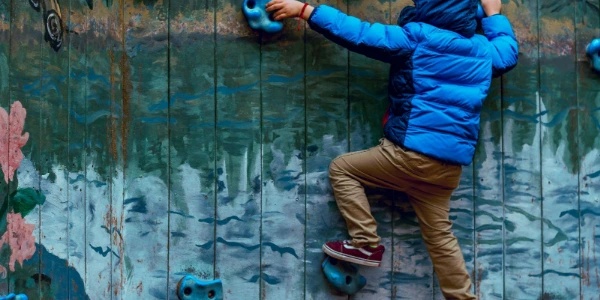
An occasional trip is part of learning to walk, run and negotiate obstacles. As children grow, they adapt their movements to changing body proportions and more demanding tasks. Foo...
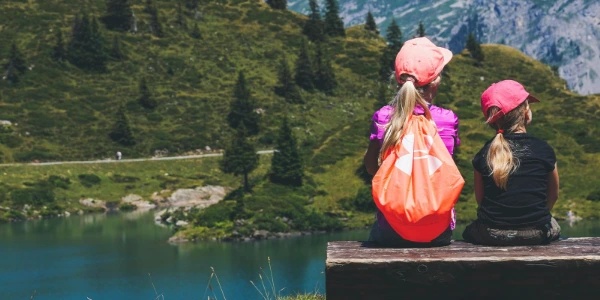
Sever’s disease, also called calcaneal apophysitis, is a common cause of heel pain in growing children. It involves irritation of the growing area of the heel bone from repeated lo...
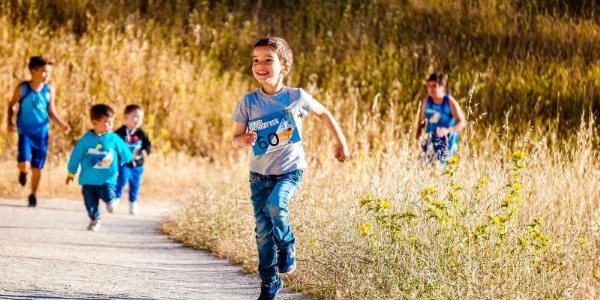
When choosing children’s sandals for summer, check toe room, how securely they hold the foot and comfort during movement. Try the sandals on both feet rather than relying only on t...
Children’s rain boots, often called wellies, are useful for rain, puddles and mud. Whether they are suitable depends on the particular model, its size and the activity you have pla...
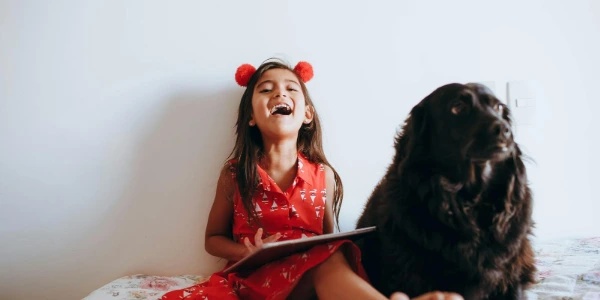
Children switch between walking, running and exploring when they are out on a trail. Their hiking shoes need, above all, to fit well and suit the route. A lighter shoe may work on ...
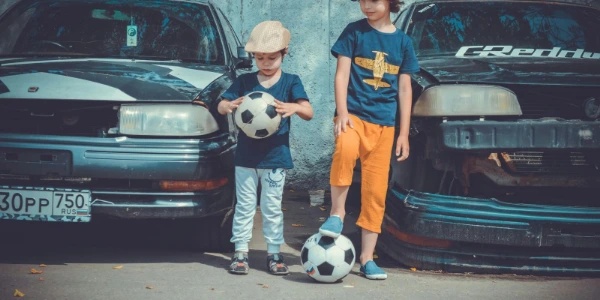
Children sometimes outgrow their shoes before wearing them out. Second-hand children's shoes can therefore seem appealing, whether passed down by siblings or bought used. However, ...

Does a child need orthopaedic shoes because they have flat feet? The appearance of the arch alone is not enough to decide. For many children, flat feet are a common part of develop...

Are barefoot or conventional shoes a better choice for your child? The answer depends on their feet, any difficulties they may have, the environment and the particular shoe. When c...
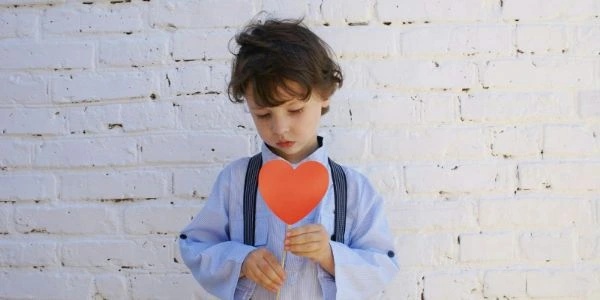
When choosing shoes for children who are overweight, comfort, the right size and enough room for the foot are important. A higher body weight can increase the load on the feet, but...
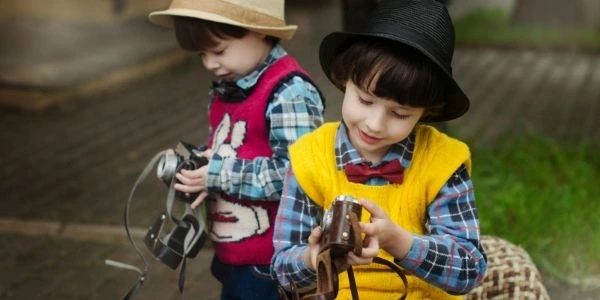
Joint hypermobility in children means that their joints have a greater range of movement than usual. It is sometimes described as having “bendy joints”. This does not necessarily m...

Walking is not the only thing that tires your feet. Long waits, queues, events, administrative errands and standing activities can leave your legs feeling heavy by evening. Your fe...

Gardening calls for different movement from a city walk: bending, squatting, small steps, uneven surfaces, turns and longer periods of standing. Shoes therefore need comfort, low w...