
Barefoot shoes during pregnancy: comfort, balance and safe choice
Pregnancy can change foot size and shape, cause swelling and affect balance. Barefoot shoes cannot be universally recommended or rejected for every expectant mother. Comfort, stabi...
We use cookies to make browsing our website comfortable and, through analysis, continuously improve its features, performance and usability. More information

Pregnancy can change foot size and shape, cause swelling and affect balance. Barefoot shoes cannot be universally recommended or rejected for every expectant mother. Comfort, stabi...

There is no single timetable for changing to barefoot shoes. Your previous footwear, usual activity, health and the difference between the old and new pair all matter. Mild unfamil...
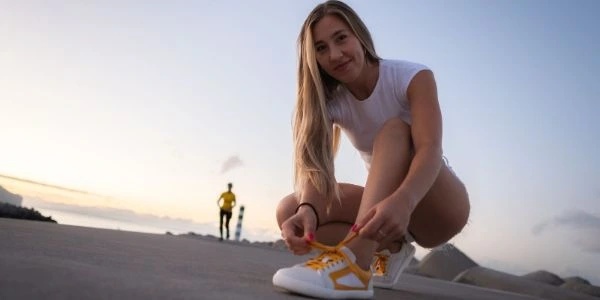
Foot exercises can help you practise toe movement, muscle control and balance. They are not, however, a universal treatment for flat feet, heel pain or bunions. The causes of sympt...
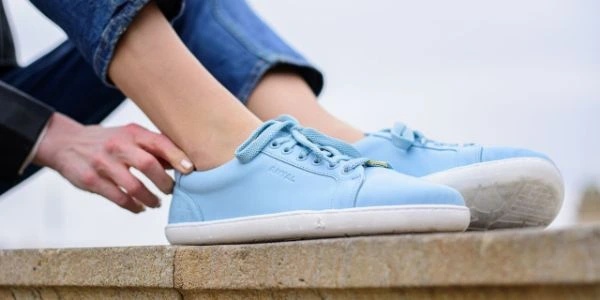
If you have foot pain or questions about your arches, the decision involves more than choosing between orthotic insoles and barefoot shoes. An orthotic is a device with a specific ...
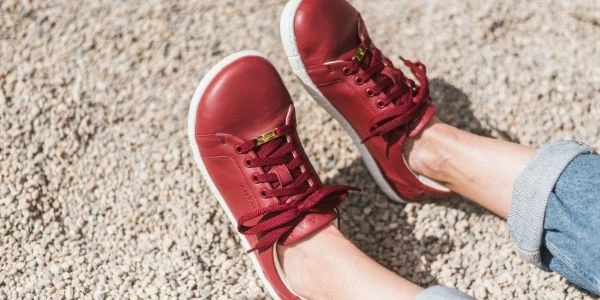
Barefoot shoes can be one option for a school-age child if the particular style fits well and suits the activity and the school's rules. The label “barefoot” alone does not guarant...
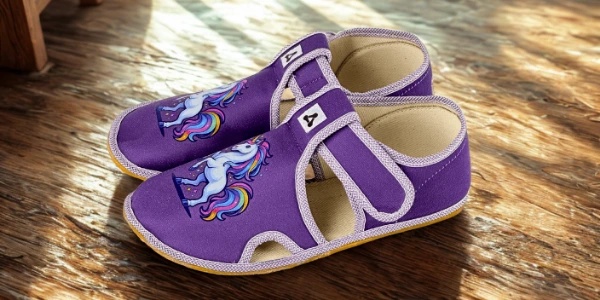
Measuring at home can help you choose a shoe size, but the measurements alone cannot guarantee that a particular style will fit. You need paper, a ruler, a pencil and a calm child....
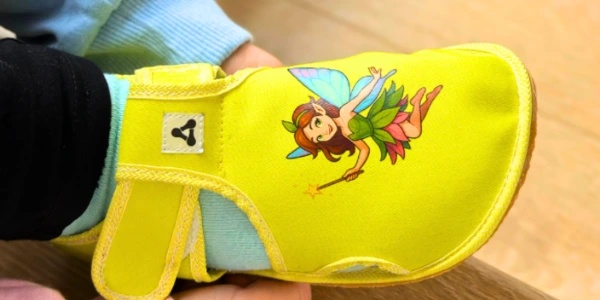
What to check with the nursery Before buying indoor shoes for nursery, ask about the requirements of that particular setting. The rooms, activities and what your child can manage ...
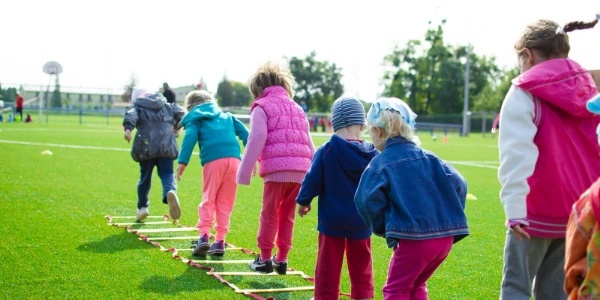
In classrooms and corridors, children need comfortable indoor shoes for school that fit and meet the school's rules. For PE, choose footwear designed for the sport and surface, fol...
Low arches are common in young children, and their appearance changes as children grow. What matters is whether a child can walk and play without pain or limitations. According to ...
First shoes should primarily protect the feet and fit comfortably. Low arches are common in young children, and their appearance changes as children grow. According to AAOS, some c...
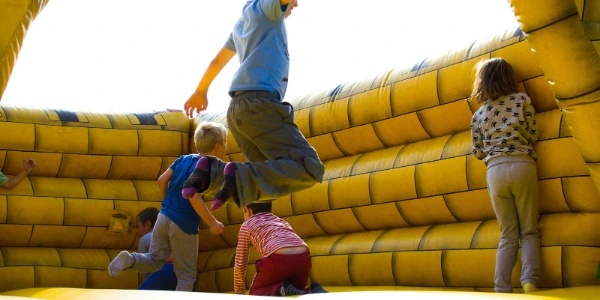
Trainers for PE should suit what children are doing and the surface they exercise on. Running, jumping and changing direction call for a suitable sole, a secure fit and comfort. Be...
Children's feet may sweat more in hot weather, during activity or after long periods in closed shoes. Moisture and odour are nothing to be ashamed of, and neither is a diagnosis in...
When a child walks on tiptoes, their heels do not touch the floor or make very little contact with it. Brief episodes occur particularly when children are learning to walk. Notice ...
Heel valgus and knock knees are not the same thing. With a valgus heel, the heel tilts outwards from the line of the lower leg when viewed from behind. This may occur with a lower ...
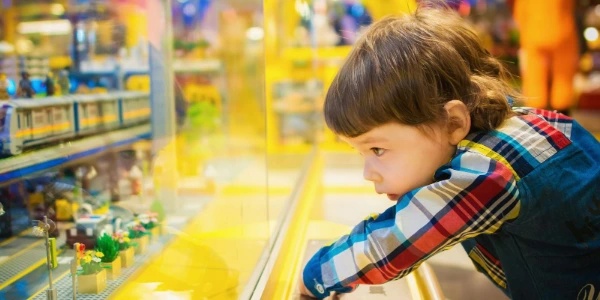
Looking at their child’s feet, parents may notice ankles leaning inwards or more weight being placed along the outer edge of the foot. Appearance alone does not establish a diagnos...
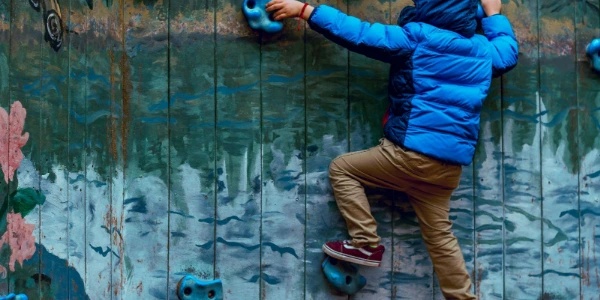
An occasional trip is part of learning to walk, run and negotiate obstacles. As children grow, they adapt their movements to changing body proportions and more demanding tasks. Foo...
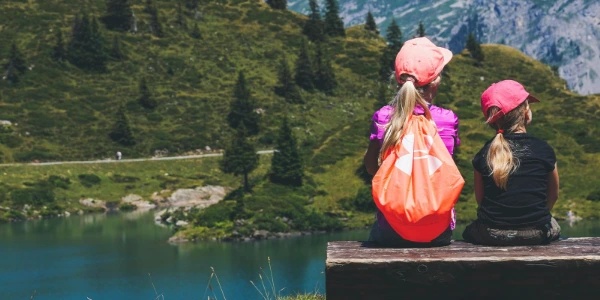
Sever’s disease, also called calcaneal apophysitis, is a common cause of heel pain in growing children. It involves irritation of the growing area of the heel bone from repeated lo...
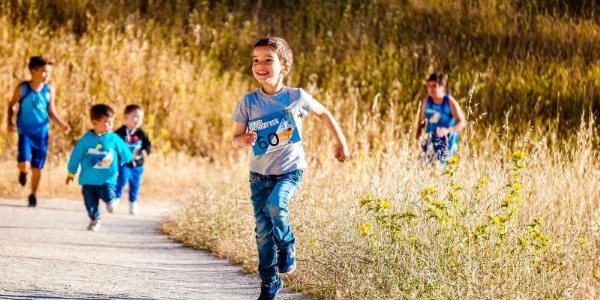
When choosing children’s sandals for summer, check toe room, how securely they hold the foot and comfort during movement. Try the sandals on both feet rather than relying only on t...
Children’s rain boots, often called wellies, are useful for rain, puddles and mud. Whether they are suitable depends on the particular model, its size and the activity you have pla...
Children switch between walking, running and exploring when they are out on a trail. Their hiking shoes need, above all, to fit well and suit the route. A lighter shoe may work on ...